


Free
Swagger
Swagger is a set of tools for designing, documenting, testing, and mocking RESTful APIs using the OpenAPI Specification, widely used by developers and teams to streamline API development.
Every AI tool we track, with pricing, platform and category on each entry. Filter down to a shortlist, then open the ones worth a closer look.
Filter 8,929 AI tools by pricing, category, platform and language.
Swagger is a set of tools for designing, documenting, testing, and mocking RESTful APIs using the OpenAPI Specification, widely used by developers and teams to streamline API development.

Hubdoc is a cloud-based platform that automates the collection, extraction, and organization of financial documents to streamline bookkeeping and accounting workflows.

Botkeeper is an AI accounting solution purpose-built for accounting firms that automates the most manual and time-consuming bookkeeping work.
Betterment is a robo-advisor platform that automates investment management and financial planning using algorithms to build diversified portfolios tailored to your goals and risk tolerance.
Comet offers Opik, a GenAI observability and evaluation platform, and MLOps tools for experiment tracking, dataset management, model versioning and model production monitoring.

Mode Analytics is a collaborative business intelligence platform that enables data analysts and teams to query, analyze, and visualize data using SQL, Python, and R, with features for sharing and automating reports.
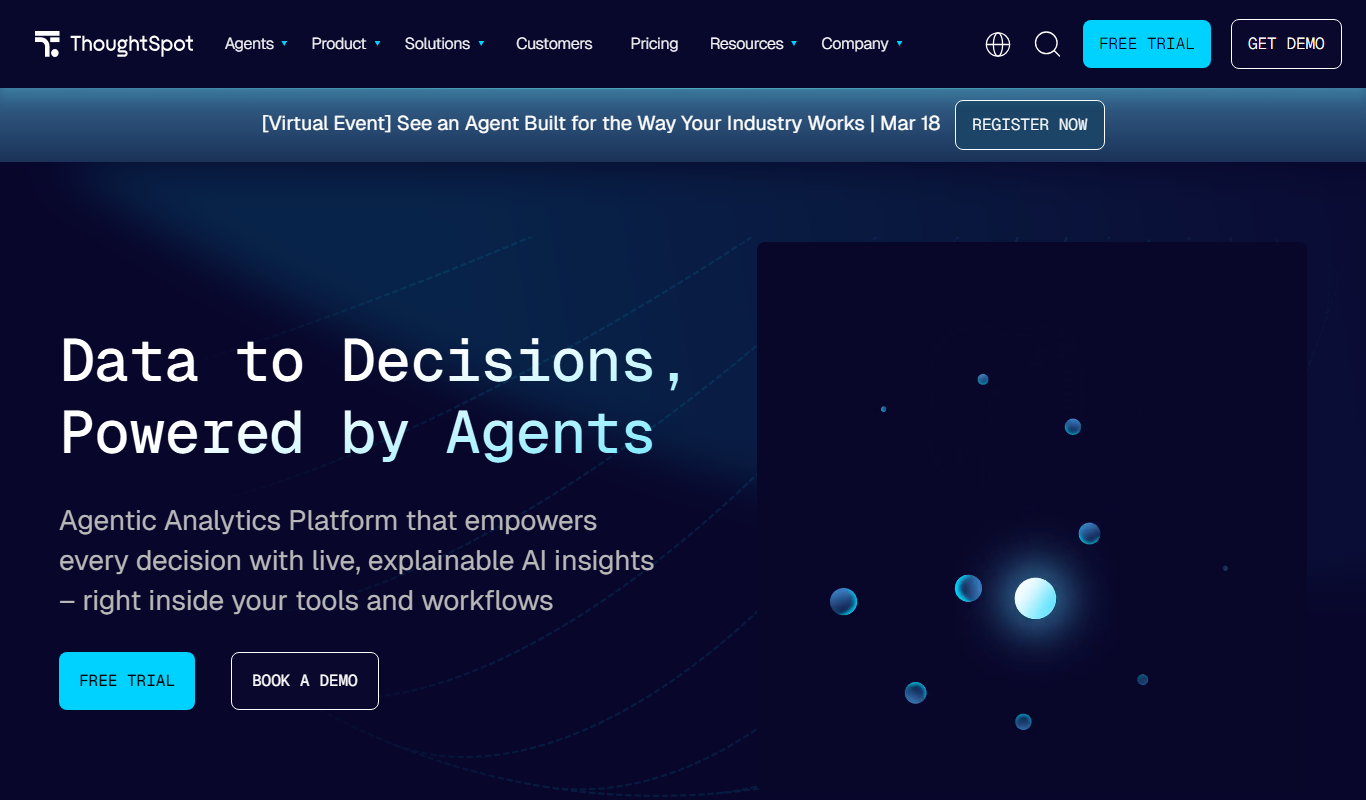
ThoughtSpot is an AI-powered analytics platform that allows users to perform natural language searches on data to generate instant business insights and interactive dashboards without needing technical skills.

Lambda is a GPU cloud platform on lambda.ai that provides NVIDIA GPU infrastructure for machine learning and deep learning, priced per GPU hour.
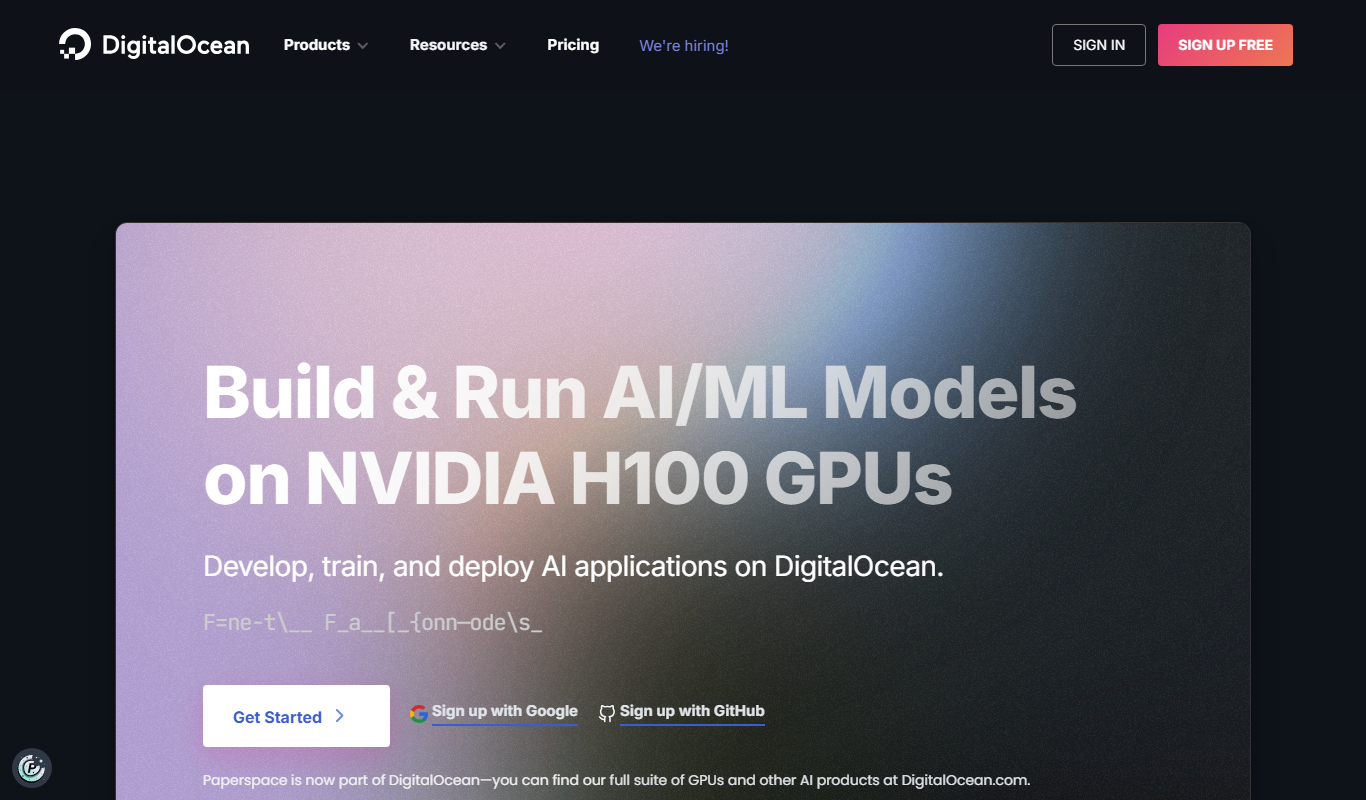
Paperspace is a cloud platform providing scalable GPU-powered virtual machines and tools for AI, machine learning, and data science workloads, enabling remote access to high-performance computing resources.
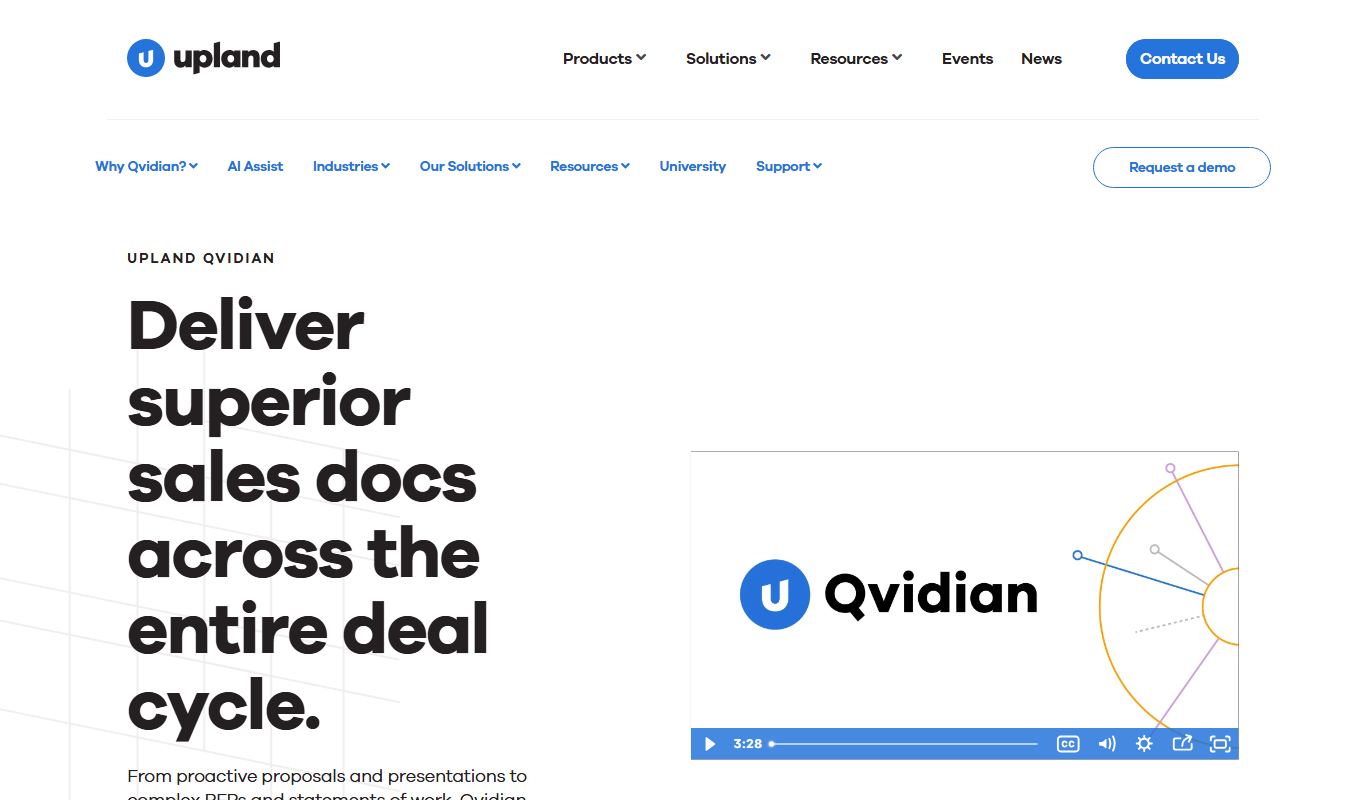
Qvidian is a cloud-based proposal automation software that helps sales and proposal teams create, manage, and deliver proposals and RFP responses efficiently by centralizing content and automating workflows.

Loopio is a cloud platform that automates and streamlines RFP responses by providing a centralized content library, AI-powered answer suggestions, and collaborative workflows to improve proposal quality and speed.

Heap Analytics is a platform that automatically captures and analyzes user interactions on websites and apps, enabling businesses to understand user behavior and optimize product and marketing strategies without manual event tagging.
Page 130 of 474
Ten tools per shortlist, ranked, for when a category is still too many results.
Still deciding
Pricing, supported platforms and what each one is actually good at, laid out in one table. 764 comparisons are written and ready.
Browse comparisonsComparable tools for the products people already use.
Every one of the 8,929 entries here carries the same fields: what the tool does, what it costs, which platforms it runs on, and which categories it belongs to. That is what makes filtering across the whole catalogue possible rather than decorative.
The catalogue is not the point on its own; competitors list the same tools. What is worth your time is what sits on top of it: comparisons that commit to a recommendation, alternative sets that are genuinely comparable, and entries that get corrected when a vendor changes its pricing.
Start from a category rather than the full list: the category index above jumps straight into the twelve largest ones. From there, use the pricing shortcuts to drop anything outside your budget, then open the three or four entries that look closest and compare them side by side.
Free means there is a usable tier at no cost with no time limit. Freemium means a free tier exists but the useful features sit behind a paid plan. Free trial means paid-only after a fixed evaluation window. Subscription means recurring billing with no free tier. Labels come from the vendor and are re-checked when a listing is updated.
Yes. Category, pricing, tech stack, language and platform stack together, and every combination has its own URL, so a filtered view can be bookmarked or shared. Active filters appear above the results and can be removed one at a time.
Around 8% of entries have no captured screenshot, usually because the tool sits behind a login or the site blocks automated capture. Those entries show the tool's initial instead. It is not a signal about the tool's quality.
Newest first, so the front of the directory reflects what has recently shipped. Switch the sort to Top Rated for the highest-scoring entries, or Most Popular to order by real visitor interest across views and outbound clicks.
An alternatives page answers "what else does this job?" and lists comparable tools for one product. A comparison page takes two named tools and works through pricing, capability and fit to reach a recommendation. Both are linked from every tool entry.