

Loopio RFP Response Software for Efficient Proposal Management
Loopio is a cloud platform that automates and streamlines RFP responses by providing a centralized content library, AI-powered answer suggestions, and collaborative workflows to improve proposal quality and speed.
- Best for
- Request for Proposal (RFP) Response
- Key capability
- Content Library
Save Loopio, follow its updates and vote on it — everything stays in your account.
Sign in or create a free account
What is Loopio?
Loopio is a cloud-based RFP response software designed to help organizations automate and streamline the process of responding to requests for proposals, information, and security questionnaires. It centralizes content management, facilitates team collaboration, and reduces manual effort to improve proposal quality and speed.
Key features of Loopio
Loopio offers a content library for storing reusable answers, automated response mapping, collaborative workflows with task assignments, integration capabilities, and analytics to track proposal progress and team performance.
Content Library
Centralized repository of approved answers and content for quick reuse.
Automated Response Mapping
AI-powered suggestions match questions to relevant answers to speed up response time.
Collaborative Workflow
Task assignments, notifications, and version control to streamline teamwork.
Integration Support
Connects with CRM and other business tools to enhance data flow.
Analytics and Reporting
Track proposal progress, team productivity, and identify bottlenecks.
Pros and cons of Loopio
Pros
- Centralizes and organizes proposal content efficiently
- Automates answer suggestions to save time
- Facilitates team collaboration with clear workflows
- Supports integrations with other business tools
- Provides analytics to improve proposal processes
Cons
- Pricing is not transparent and requires contacting sales
- Primarily designed for medium to large enterprises
- Limited language support focused on English
Key use cases for Loopio
Request for Proposal (RFP) Response
Streamline and automate the process of responding to RFPs by organizing content and collaborating efficiently.
Request for Information (RFI) Management
Manage and respond to RFIs with centralized content and workflow automation.
Security Questionnaires
Simplify the completion of security questionnaires by reusing verified answers from a content library.
Proposal Collaboration
Enable teams to collaborate seamlessly on proposal documents with task assignments and version control.
Content Library Management
Maintain a centralized, searchable repository of approved responses and content for reuse across projects.
How Loopio works
- 1
Import RFP Documents
Upload RFP, RFI, or security questionnaire documents into Loopio to start the response process.
- 2
Automated Answer Suggestions
Loopio automatically suggests relevant answers from the content library based on the questions.
- 3
Collaborate with Team
Assign tasks to team members, track progress, and collaborate within the platform.
- 4
Review and Finalize
Review the compiled responses, make edits, and finalize the proposal for submission.
Who is using Loopio
Loopio pricing
Custom Pricing
Contact for pricing
Pricing tailored based on company size and feature needs.
Plans and prices are as published by the vendor and can change. Check the official site before you buy. Open the pricing page (opens in a new tab)
Frequently asked questions about Loopio
Yes, Loopio integrates with popular CRM platforms to streamline data management.
Yes, Loopio supports collaborative workflows with task assignments and version control.
Loopio offers demos and may provide trial options upon request; contact sales for details.
This tool is designed to help users accomplish its core tasks more efficiently. It is typically used by individuals or teams looking to improve productivity and workflow.
Yes, it can help with that use case depending on how you configure it and what features are available. You’ll get the best results with clear inputs and a defined goal.
Integration support depends on the tool and its available connectors or API. Check the official documentation or integrations page to confirm what is supported.
Conclusion
Requests for proposals, requests for information and security questionnaires all go through the same process in Loopio: the documents are uploaded, and the software suggests relevant answers from a content library based on the questions. That library is a centralized repository of approved answers and content for quick reuse, and the matching of questions to answers is AI-powered to speed up response time. For security questionnaires, the aim is to simplify completion by reusing verified answers from that content library.
Teamwork happens inside the platform: team members are assigned tasks, progress is tracked, and task notifications and version control help streamline collaboration until the compiled responses are reviewed and finalized for submission. Analytics track proposal progress and team productivity and help identify bottlenecks, while integrations connect Loopio with CRM platforms and other business tools. Proposal managers, sales teams and business development professionals are the roles it is designed around, along with enterprise organizations that face complex procurement processes.
Buying it involves sales: pricing is custom, tailored to company size and feature needs, and it is not transparent. Demos are offered, and trial options may be provided upon request. The page also notes that it is primarily designed for medium to large enterprises.
Sources
Sign in to review this tool.
Sign In to ReviewNo reviews yet
Be the first to share how this tool worked for you.
Ask about pricing, limits, or how it compares — or answer someone else.
Sign In to AskNo questions yet
Have a question about using or paying for this tool? Be the first to ask.
Featured on TiorAI



Alternative Tools
Explore similar AI tools that might fit your needs
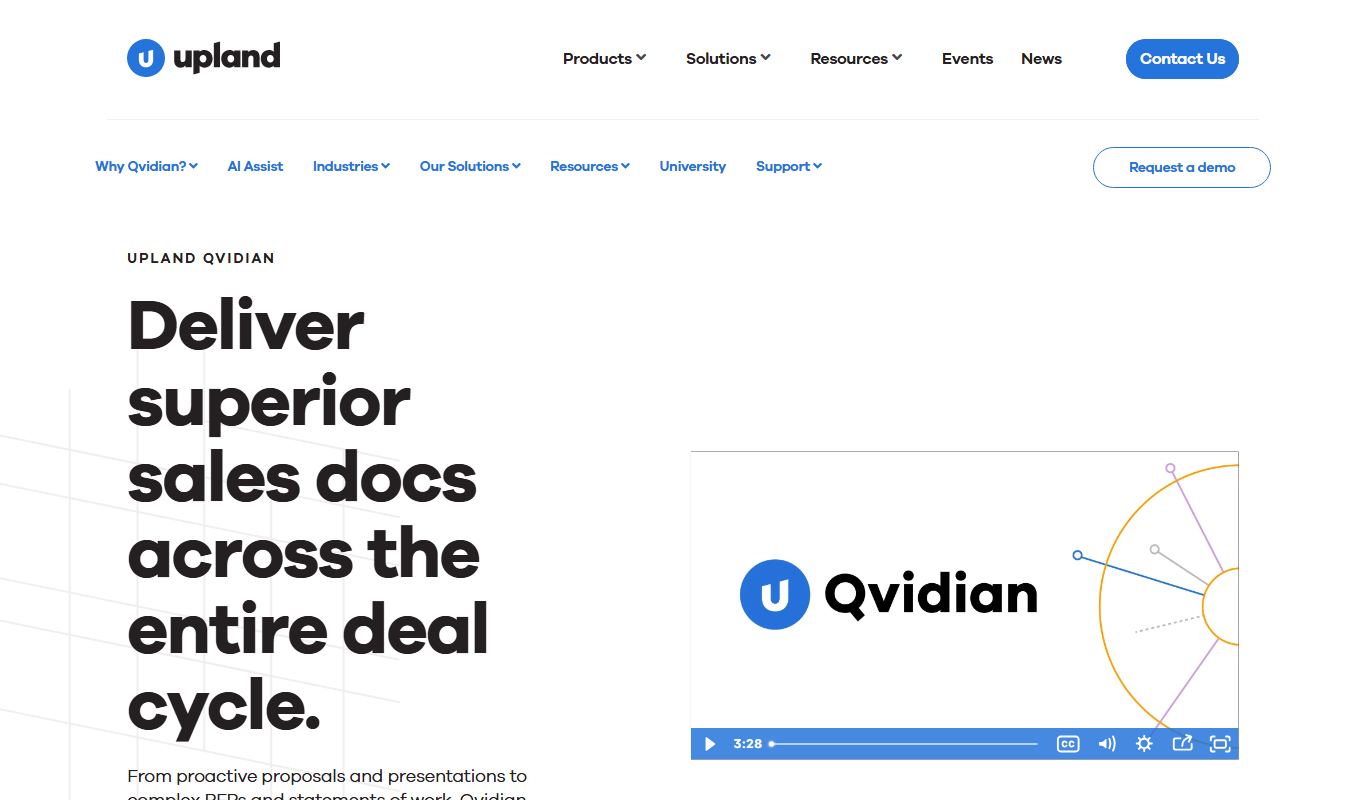
Qvidian
Qvidian is a cloud-based proposal automation software that helps sales and proposal teams create, manage, and deliver proposals and RFP responses efficiently by centralizing content and automating workflows.
More AI CRM tools
Other tools in the same category, for when this one is not quite the fit.

Nimble CRM
Nimble CRM is an AI-powered customer relationship management platform that helps small businesses manage contacts, sales pipelines, and social media engagement in one unified system.

Copper
Copper is a CRM software designed to help businesses manage sales pipelines and customer relationships with deep Google Workspace integration and automation features.

Gem
Gem is an AI-driven recruiting platform that helps talent acquisition teams automate candidate sourcing, manage pipelines, and engage candidates with personalized outreach.
Re:amaze
Re:amaze is a cloud-based customer support and helpdesk platform that unifies messaging channels and uses AI chatbots to automate customer service for businesses, especially in e-commerce.

Sellbrite
Sellbrite is a cloud-based ecommerce platform that centralizes inventory, order, and listing management across multiple online marketplaces, helping sellers avoid overselling and streamline fulfillment.
WideOrbit
WideOrbit is a broadcast software platform that streamlines media sales, advertising inventory management, campaign planning, and billing for TV, radio, and digital broadcasters.

Litify
Litify is a cloud-based legal CRM and case management platform built on Salesforce, designed to help law firms automate client intake, manage cases, and streamline workflows.
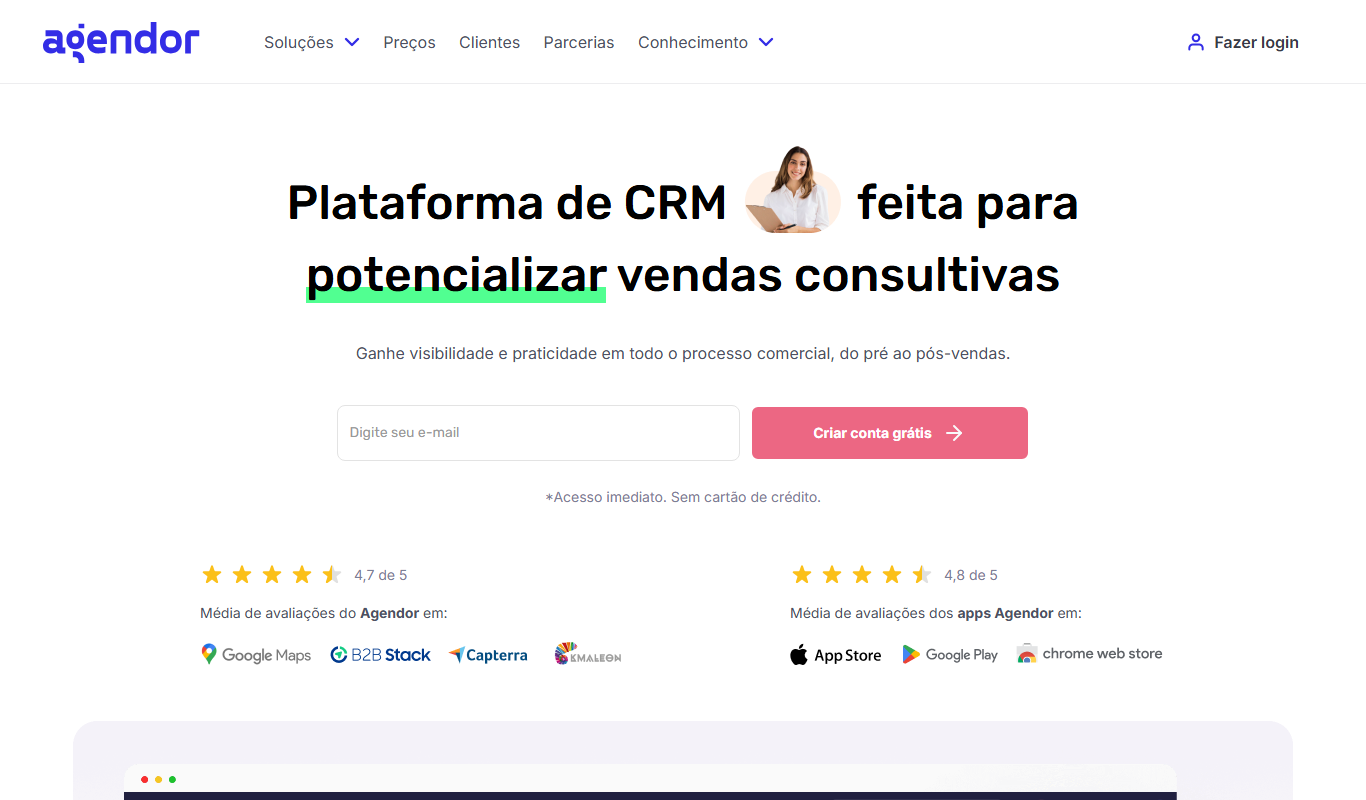
Agendor CRM
Agendor CRM is a cloud-based platform that helps sales teams manage their sales pipeline, customer relationships, and team collaboration with customizable features and mobile access.