What Is Voice Cloning?
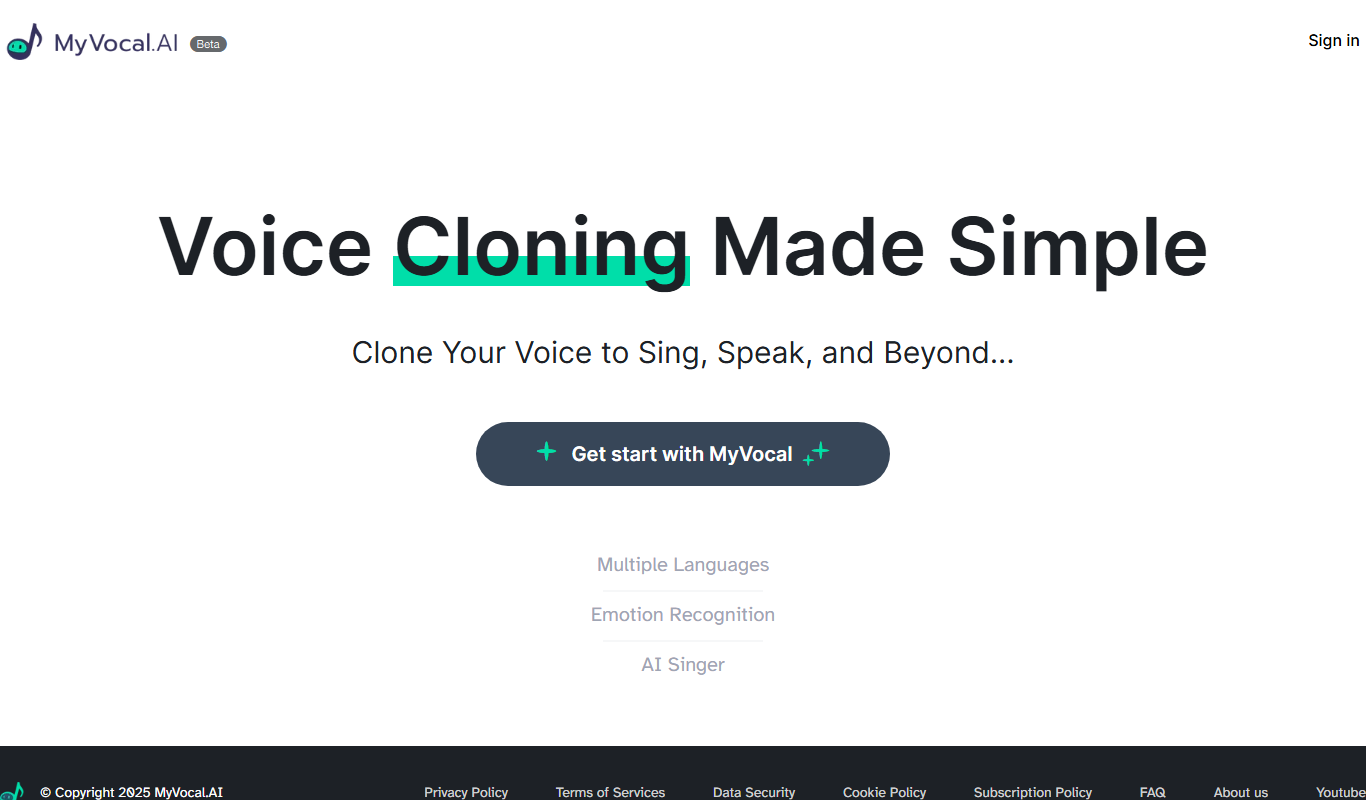
Voice cloning involves capturing the unique characteristics of an individual’s voice, such as tone, pitch, and speaking style, and reproducing it through computer-generated speech. This is achieved by training AI models on recorded voice samples, allowing the system to mimic the speaker’s vocal traits accurately. The technology enables the generation of new speech content that sounds like the original speaker without them physically recording it each time.
Why Is Voice Cloning Important?
Voice cloning opens up new possibilities in content creation, customer service, and accessibility by enabling personalized and scalable voice applications. It enhances user experiences by allowing brands to maintain consistent voice identities and helps individuals with speech impairments communicate more naturally.
- Enables personalized voice assistants and interactive experiences.
- Supports content creators with voiceovers without constant recording.
- Improves accessibility for users with speech disabilities.
Key Characteristics of Voice Cloning
- Naturalness: Produces speech that sounds human-like and expressive.
- Speaker Similarity: Accurately replicates unique voice qualities and intonations.
- Adaptability: Can generate speech in various contexts and styles from limited data.
How Voice Cloning Works (Step-by-Step)
- Collect voice recordings from the target speaker to capture vocal traits.
- Train a machine learning model on these samples to learn voice patterns.
- Use the trained model to synthesize new speech that mimics the original voice.
Real-World Examples of Voice Cloning
- Personalized Virtual Assistants: Brands use cloned voices to create distinctive, recognizable digital assistants.
- Media and Entertainment: Voice cloning helps actors generate dialogue for animations or dubbing without re-recording.
Voice Cloning in SEO, Marketing, or Business Context
In marketing, voice cloning can deliver consistent brand messaging through audio ads and customer interactions, boosting engagement. SEO benefits arise when voice search optimization aligns with branded voice experiences, making digital content more accessible and memorable. Businesses use voice cloning to scale customer support solutions while maintaining a human touch.
Common Mistakes or Misunderstandings About Voice Cloning
- Assuming voice cloning can perfectly replicate emotional nuances without further refinement.
- Underestimating ethical considerations and the need for consent when cloning voices.
Related Terms
- Speech Synthesis
- Artificial Intelligence (AI)
- Text-to-Speech (TTS)
FAQs About Voice Cloning
Voice cloning replicates a specific person’s voice, while traditional text-to-speech uses generic synthetic voices.
Modern techniques can create quality clones from just a few minutes of high-quality recordings.
Summary
Voice cloning is a powerful AI-driven technology that recreates a person’s voice digitally, offering versatile applications across marketing, content creation, and accessibility. By understanding its workings and ethical implications, businesses and creators can harness voice cloning to deliver personalized, engaging, and scalable audio experiences.