What Is Voice Synthesis?
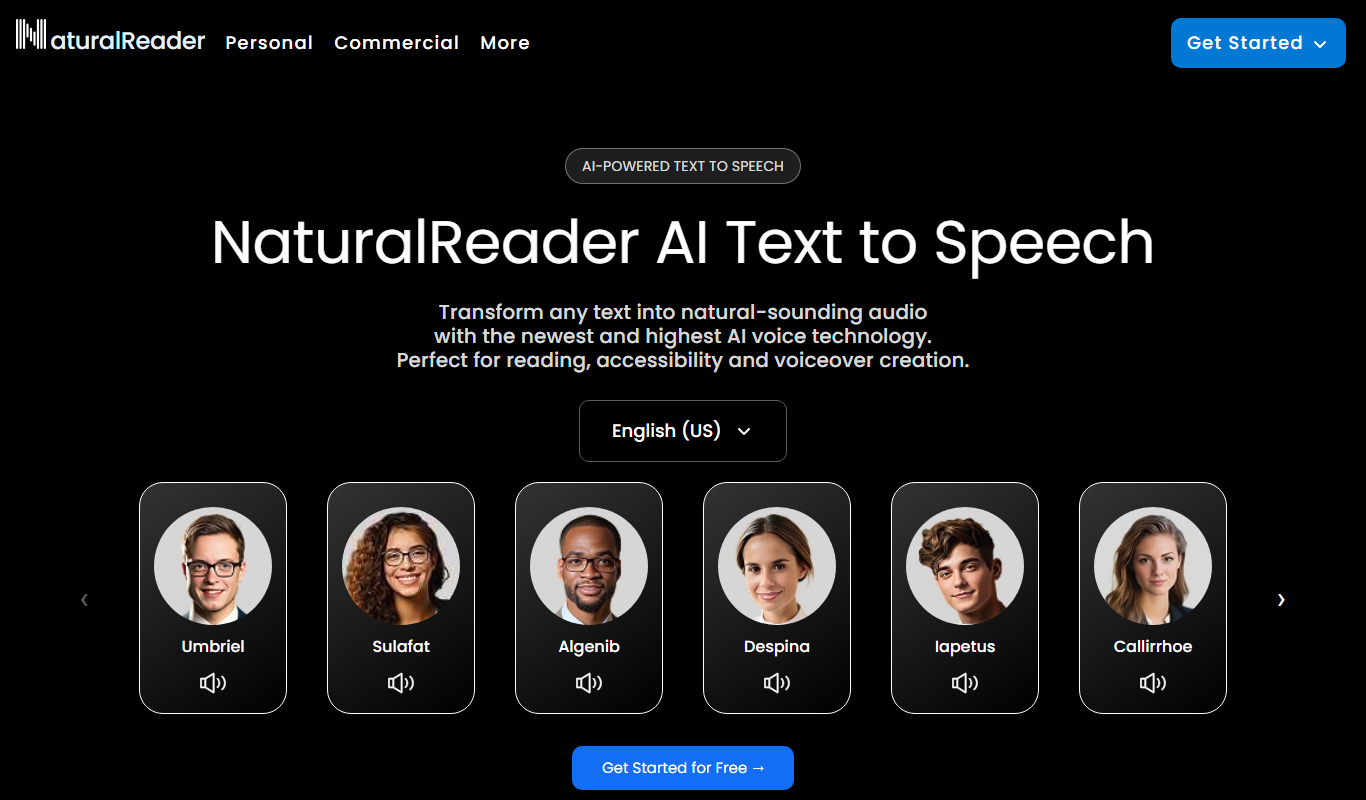
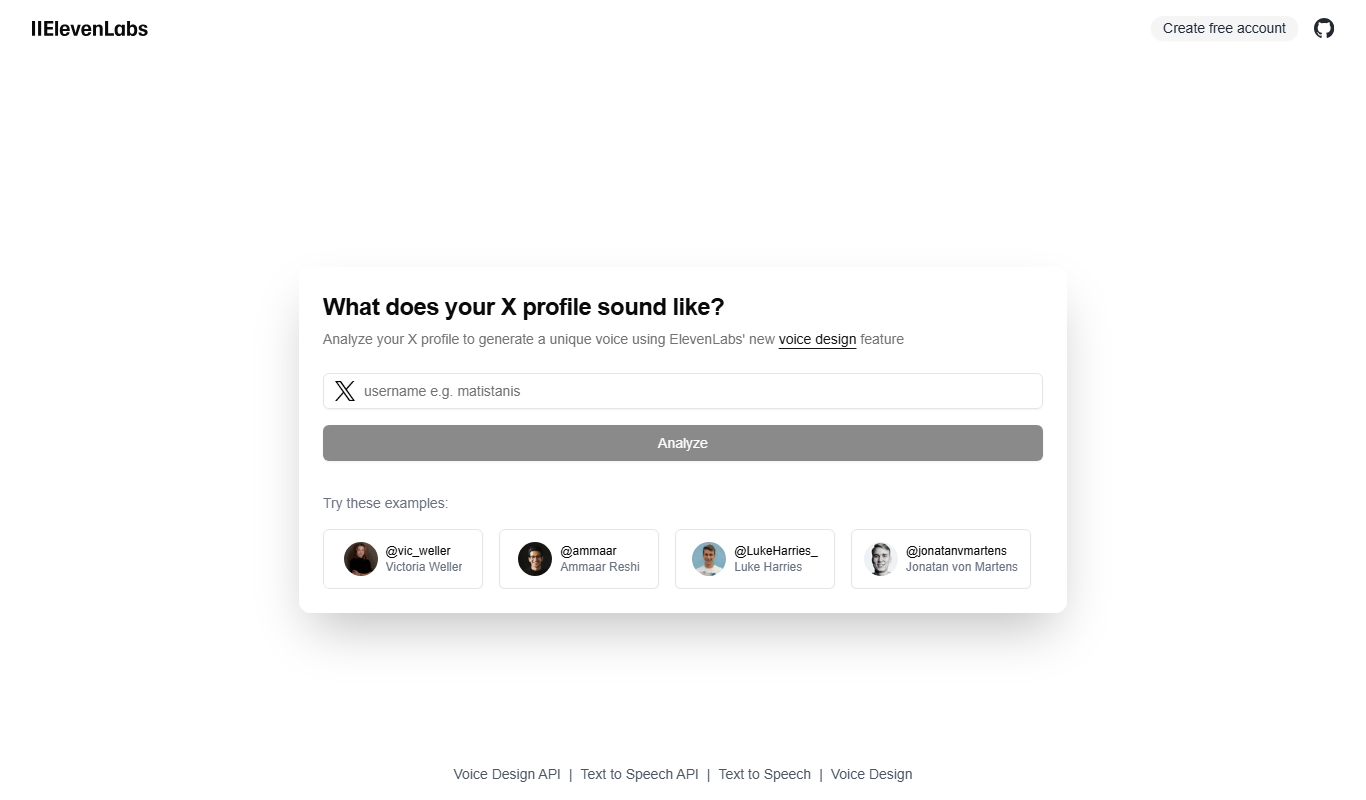
Voice synthesis, often called text-to-speech (TTS), is the process where computers or devices convert written text or other forms of input into spoken voice output. It uses algorithms and artificial intelligence to mimic human speech patterns, intonation, and rhythm, making the output sound natural and understandable. This technology is widely used in virtual assistants, audiobooks, accessibility tools, and customer service bots to enhance user interaction through voice.
Why Is Voice Synthesis Important?
Voice synthesis bridges the gap between digital content and human communication by enabling machines to talk like people. It improves accessibility for individuals with visual impairments or reading difficulties, supports hands-free device interaction, and enhances user engagement. Additionally, it opens new opportunities for businesses to personalize customer experiences and automate communication in a cost-effective way.
- Enhances accessibility for diverse audiences, including those with disabilities.
- Enables hands-free interaction with technology, improving convenience and safety.
- Supports scalable customer engagement through automated voice responses.
Key Characteristics of Voice Synthesis
- Naturalness: Modern voice synthesis strives to produce speech that sounds fluid and human-like, avoiding robotic tones.
- Customization: Voices can be customized by accent, gender, pitch, and speed to fit specific use cases or brand identity.
- Real-time Processing: Many systems generate speech instantly from text input, enabling live interactions and responses.
How Voice Synthesis Works (Step-by-Step)
- Text input or data is fed into the voice synthesis system.
- The system analyzes the text for pronunciation, punctuation, and context to determine speech patterns.
- The processed information is converted into audio signals that replicate human voice, which is then played back to the user.
Real-World Examples of Voice Synthesis
- Virtual Assistants: Devices like Siri, Alexa, and Google Assistant use voice synthesis to communicate responses naturally.
- Accessibility Tools: Screen readers convert digital text into speech to aid visually impaired users in navigating websites and documents.
Voice Synthesis in SEO, Marketing, or Business Context
Voice synthesis plays a vital role in digital marketing and business by enabling brands to connect with customers through audio content, such as podcasts, voice ads, and interactive voice response systems. It enhances user experience on websites by providing spoken content options, which can improve engagement metrics and accessibility compliance. Furthermore, integrating voice synthesis into chatbots and customer support platforms streamlines communication and reduces operational costs.
Common Mistakes or Misunderstandings About Voice Synthesis
- Assuming all voice synthesis sounds robotic; modern TTS can be highly natural and expressive.
- Overlooking the importance of context and prosody, which affects how natural the synthesized voice sounds.
Related Terms
- Text-to-Speech (TTS)
- Speech Recognition
- Natural Language Processing (NLP)
FAQs About Voice Synthesis
Smartphones, smart speakers, computers, and assistive technologies commonly use voice synthesis to provide spoken output.
It converts written content into speech, helping people with visual impairments or reading difficulties access information easily.
Summary
Voice synthesis transforms text into clear, natural-sounding speech, making technology more accessible and interactive. Its applications range from virtual assistants to accessibility tools, offering businesses and users a powerful way to communicate using voice. Understanding its key features and capabilities helps marketers and developers leverage this technology effectively in digital experiences.