What Is Speech Synthesis?
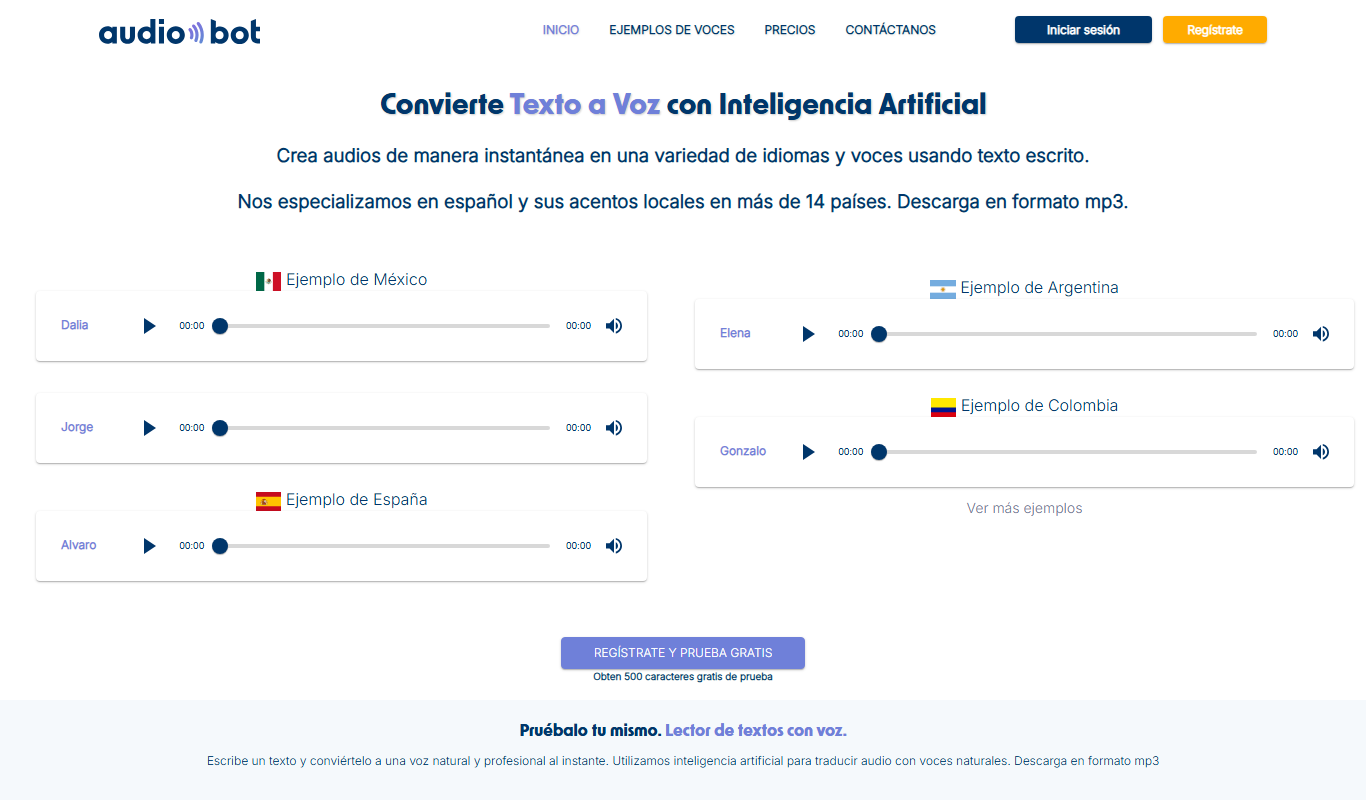
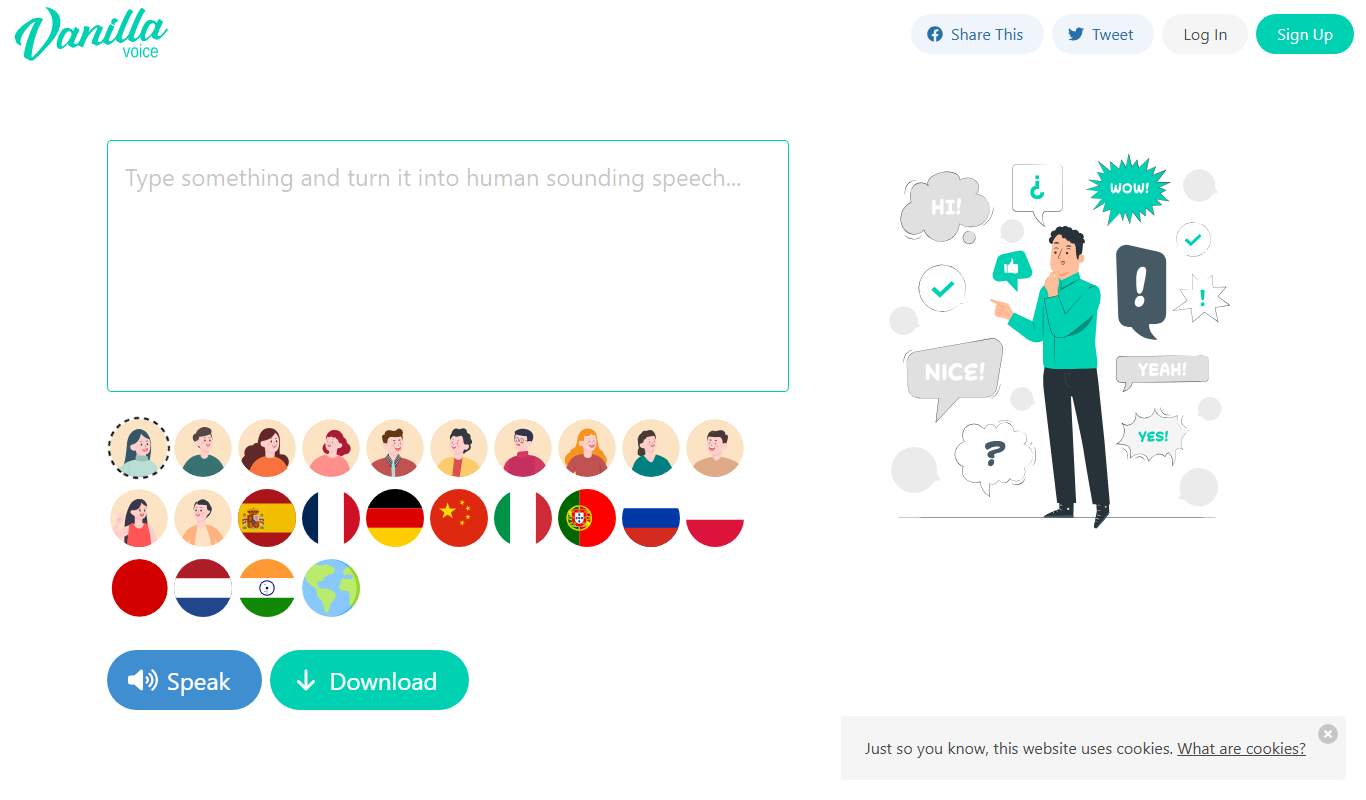
Speech Synthesis is a technology that converts written text into spoken words. It is achieved through various computational methods that mimic the human voice, enabling machines to “speak” to users. This technology is used in a variety of applications, from virtual assistants like Siri and Alexa to accessibility tools for those with visual impairments. By analyzing text and generating audio output, speech synthesis helps bridge the communication gap between humans and machines.
Why Is Speech Synthesis Important?
Speech synthesis plays a crucial role in enhancing user interaction with digital devices and services. It offers a more natural way for users to receive information and can significantly improve accessibility for individuals with disabilities.
- Enhances user interaction by providing auditory feedback.
- Improves accessibility for visually impaired individuals.
- Facilitates hands-free operation of devices.
Key Characteristics of Speech Synthesis
- Naturalness: The ability to produce speech that sounds human-like.
- Intelligibility: Ensuring the spoken output is understandable to listeners.
- Customization: Allowing for variations in voice, tone, and language to suit different applications.
How Speech Synthesis Works (Step-by-Step)
- Text Analysis: The system analyzes and converts text into a phonetic representation.
- Prosody Generation: It applies rhythm, stress, and intonation to enhance naturalness.
- Audio Output: The system synthesizes the processed text into audible speech.
Real-World Examples of Speech Synthesis
- Virtual Assistants: Devices like Amazon Echo use speech synthesis to communicate with users.
- Accessibility Tools: Screen readers for the visually impaired rely on speech synthesis to read text aloud.
Speech Synthesis in SEO, Marketing, or Business Context
In the realm of SEO and digital marketing, speech synthesis can enhance user engagement by providing audio content, making information accessible to a broader audience. Businesses can use it to deliver personalized customer service and improve user experience on websites and applications.
Common Mistakes or Misunderstandings About Speech Synthesis
- Assuming all synthesized speech sounds robotic and unnatural.
- Believing that speech synthesis cannot be customized for different languages or dialects.
Related Terms
- Text-to-Speech (TTS)
- Voice Recognition
- Natural Language Processing (NLP)
FAQs About Speech Synthesis
Speech synthesis generates spoken language from text, while voice recognition converts spoken words into text.
It can be used to create audiobooks and learning tools, making education more accessible to those with reading difficulties.
Summary
Speech synthesis is a transformative technology that converts text into spoken words, enhancing communication between humans and machines. It plays a vital role in accessibility, user interaction, and various applications across industries. As the technology evolves, its ability to produce natural and intelligible speech continues to improve, opening new opportunities for engagement and accessibility.