

Minikube Kubernetes Local Cluster Tool for Developers and DevOps
Minikube is a free, open-source tool that runs a local single-node Kubernetes cluster on your computer, ideal for developers and DevOps to build and test containerized applications.
- Best for
- Local Kubernetes Cluster Setup
- Key capability
- Multi-Platform Support
Save Minikube, follow its updates and vote on it — everything stays in your account.
Sign in or create a free account
What is Minikube?
Minikube is an open-source tool that enables users to run a lightweight, single-node Kubernetes cluster locally on their personal computers. It is designed primarily for developers and DevOps engineers to build, test, and experiment with Kubernetes applications without needing access to a full-scale cloud cluster. Minikube supports multiple virtualization and container runtimes, providing a flexible environment to simulate production Kubernetes clusters on Windows, macOS, and Linux.
Key features of Minikube
Minikube offers easy installation of a local Kubernetes cluster, support for multiple container runtimes, a dashboard UI for cluster management, add-on enablement for extended functionality, and compatibility with standard Kubernetes tools like kubectl. It simplifies Kubernetes learning and development workflows by providing a consistent local environment.
Multi-Platform Support
Runs on Windows, macOS, and Linux with support for various virtualization technologies like VirtualBox, Hyper-V, and Docker.
Lightweight Single-Node Cluster
Provides a minimal Kubernetes environment ideal for development and testing without the overhead of multi-node clusters.
Kubernetes Dashboard
Includes an optional web-based UI dashboard for visual cluster management and monitoring.
Add-ons Support
Enables additional Kubernetes features such as metrics-server, ingress controllers, and storage provisioners.
Compatibility with kubectl
Fully compatible with Kubernetes command-line tools, allowing seamless transition to production clusters.
Pros and cons of Minikube
Pros
- Easy to set up and use for local Kubernetes development
- Supports multiple virtualization and container runtimes
- Open-source and free with active community support
- Includes Kubernetes dashboard for easier cluster management
- Compatible with standard Kubernetes tools and workflows
Cons
- Limited to single-node clusters by default
- Not suitable for production workloads
- Resource usage depends on host machine capabilities
Key use cases for Minikube
Local Kubernetes Cluster Setup
Minikube allows developers to run a single-node Kubernetes cluster locally on their personal computers for testing and development purposes.
Application Development and Testing
Developers can deploy containerized applications on Minikube to simulate production Kubernetes environments and test application behavior.
Learning Kubernetes Concepts
Minikube provides an accessible environment for beginners to learn Kubernetes fundamentals without needing access to a full cloud cluster.
CI/CD Pipeline Integration
Minikube can be integrated into continuous integration and deployment workflows to automate testing of Kubernetes deployments.
Add-on and Feature Experimentation
Users can enable Kubernetes add-ons and experiment with new features in a controlled local environment.
How Minikube works
- 1
Install Minikube
Download and install Minikube on your local machine using platform-specific installers or package managers.
- 2
Start a Local Cluster
Run the ‘minikube start’ command to launch a single-node Kubernetes cluster with your preferred configuration.
- 3
Deploy Applications
Use kubectl or other Kubernetes tools to deploy and manage containerized applications on the Minikube cluster.
- 4
Access Dashboard and Add-ons
Enable and access the Kubernetes dashboard and other add-ons to monitor and extend cluster functionality.
- 5
Stop or Delete Cluster
Stop the cluster when not in use or delete it to free resources using Minikube commands.
Who is using Minikube
Minikube pricing
Free
$0
Open-source and free to use with full functionality.
Plans and prices are as published by the vendor and can change. Check the official site before you buy. Open the pricing page (opens in a new tab)
Frequently asked questions about Minikube
Minikube is used to run a local Kubernetes cluster on your computer for development, testing, and learning purposes.
Minikube supports Windows, macOS, and Linux operating systems.
No, Minikube runs locally on your machine and does not require any cloud account.
Minikube primarily runs a single-node cluster, but it supports multi-node clusters with additional configuration.
It depends on your specific needs and how you plan to use the tool. The official website and documentation are the best sources for the latest details.
Yes, it can help with that use case depending on how you configure it and what features are available. You’ll get the best results with clear inputs and a defined goal.
Yes, it can help with that use case depending on how you configure it and what features are available. You’ll get the best results with clear inputs and a defined goal.
It depends on your specific needs and how you plan to use the tool. The official website and documentation are the best sources for the latest details.
Conclusion
A single ‘minikube start’ command launches a local single-node Kubernetes cluster on Windows, macOS or Linux. No cloud account is required, and it supports virtualization technologies such as VirtualBox, Hyper-V and Docker. Applications are deployed with kubectl or other Kubernetes tools, and add-ons such as metrics-server, ingress controllers and storage provisioners extend the cluster.
Its purpose is development, testing and learning, for developers building Kubernetes applications, QA teams automating environment tests and educators teaching container orchestration. The cluster can be stopped when not in use or deleted to free resources with Minikube commands. It is open source and free, and the project remains active, with release v1.39.0 published in 2026. Multi-node clusters need additional configuration, and it is not suitable for production workloads.
Sources
Sign in to review this tool.
Sign In to ReviewNo reviews yet
Be the first to share how this tool worked for you.
Ask about pricing, limits, or how it compares — or answer someone else.
Sign In to AskNo questions yet
Have a question about using or paying for this tool? Be the first to ask.
Featured on TiorAI



Alternative Tools
Explore similar AI tools that might fit your needs

K3s
K3s is a lightweight, certified Kubernetes distribution designed for resource-constrained environments like edge computing and IoT. It simplifies Kubernetes deployment with a small binary and embedded components.
More AI Developer Tools tools
Other tools in the same category, for when this one is not quite the fit.
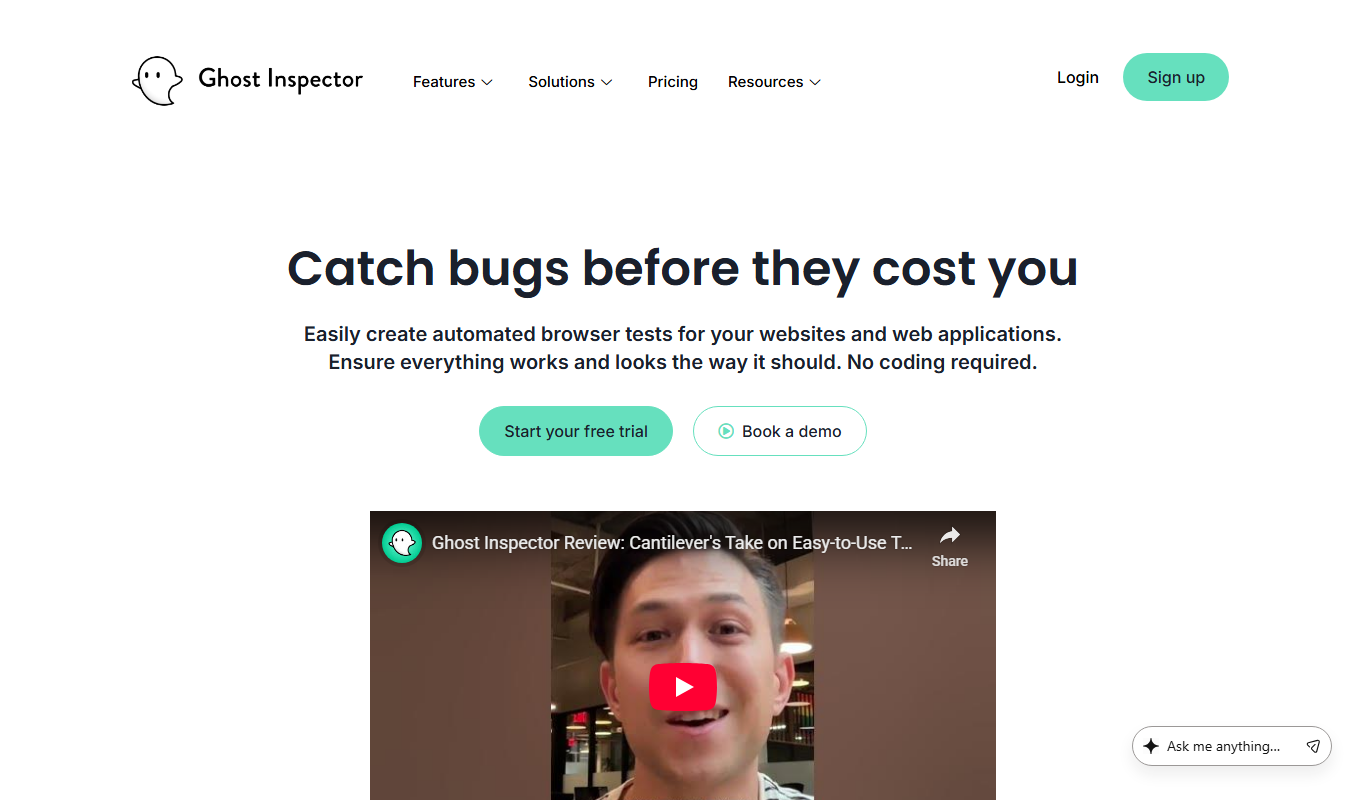
Ghost Inspector
Ghost Inspector is a cloud-based tool that automates browser testing by recording user interactions or scripting tests to ensure websites function correctly and look consistent across browsers. It integrates with CI/CD pipelines and supports scheduled monitoring.

AutoMapper
AutoMapper is a .NET library that automates mapping between different object models, helping developers reduce manual code; since version 15.x it is commercial, with a free Community edition for companies under $5M revenue.

Gradio
Gradio is an open-source tool that lets you quickly create interactive web interfaces for machine learning models using Python, enabling easy sharing and testing without front-end development.

Auth0
Auth0 is a secure identity platform that enables developers to add authentication and authorization to applications using standards like OAuth 2.0 and OpenID Connect, supporting features such as single sign-on, multi-factor authentication, and social login integration.
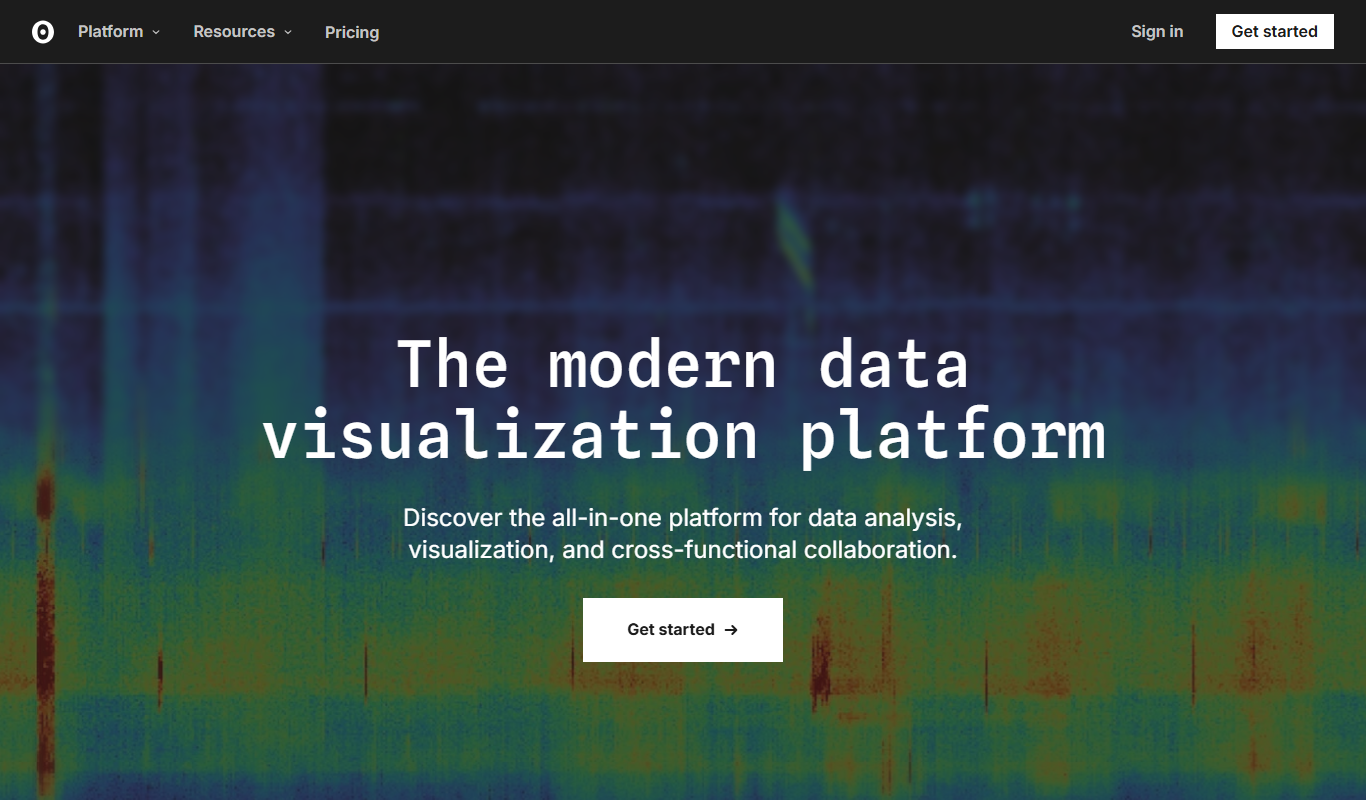
Observable
Observable is a web-based platform that enables users to create interactive JavaScript notebooks focused on data visualization and collaborative data analysis.

Swagger
Swagger is a set of tools for designing, documenting, testing, and mocking RESTful APIs using the OpenAPI Specification, widely used by developers and teams to streamline API development.

Stardog
Stardog is an enterprise knowledge graph platform that integrates diverse data sources into a semantic graph database, enabling advanced querying, reasoning, and AI integration.
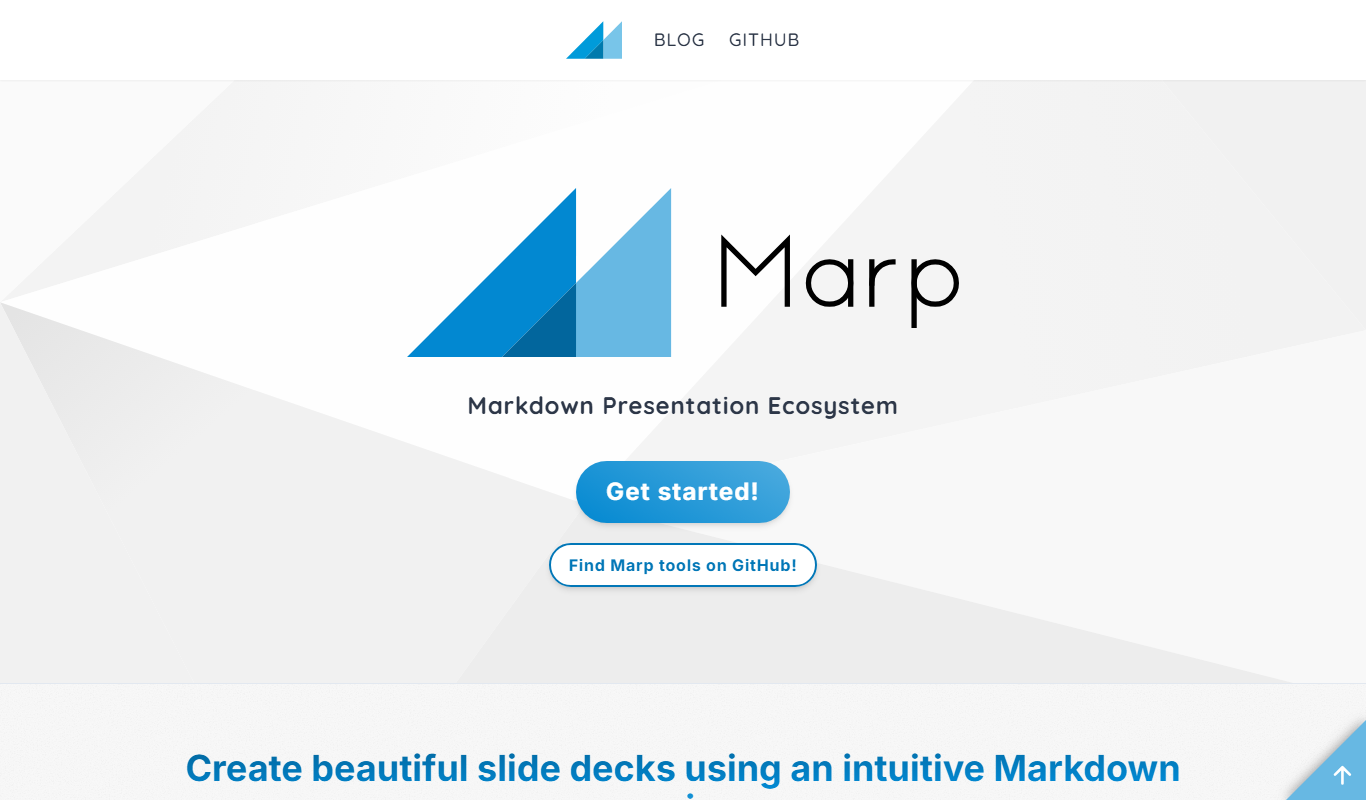
Marp
Marp is an open-source tool that converts Markdown files into presentation slides with export options including PDF and PowerPoint, featuring customizable themes and syntax highlighting.