

KYC Hub Identity Verification Platform for AML Compliance and Onboarding
KYC Hub is a fraud and compliance infrastructure platform covering onboarding, real-time monitoring, decision automation and adverse media, not only KYC and AML.
- Best for
- Customer Identity Verification
- Key capability
- Automated Identity Verification
Save KYC Hub, follow its updates and vote on it — everything stays in your account.
Sign in or create a free account
What is KYC Hub?
KYC Hub is a complete fraud and compliance infrastructure covering onboarding, real-time monitoring, decision automation and adverse media, not only KYC and AML.
Key features of KYC Hub
KYC Hub offers automated identity verification, document authentication, watchlist screening, risk scoring, and compliance reporting. Its API integration allows seamless embedding into existing workflows, helping businesses reduce onboarding friction while maintaining regulatory standards.
Automated Identity Verification
Uses AI and machine learning to authenticate identity documents quickly and accurately.
Global Watchlist Screening
Screens customers against sanctions lists, politically exposed persons (PEP), and adverse media.
Risk Scoring and Profiling
Assigns risk scores based on customer data to prioritize compliance efforts.
API Integration
Flexible API enables easy integration with existing systems and workflows.
Compliance Reporting
Provides detailed reports and audit logs to support regulatory compliance.
Pros and cons of KYC Hub
Pros
- Comprehensive compliance coverage including KYC and AML
- Automated verification reduces manual workload
- Flexible API for seamless integration
- Supports multiple document types and global watchlists
Cons
- Pricing details are not publicly available
Key use cases for KYC Hub
Customer Identity Verification
Automate the verification of customer identities to meet regulatory KYC requirements.
Anti-Money Laundering Compliance
Ensure compliance with AML regulations by screening customers against global watchlists.
Streamlined Customer Onboarding
Simplify and accelerate onboarding processes with automated document verification and risk assessments.
Fraud Prevention
Detect and prevent fraudulent activities by validating identity documents and monitoring suspicious behavior.
Regulatory Reporting
Generate audit-ready reports to demonstrate compliance with financial regulations.
How KYC Hub works
- 1
Integration
Connect KYC Hub via API or use the web platform to start verifying customers.
- 2
Customer Submission
Customers submit identity documents and personal information through a secure portal.
- 3
Verification & Screening
KYC Hub automatically verifies documents, checks against global watchlists, and assesses risk.
- 4
Review & Approval
Compliance teams review flagged cases and approve or reject customer onboarding.
- 5
Reporting
Generate compliance reports and audit trails for regulatory authorities.
Who is using KYC Hub
KYC Hub pricing
Custom Pricing
Contact for pricing
Pricing on request, with no self-serve free trial.
Plans and prices are as published by the vendor and can change. Check the official site before you buy. Open the pricing page (opens in a new tab)
Frequently asked questions about KYC Hub
KYC Hub verifies passports, driver’s licenses, national ID cards, and other government-issued identity documents.
Yes, KYC Hub offers API integration to connect with various CRM and onboarding platforms.
Yes, KYC Hub adheres to GDPR and other relevant data protection regulations.
Yes, it screens against international sanctions lists, PEP databases, and adverse media sources.
It depends on your specific needs and how you plan to use the tool. The official website and documentation are the best sources for the latest details.
It depends on your specific needs and how you plan to use the tool. The official website and documentation are the best sources for the latest details.
Yes, it can help with that use case depending on how you configure it and what features are available. You’ll get the best results with clear inputs and a defined goal.
Conclusion
Onboarding, real-time monitoring, decision automation and adverse media all fall within KYC Hub, which covers more than KYC and AML checks. Customers submit identity documents through a secure portal, and passports, driver’s licenses and national ID cards are verified before screening against sanctions lists and PEP databases. Compliance teams then review flagged cases and approve or reject onboarding, with audit-ready reports for regulators. Integration runs through a flexible API or the web platform.
It is designed for financial institutions, fintech companies and cryptocurrency exchanges. Pricing is on request, with no self-serve free trial.
Sources
Sign in to review this tool.
Sign In to ReviewNo reviews yet
Be the first to share how this tool worked for you.
Ask about pricing, limits, or how it compares — or answer someone else.
Sign In to AskNo questions yet
Have a question about using or paying for this tool? Be the first to ask.
Featured on TiorAI



Alternative Tools
Explore similar AI tools that might fit your needs

Jumio
Jumio is an AI-driven identity verification platform that uses biometric facial recognition and document authentication to help businesses comply with KYC and AML regulations while preventing fraud.

Trulioo
Trulioo is a global identity verification platform that helps businesses comply with KYC and AML regulations by verifying customer identities in real-time using data from over 400 sources worldwide.
More AI Checker tools
Other tools in the same category, for when this one is not quite the fit.

inspectorio.com
Inspectorio is a cloud-based platform that digitizes and automates supply chain quality inspections and compliance management, helping brands and suppliers improve product quality and reduce risks.
MailTester
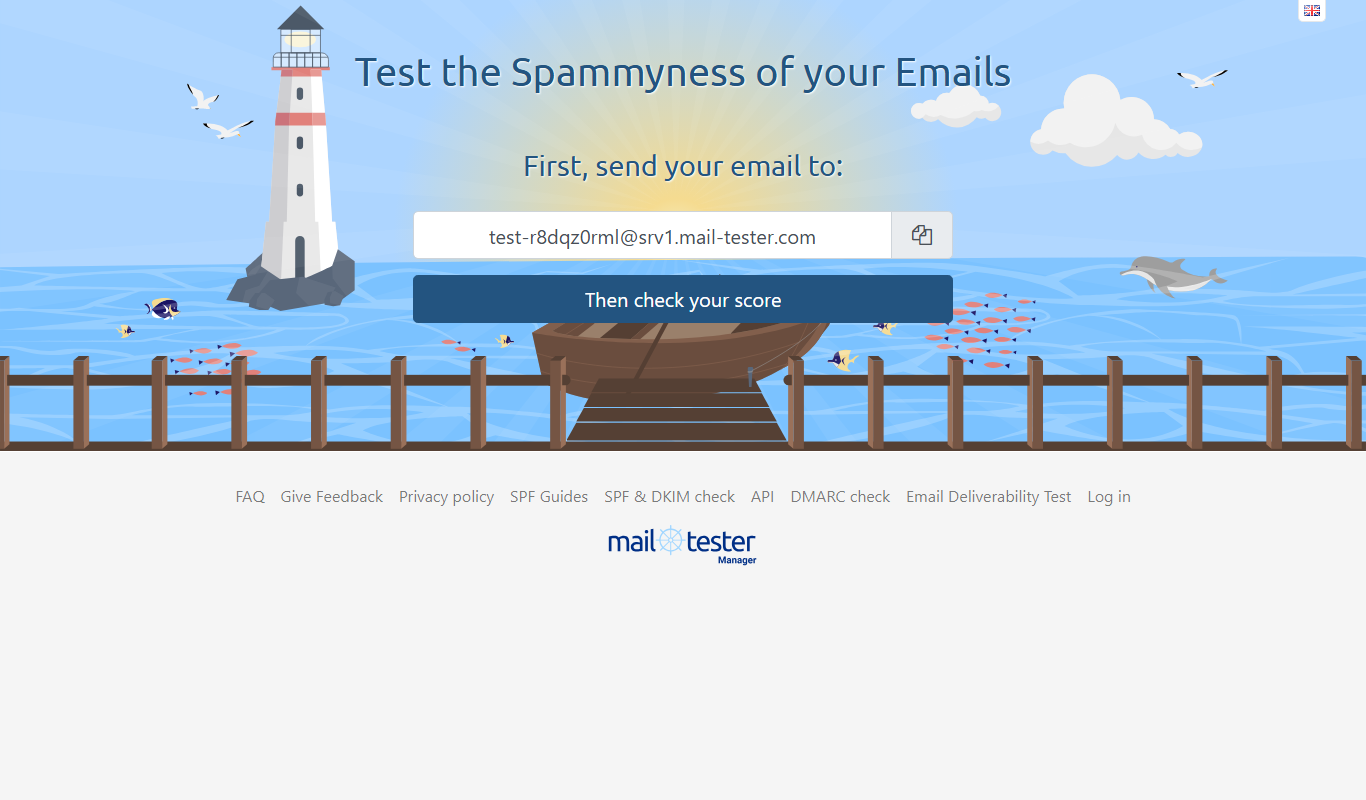
MailTester is an online tool that analyzes your email's spam score, authentication, and deliverability; occasional manual use is free and paid packages start at $10/month.

netradyne.com
Netradyne is an AI-driven fleet safety platform that uses video telematics and machine learning to monitor driver behavior in real time, providing alerts and analytics to improve safety and compliance.

AI Detector Writer
AI Detector Writer is a free online tool that analyzes text to determine if it was generated by AI, providing a confidence score and detailed report to help users verify content authenticity.

Snopes
Snopes is a free fact-checking website that verifies the accuracy of news stories, rumors, and viral claims to help users avoid misinformation.

IDWise Identity Verification, eKYC & AML
IDWise is a digital identity verification platform offering eKYC and AML compliance solutions through biometric facial recognition, document verification, and global sanctions screening.

OET Practice Online
OET Practice Online is a web platform offering interactive practice tests and resources designed to help healthcare professionals prepare for the Occupational English Test by improving their English skills in medical contexts.

PerfectIt
PerfectIt is a proofreading tool that integrates with Microsoft Word to check documents for style consistency, spelling, and formatting errors, helping professionals produce polished and uniform documents.