

From my experience with Jumio, I found it excels at providing a comprehensive and reliable identity verification solution that balances security with user convenience. The platform’s use of AI-powered document authentication combined with biometric facial recognition ensures high accuracy and fraud prevention. After spending time with Jumio, I can say it’s particularly well-suited for financial institutions and regulated industries needing to meet strict KYC and AML compliance. However, the pricing model requires direct contact, which can be a barrier for smaller businesses. Overall, if you need robust digital identity verification integrated into your workflows, Jumio delivers solid, enterprise-grade results.
Jumio Identity Verification Solutions for Secure Online Authentication
Jumio is an AI-driven identity verification platform that uses biometric facial recognition and document authentication to help businesses comply with KYC and AML regulations while preventing fraud.
- Best for
- Customer Identity Verification
- Key capability
- AI-Powered ID Verification

Do you recommend this tool?
What is Jumio?
Jumio is a leading identity verification platform that uses AI, biometrics, and machine learning to authenticate identities remotely. It helps businesses comply with regulatory requirements like KYC (Know Your Customer) and AML (Anti-Money Laundering) by verifying government-issued IDs, passports, and facial biometrics in real time. Jumio’s technology reduces fraud risk and streamlines customer onboarding across various industries including finance, healthcare, and e-commerce.
Key features of Jumio
Jumio offers automated ID verification, biometric facial recognition, document authentication, liveness detection, and real-time identity proofing. Its platform integrates easily via API or SDKs, supporting multiple document types and languages to provide a global solution for secure digital identity verification.
AI-Powered ID Verification
Automated analysis of government-issued IDs to detect fraud and verify authenticity.
Biometric Facial Recognition
Matches user selfies with ID photos to ensure identity accuracy.
Liveness Detection
Prevents spoofing by confirming the presence of a live person during verification.
Global Document Support
Supports thousands of ID types from over 200 countries and territories.
API and SDK Integration
Flexible integration options for web and mobile platforms to embed verification workflows.
Pros and cons of Jumio
Pros
- Comprehensive global ID document coverage
- Robust biometric and liveness detection technology
- Flexible API and SDK integration options
- Strong compliance with regulatory standards
- Real-time verification with high accuracy
Cons
- Pricing is not transparent and requires contact for details
- May require technical resources for integration
- Dependent on quality of user-submitted images
Key use cases for Jumio
Customer Identity Verification
Automate the process of verifying customer identities during onboarding to comply with KYC and AML regulations.
Fraud Prevention
Detect and prevent identity fraud by using AI-powered biometric facial recognition and document verification.
Age Verification
Ensure compliance with age-restricted services by verifying user age through government-issued ID authentication.
Remote Account Opening
Enable secure remote account creation for financial services, telecom, and other regulated industries.
Digital Identity Verification
Provide seamless digital identity proofing for online transactions and access control.
How Jumio works
- 1
User Submission
Customers submit a photo of their government-issued ID and a selfie through a web or mobile interface.
- 2
Document Verification
Jumio’s AI analyzes the ID for authenticity, checking security features and data consistency.
- 3
Biometric Matching
The selfie is compared to the ID photo using facial recognition to confirm the user’s identity.
- 4
Liveness Detection
The system verifies that the selfie is from a live person, preventing spoofing attempts.
- 5
Verification Result
A real-time verification decision is returned to the business for approval or further review.
Who is using Jumio
Financial institutions
Online marketplaces
Telecommunications companies
Healthcare providers
Regulated industries requiring KYC/AML compliance
Jumio pricing
Custom Pricing
Contact for quote
Pricing tailored based on volume, features, and integration requirements.
Plans and prices are as published by the vendor and can change. Check the official site before you buy. Open the pricing page (opens in a new tab)
Frequently asked questions about Jumio
Jumio supports passports, driver’s licenses, national ID cards, and other government-issued documents from over 200 countries.
Jumio complies with global data protection regulations including GDPR and uses encryption and secure data centers to protect user information.
Yes, Jumio provides mobile SDKs for iOS and Android to enable seamless identity verification within apps.
Financial services, healthcare, gaming, travel, and e-commerce industries commonly use Jumio for compliance and fraud prevention.
It depends on your specific needs and how you plan to use the tool. The official website and documentation are the best sources for the latest details.
It depends on your specific needs and how you plan to use the tool. The official website and documentation are the best sources for the latest details.
Data handling and security practices vary by provider. Review the official privacy policy to understand how your data is stored and used.
Sign in to review this tool.
Sign In to ReviewNo reviews yet
Be the first to share how this tool worked for you.
Ask about pricing, limits, or how it compares — or answer someone else.
Sign In to AskNo questions yet
Have a question about using or paying for this tool? Be the first to ask.
Featured on TiorAI



Alternative Tools
Explore similar AI tools that might fit your needs

Custom Pricing
Trulioo
Trulioo is a global identity verification platform that helps businesses comply with KYC and AML regulations by verifying customer identities in real-time using data from over 400 sources worldwide.
More AI Customer Service tools
Other tools in the same category, for when this one is not quite the fit.

Free
MobileMonkey
MobileMonkey is an AI-powered chatbot platform that enables businesses to automate marketing, lead generation, and customer support conversations across multiple messaging channels including Facebook Messenger, Instagram, SMS, and web chat.

Pay As You Go
TextMagic
TextMagic is a cloud-based SMS marketing platform that enables businesses to send bulk text messages, automate notifications, and engage customers with two-way messaging and API integration.

Free Trial
EZ Texting
EZ Texting is a cloud-based SMS marketing platform that enables businesses to send mass text messages, automate campaigns, and engage customers with two-way messaging.

Free Trial
SimpleTexting
SimpleTexting is a cloud-based SMS marketing platform that enables businesses to send mass text messages, automate SMS workflows, and engage customers with two-way messaging to improve communication and marketing effectiveness.

Freemium
Komoot
Komoot is an outdoor navigation app that helps users plan and follow hiking, cycling, and other adventure routes with detailed maps, offline access, and voice guidance.
Custom Pricing
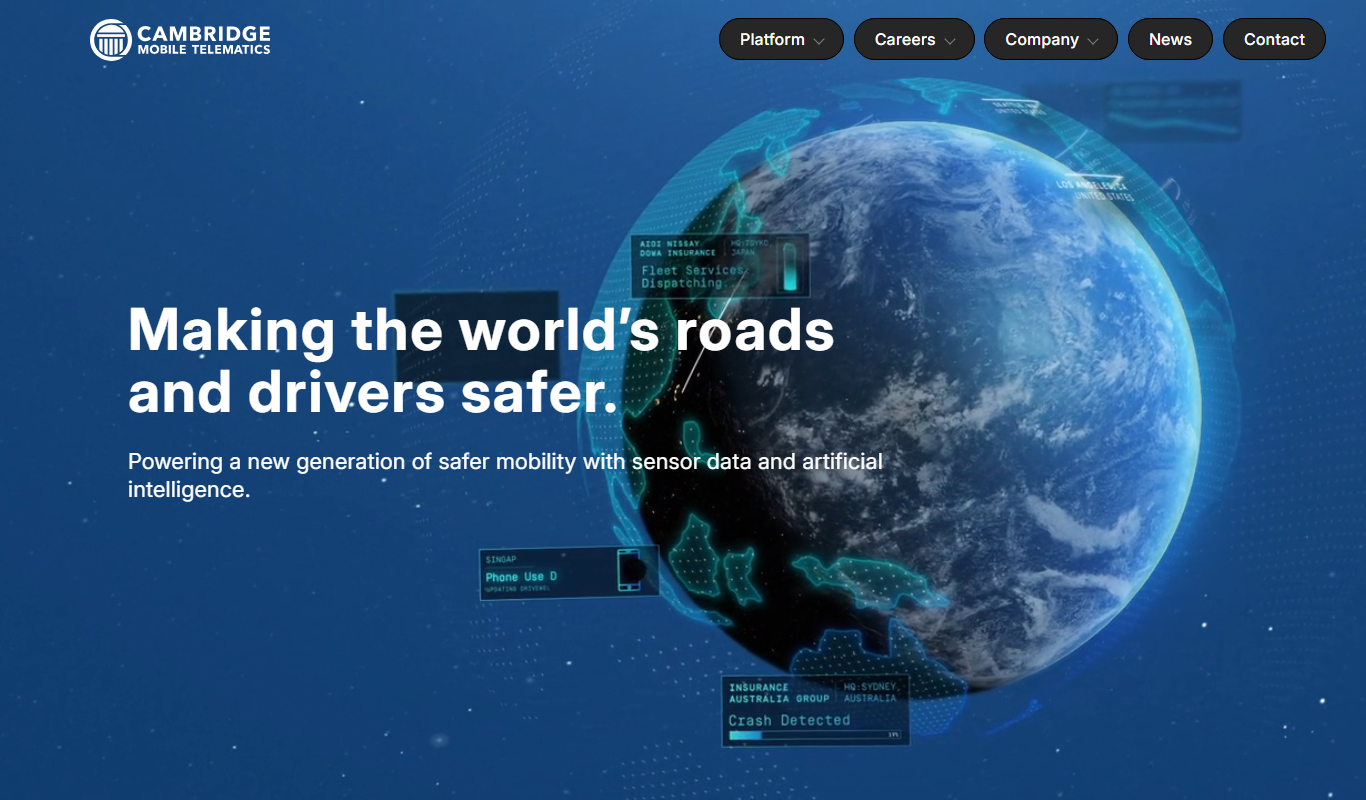
Cambridge Mobile Telematics
Cambridge Mobile Telematics provides a mobile telematics platform that uses smartphone sensors and AI to analyze driver behavior, enabling insurers and fleet managers to assess risk, improve safety, and reduce accidents.

Commission-based
Pathrise
Pathrise is a career coaching platform that provides personalized mentorship, interview preparation, resume reviews, and salary negotiation guidance to help job seekers, especially in tech, secure employment. It operates on a commission-based payment model where users pay only after getting hired.

Free
MyHammer
MyHammer is a UK-based online platform connecting customers with local tradesmen and builders by allowing job posting, offer comparison, and secure communication.