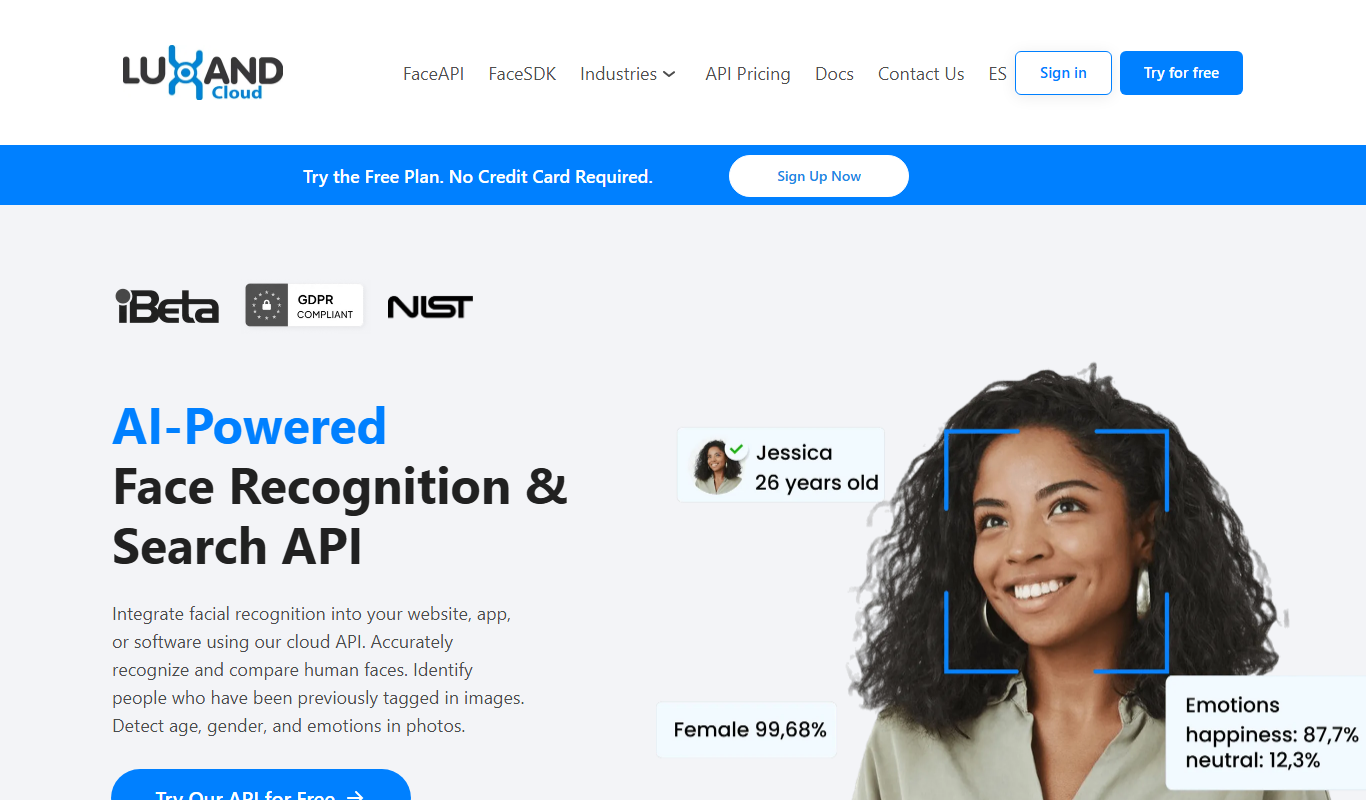
What Is Identity Verification?
Identity verification is a critical security procedure used to authenticate an individual’s identity by cross-checking personal information, documents, or biometric data. This process helps organizations prevent fraud, comply with regulations, and build trust with users. It typically involves using government-issued IDs, facial recognition, or multi-factor authentication to match a person’s real identity with the data they provide.
Why Is Identity Verification Important?
Identity verification plays a fundamental role in protecting both businesses and consumers from identity theft, fraud, and unauthorized access. It ensures that services are accessed only by legitimate users, maintaining security and compliance with legal standards such as Know Your Customer (KYC) requirements.
- Prevents fraud by confirming user authenticity.
- Ensures regulatory compliance for financial and online services.
- Builds customer trust through secure onboarding processes.
Key Characteristics of Identity Verification
- Accuracy: Uses reliable data sources and verification methods to ensure identities are correctly validated.
- Multi-Method Verification: Combines document checks, biometric analysis, and database cross-referencing for stronger results.
- Compliance-Focused: Aligns with legal frameworks such as AML and KYC regulations to meet industry standards.
How Identity Verification Works (Step-by-Step)
- User submits personal information or identity documents (e.g., passport, driver’s license).
- Verification system cross-checks submitted data against trusted databases or government records.
- Additional authentication methods like facial recognition or OTP codes confirm the user’s identity before granting access.
Real-World Examples of Identity Verification
- Online Banking Onboarding: Banks verify new customers’ identities by requesting ID scans and matching faces to photos on documents.
- E-commerce Age Verification: Retailers confirm buyers’ age during purchase of age-restricted products using identity verification services.
Identity Verification in SEO, Marketing, or Business Context
In digital marketing and business, identity verification ensures that user data is authentic, which helps target real customers and reduce fraudulent accounts. For SEO and content creators, verified user interactions improve analytics accuracy and build stronger customer relationships. Businesses rely on identity verification to secure transactions and maintain reputation in competitive markets.
Common Mistakes or Misunderstandings About Identity Verification
- Assuming identity verification is only necessary for financial institutions, while all industries benefit from it.
- Thinking basic document checks alone are sufficient without biometric or database validation.
Related Terms
- Authentication
- Know Your Customer (KYC)
- Biometric Verification
FAQs About Identity Verification
Common methods include document scanning, facial recognition, biometric data, and database cross-referencing.
It helps prevent fraud, ensures compliance, and builds trust with customers by confirming their real identities.
Summary
Identity verification is an essential process that confirms individuals’ identities using multiple reliable methods to prevent fraud and maintain security. It is crucial for regulatory compliance and building confidence in digital interactions across industries, from finance to e-commerce. By understanding and implementing robust identity verification, businesses can protect themselves and their customers effectively.