

Reliable Cloud Infrastructure and Developer Platform for Scalable Applications
DigitalOcean is a cloud infrastructure provider offering scalable virtual servers, managed Kubernetes, and databases designed for developers to deploy and manage applications efficiently.
- Best for
- Cloud Server Hosting
- Key capability
- Droplets (Virtual Servers)
Save DigitalOcean, follow its updates and vote on it — everything stays in your account.
Sign in or create a free account
What is DigitalOcean?
DigitalOcean is a cloud infrastructure provider focused on simplifying cloud computing for developers. It offers virtual servers called Droplets, managed Kubernetes clusters, scalable databases, and networking solutions. The platform is designed to help developers deploy, manage, and scale applications quickly without complex configurations.
Key features of DigitalOcean
Key features include easy-to-use virtual servers, managed Kubernetes, scalable managed databases, developer-friendly APIs, and integrated networking tools such as load balancers and firewalls.
Droplets (Virtual Servers)
Quickly create and manage scalable Linux-based virtual machines optimized for various workloads.
Managed Kubernetes
Simplify container orchestration with fully managed Kubernetes clusters.
Managed Databases
Provision and maintain databases with automated backups, scaling, and high availability.
Developer API and CLI
Automate infrastructure management using a robust API and command-line interface.
Networking Tools
Configure load balancers, private networking, floating IPs, and firewalls to secure and optimize traffic.
Pros and cons of DigitalOcean
Pros
- User-friendly interface ideal for developers
- Competitive pricing with predictable costs
- Strong community and extensive documentation
- Robust API and automation support
- Managed Kubernetes and databases simplify operations
Cons
- No permanent free tier for ongoing use
- Limited advanced enterprise features compared to larger cloud providers
- Primarily focused on Linux workloads
Key use cases for DigitalOcean
Cloud Server Hosting
Deploy and manage scalable virtual servers (Droplets) for web applications, APIs, and backend services.
Managed Kubernetes
Easily orchestrate containerized applications with DigitalOcean Kubernetes, simplifying cluster management.
Managed Databases
Use managed databases like PostgreSQL, MySQL, and Redis to offload database maintenance and scaling.
Developer Infrastructure Automation
Automate infrastructure provisioning and management using APIs, CLI tools, and Terraform integrations.
Application Deployment and Scaling
Deploy apps with load balancers, block storage, and networking features to ensure high availability.
How DigitalOcean works
- 1
Create an Account
Sign up on DigitalOcean’s website to access the cloud platform.
- 2
Provision Resources
Use the dashboard or API to create Droplets, Kubernetes clusters, or managed databases.
- 3
Deploy Applications
Deploy your applications on the provisioned infrastructure with customizable configurations.
- 4
Scale and Manage
Scale resources vertically or horizontally and manage networking, backups, and security settings.
Who is using DigitalOcean
DigitalOcean pricing
Basic Droplet
$6/month
1GB Droplet at $6/month; Droplets start from $4/month.
4vCPU/8GB Droplet
$48/month
4vCPU/8GB Droplet at $48/month.
Managed Kubernetes
From $12/month
Managed Kubernetes from $12/month.
Plans and prices are as published by the vendor and can change. Check the official site before you buy. Open the pricing page (opens in a new tab)
Frequently asked questions about DigitalOcean
A Droplet is a scalable virtual server; the official Droplets page mentions Linux distributions only.
Yes, DigitalOcean provides managed PostgreSQL, MySQL, and Redis databases with automated maintenance.
Yes, DigitalOcean offers APIs, CLI tools, and Terraform support for infrastructure automation.
DigitalOcean does not have a permanent free tier but offers a free trial credit for new users.
This tool is designed to help users accomplish its core tasks more efficiently. It is typically used by individuals or teams looking to improve productivity and workflow.
Pricing depends on the plan and included features. For the most accurate and up-to-date details, check the official pricing page.
Yes, it can help with that use case depending on how you configure it and what features are available. You’ll get the best results with clear inputs and a defined goal.
Integration support depends on the tool and its available connectors or API. Check the official documentation or integrations page to confirm what is supported.
Conclusion
Resources are provisioned from the dashboard or API, whether Droplets, Kubernetes clusters or managed databases. Droplets are scalable virtual servers running Linux distributions, and applications are deployed on them with customizable configurations. Managed PostgreSQL, MySQL and Redis databases come with automated maintenance. Automation runs through APIs, CLI tools and Terraform support.
The platform targets independent developers, DevOps engineers, and startups and small businesses. Droplets start from $4/month, with the 1GB Droplet at $6 and a 4vCPU/8GB Droplet at $48, while Managed Kubernetes starts from $12/month.
Sources
Sign in to review this tool.
Sign In to ReviewNo reviews yet
Be the first to share how this tool worked for you.
Ask about pricing, limits, or how it compares — or answer someone else.
Sign In to AskNo questions yet
Have a question about using or paying for this tool? Be the first to ask.
Featured on TiorAI



Alternative Tools
Explore similar AI tools that might fit your needs

Linode
Linode is a cloud hosting provider offering virtual private servers, managed Kubernetes, and scalable infrastructure primarily for Linux-based applications, targeting developers and businesses needing reliable and affordable cloud compute resources.
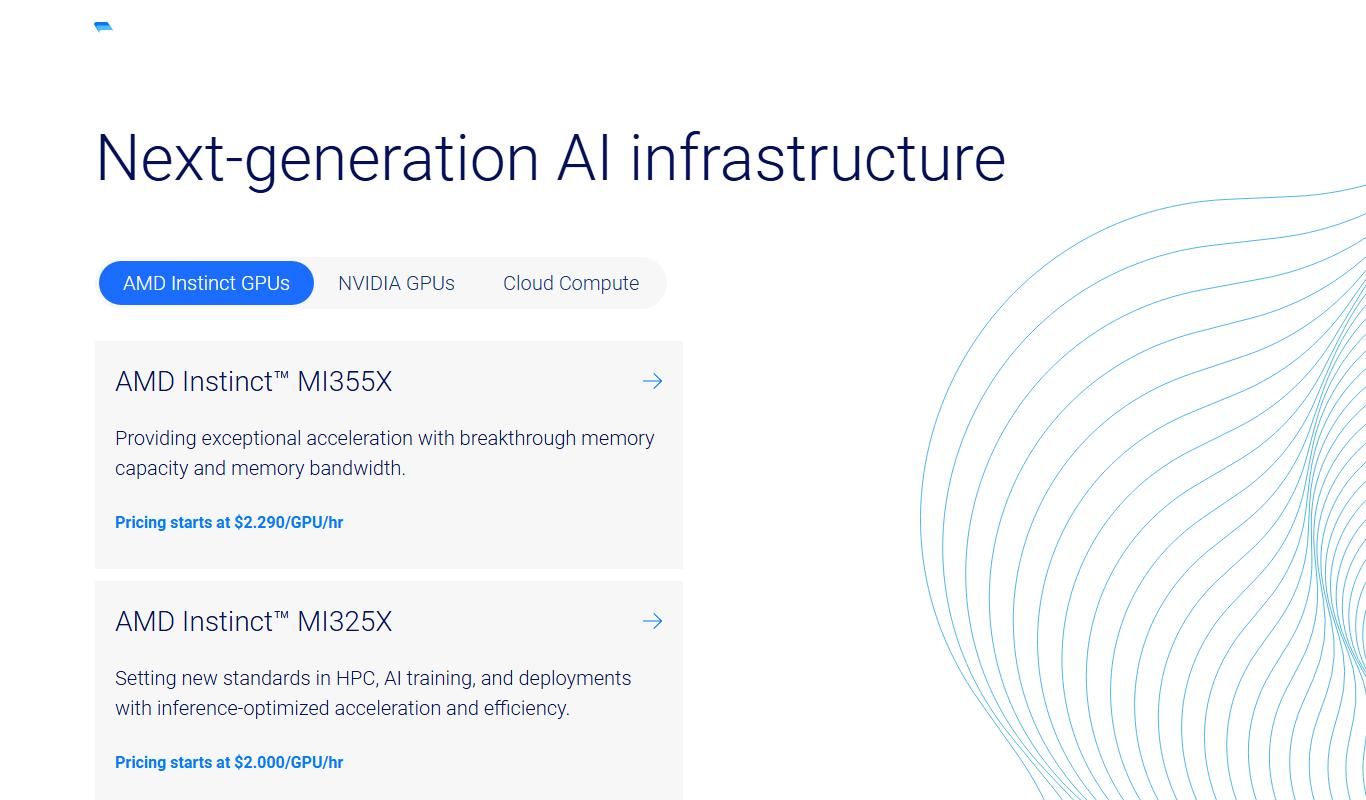
Vultr
Vultr is a cloud infrastructure provider offering scalable virtual servers, bare metal, and block storage with global data centers and a robust API for developers.
More AI Developer Tools tools
Other tools in the same category, for when this one is not quite the fit.
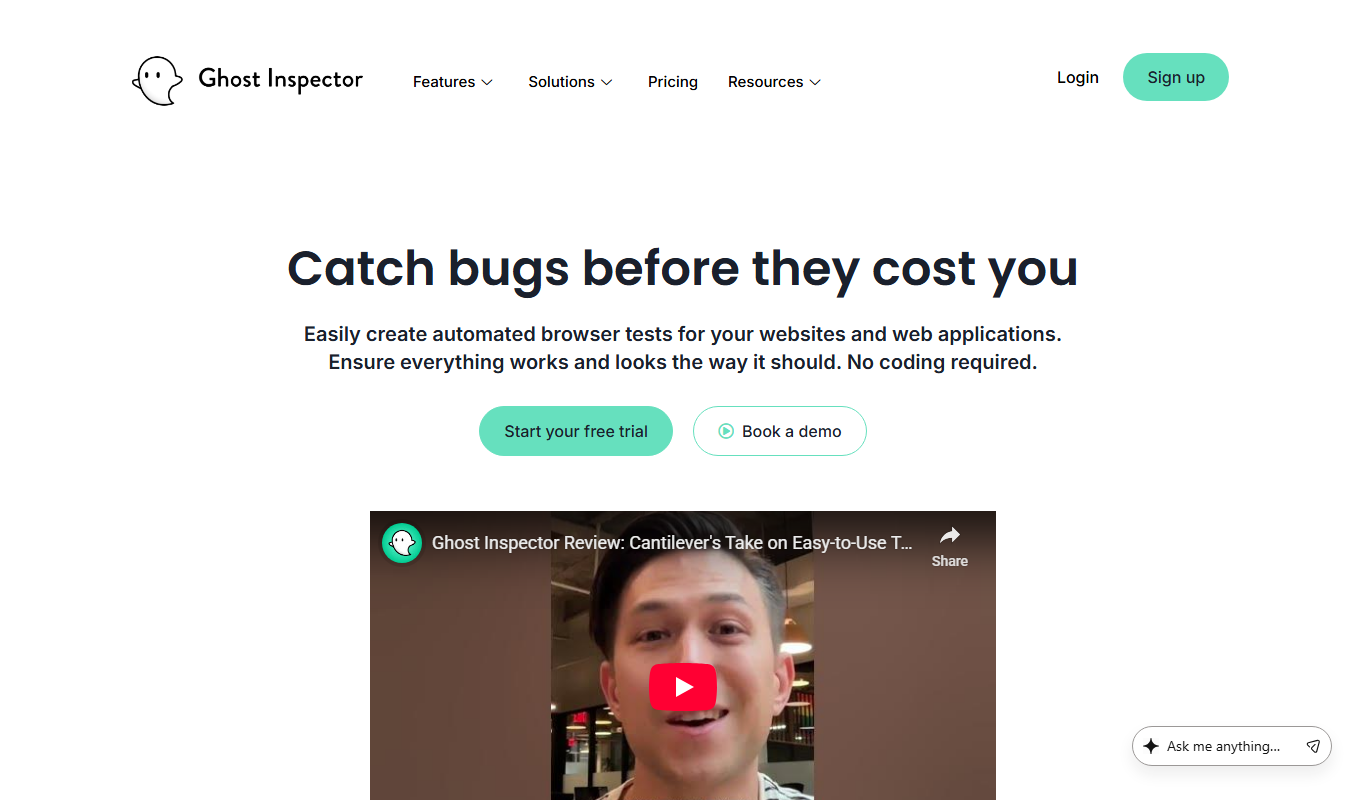
Ghost Inspector
Ghost Inspector is a cloud-based tool that automates browser testing by recording user interactions or scripting tests to ensure websites function correctly and look consistent across browsers. It integrates with CI/CD pipelines and supports scheduled monitoring.

AutoMapper
AutoMapper is a .NET library that automates mapping between different object models, helping developers reduce manual code; since version 15.x it is commercial, with a free Community edition for companies under $5M revenue.

Gradio
Gradio is an open-source tool that lets you quickly create interactive web interfaces for machine learning models using Python, enabling easy sharing and testing without front-end development.

Auth0
Auth0 is a secure identity platform that enables developers to add authentication and authorization to applications using standards like OAuth 2.0 and OpenID Connect, supporting features such as single sign-on, multi-factor authentication, and social login integration.
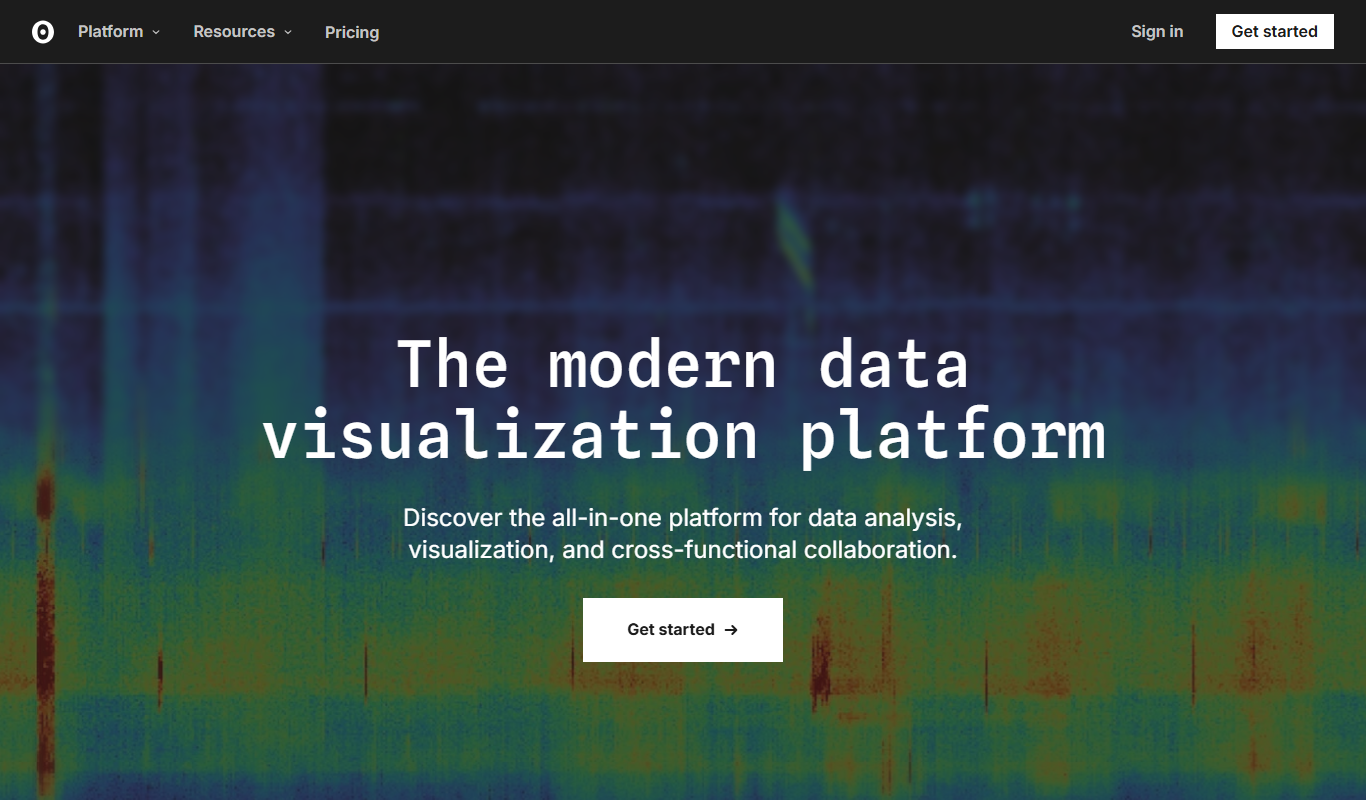
Observable
Observable is a web-based platform that enables users to create interactive JavaScript notebooks focused on data visualization and collaborative data analysis.

Swagger
Swagger is a set of tools for designing, documenting, testing, and mocking RESTful APIs using the OpenAPI Specification, widely used by developers and teams to streamline API development.

Stardog
Stardog is an enterprise knowledge graph platform that integrates diverse data sources into a semantic graph database, enabling advanced querying, reasoning, and AI integration.
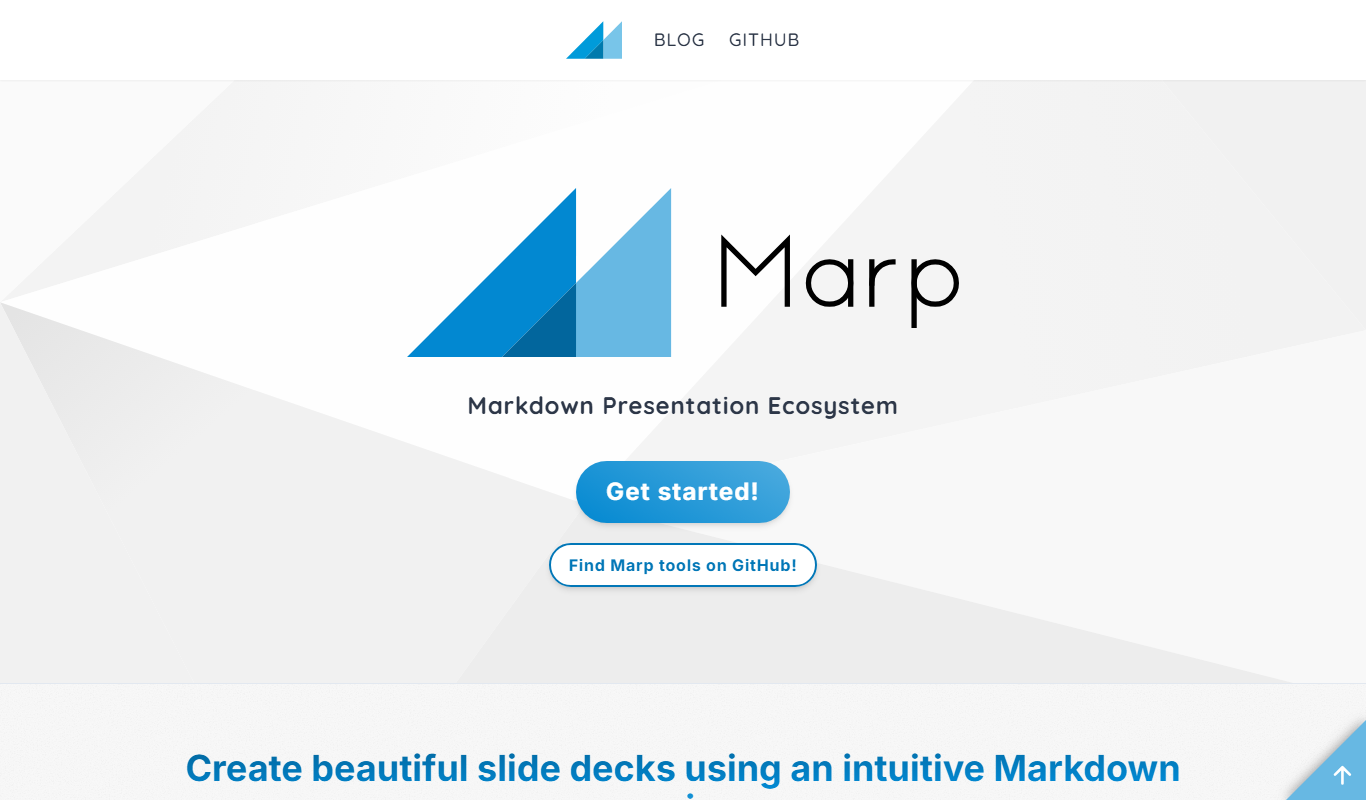
Marp
Marp is an open-source tool that converts Markdown files into presentation slides with export options including PDF and PowerPoint, featuring customizable themes and syntax highlighting.