What Is Handwriting Recognition?
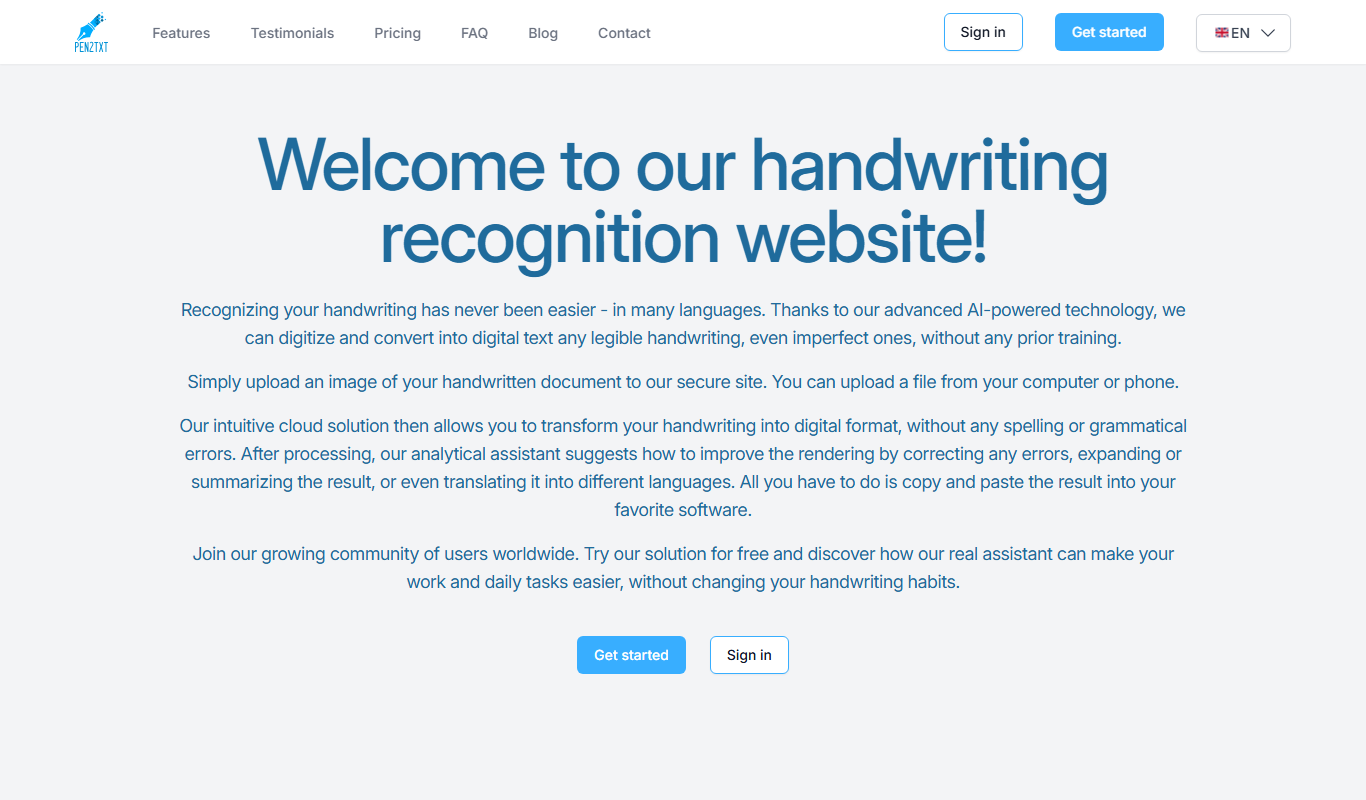
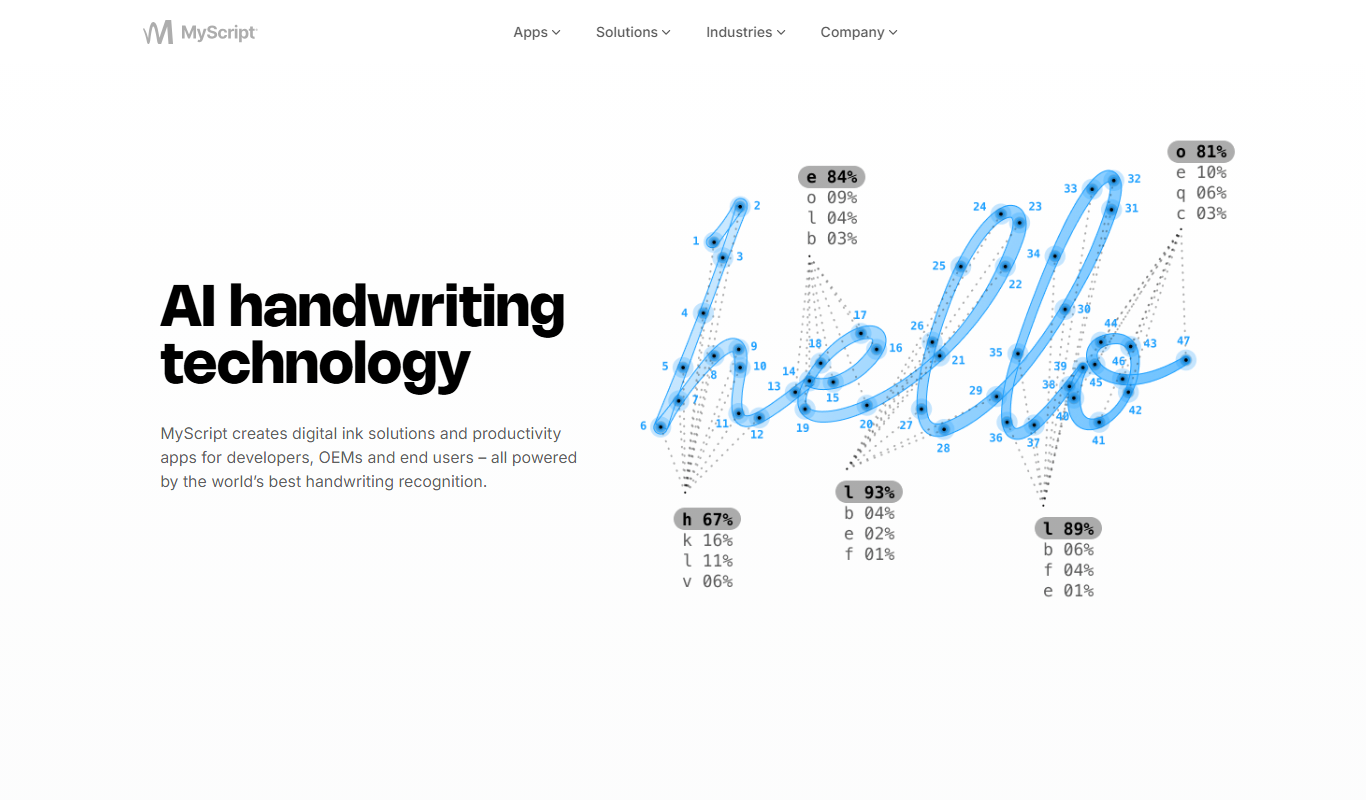
Handwriting recognition is a method by which computers or mobile devices interpret and convert written characters, words, or sentences from handwriting into machine-readable text. This process involves analyzing the shape, strokes, and patterns of handwritten input, whether captured via touchscreens, styluses, or scanned paper documents. The technology enables more natural data entry, bridging the gap between human writing and digital processing.
Why Is Handwriting Recognition Important?
Handwriting recognition plays a crucial role in making digital interactions more intuitive and accessible. It allows users to input information without relying solely on keyboards, helping industries like education, healthcare, and business digitize records efficiently. For digital marketing and SEO, it supports better data collection and user engagement through more personalized handwriting-based interfaces.
- Enhances user experience by enabling natural input methods
- Facilitates digitization of handwritten documents for easy storage and search
- Supports accessibility for users who prefer or require handwriting over typing
Key Characteristics of Handwriting Recognition
- Accuracy: Ability to correctly interpret diverse handwriting styles and reduce errors
- Real-Time Processing: Converts input instantly for seamless user interaction
- Adaptability: Learns and improves from user-specific handwriting patterns over time
How Handwriting Recognition Works (Step-by-Step)
- Capture: The handwritten input is digitized through a touchscreen, stylus, or image scanner.
- Preprocessing: The system cleans the input by removing noise and normalizing the handwriting.
- Recognition: Algorithms analyze strokes and shapes to convert handwriting into digital text.
Real-World Examples of Handwriting Recognition
- Note-taking Apps: Applications like Microsoft OneNote or Evernote convert handwritten notes into searchable text.
- Postal Services: Automated sorting systems read handwritten addresses to speed delivery processes.
Handwriting Recognition in SEO, Marketing, or Business Context
In digital marketing and business, handwriting recognition can enhance customer interactions by enabling personalized note-taking and form filling without keyboards. It supports data digitization from physical documents, improving workflow efficiency and customer data analysis. For SEO, integrating handwriting recognition can optimize user interfaces on mobile devices, boosting engagement and reducing friction in data input.
Common Mistakes or Misunderstandings About Handwriting Recognition
- Assuming handwriting recognition is flawless regardless of handwriting quality
- Overlooking the need for preprocessing and training the system for better accuracy
Related Terms
FAQs About Handwriting Recognition
Accuracy depends on handwriting clarity and the sophistication of the recognition algorithm, with improvements over time through training.
Many systems support multiple languages, but effectiveness varies depending on the complexity and script of the language.
Summary
Handwriting recognition transforms handwritten input into digital text, enabling natural interaction between humans and technology. It enhances usability across many industries by digitizing notes and documents efficiently. While not perfect, ongoing advancements in algorithms and AI continue to improve its accuracy and adaptability, making it a valuable tool in marketing, business, and SEO environments.