What Is Optical Character Recognition (OCR)?
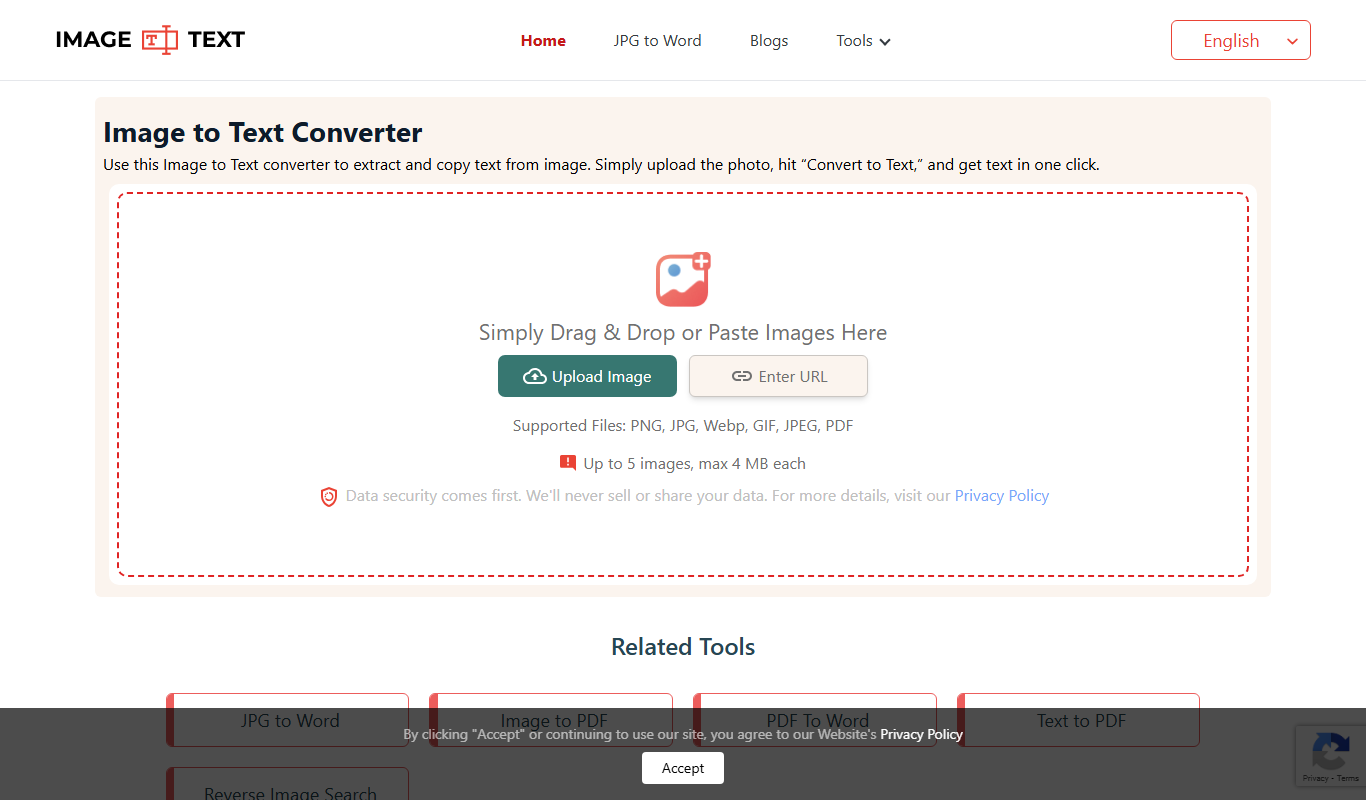
Optical Character Recognition (OCR) is a process that transforms printed or handwritten text captured in images or scanned documents into machine-readable text. Instead of typing or manually transcribing, OCR software analyzes the shapes of letters and symbols within digital images and converts them into text codes that computers can process. This technology is used to digitize books, receipts, invoices, and forms, making the content accessible for editing, searching, and storage.
Why Is Optical Character Recognition (OCR) Important?
OCR plays a vital role in automating data entry and document management, significantly reducing manual labor and errors. It allows businesses to convert paper-based records into digital formats, enhancing accessibility and enabling quick search and retrieval of information. Additionally, OCR supports accessibility tools by converting printed text into formats usable by screen readers, improving inclusivity.
- Speeds up data processing by converting physical documents into editable digital files.
- Improves accuracy and efficiency in data entry and record keeping.
- Enables enhanced searchability and data extraction for business intelligence.
Key Characteristics of Optical Character Recognition (OCR)
- Text Recognition Accuracy: OCR systems vary in accuracy depending on image quality, font types, and language complexity.
- Multi-language Support: Advanced OCR solutions handle multiple languages and character sets, including special symbols.
- Integration Capability: OCR software often integrates with content management systems, databases, and workflow tools for seamless document processing.
How Optical Character Recognition (OCR) Works (Step-by-Step)
- Capture: A document or image containing text is scanned or photographed to create a digital image.
- Preprocessing: The image is cleaned and enhanced to improve text recognition, such as correcting skew or adjusting contrast.
- Recognition & Conversion: The OCR engine analyzes the shapes of characters in the image and converts them into machine-readable text.
Real-World Examples of Optical Character Recognition (OCR)
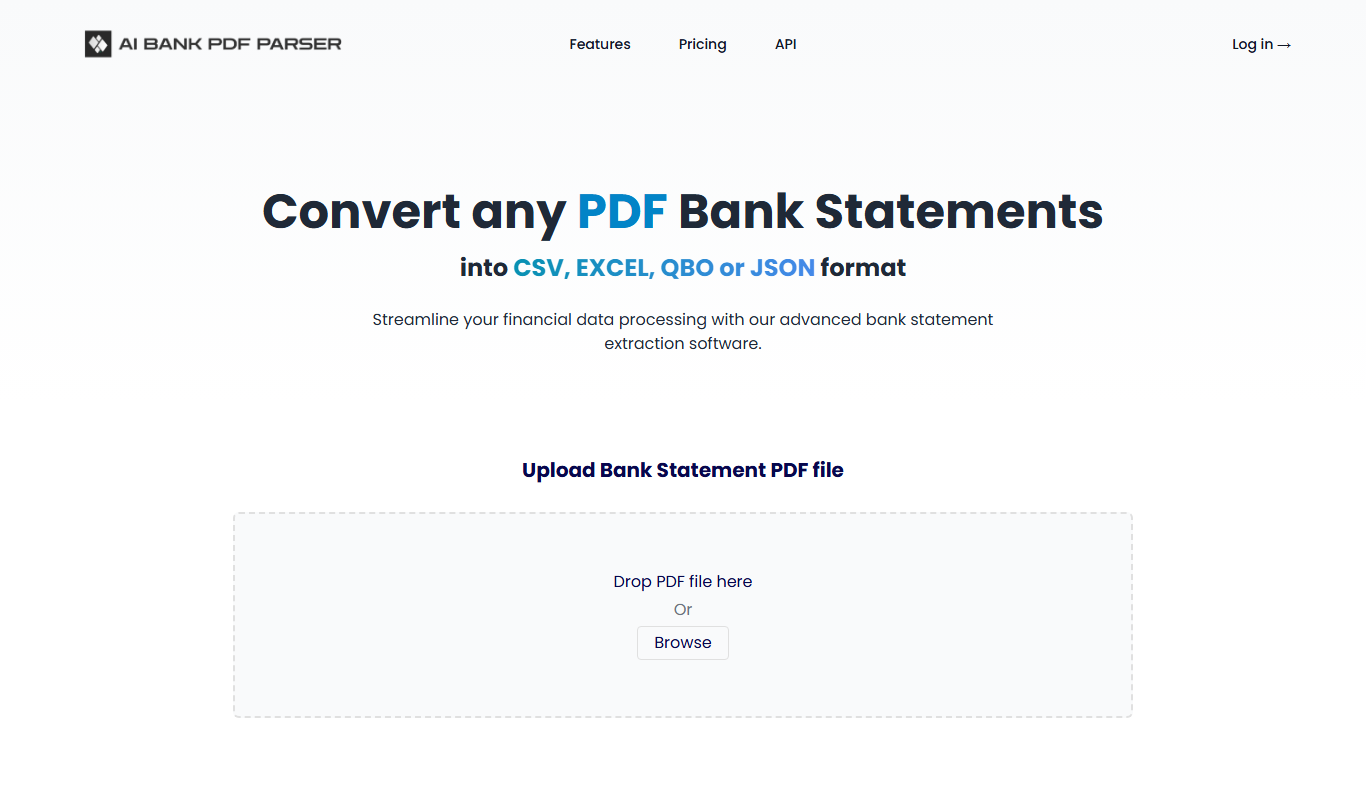
- Invoice Processing: Companies use OCR to automatically extract billing details from scanned invoices, speeding up accounting workflows.
- Digital Archiving: Libraries digitize printed books and documents with OCR to create searchable eBooks and archives.
Optical Character Recognition (OCR) in SEO, Marketing, or Business Context
In digital marketing and SEO, OCR enhances content accessibility by converting printed materials into digital formats that can be indexed by search engines. Businesses use OCR to streamline document workflows, improve data extraction for customer insights, and enable efficient management of large volumes of paperwork, which supports faster decision-making and operational agility.
Common Mistakes or Misunderstandings About Optical Character Recognition (OCR)
- Assuming OCR is always 100% accurate regardless of input quality.
- Confusing OCR with Optical Mark Recognition (OMR), which reads marks on paper, not text.
Related Terms
- Document Scanning
- Artificial Intelligence (AI)
- Natural Language Processing (NLP)
FAQs About Optical Character Recognition (OCR)
OCR automates the conversion of physical documents into editable text, reducing manual data entry and speeding up workflows.
Some advanced OCR systems can recognize handwriting, but accuracy depends on the handwriting quality and software sophistication.
Summary
Optical Character Recognition (OCR) is a transformative technology that converts images of text into digital, editable content. It streamlines data entry, enhances document accessibility, and supports digital transformation efforts across industries. Understanding its capabilities and limitations helps businesses leverage OCR effectively to optimize workflows and improve data management.