What Is Prototyping?
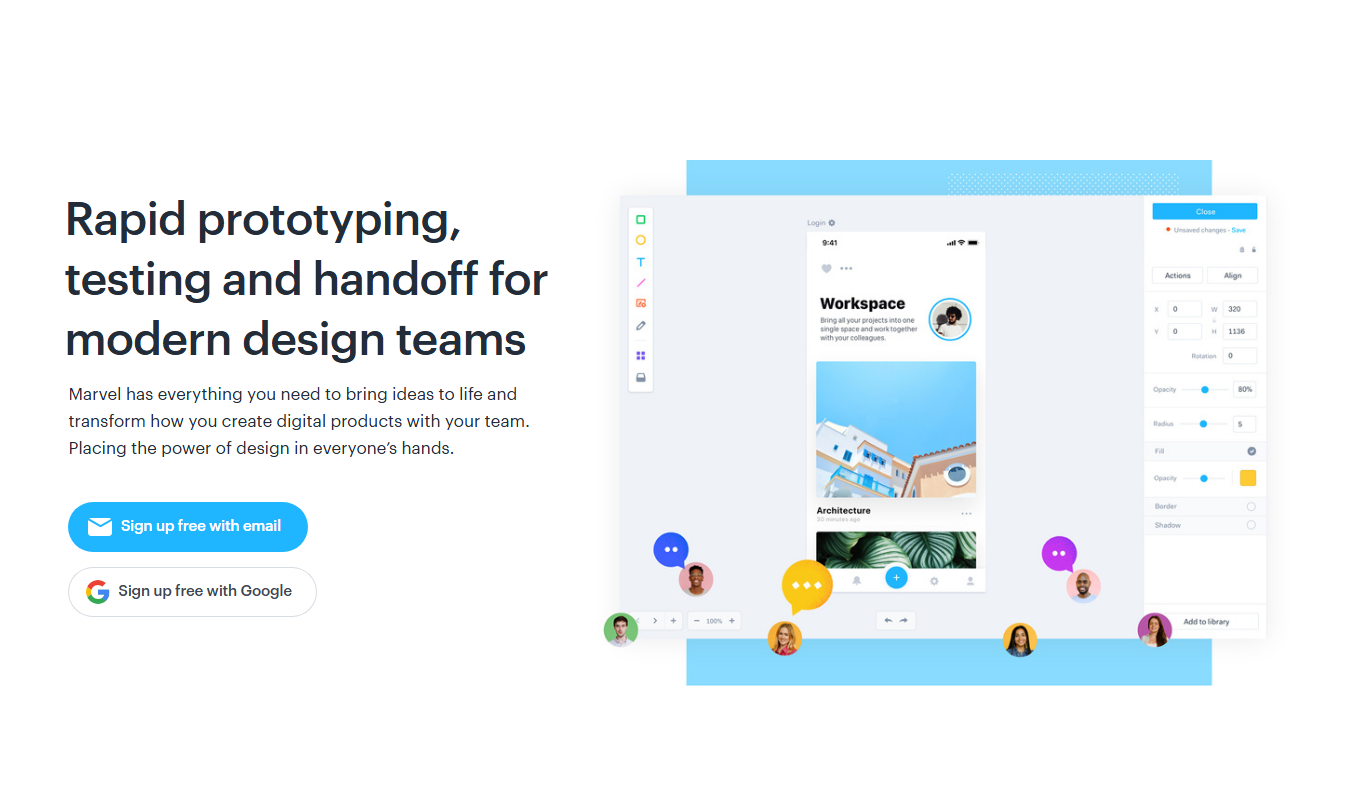
Prototyping involves building a preliminary version of a product, feature, or service to explore concepts and gather feedback. This model can range from simple sketches and wireframes to interactive digital versions, allowing designers and developers to visualize the user experience and functionality. By creating prototypes, teams can identify potential problems, refine designs, and make informed decisions early in the development cycle, saving time and resources.
Why Is Prototyping Important?
Prototyping is crucial because it bridges the gap between ideas and final products, enabling stakeholders to understand and interact with concepts before committing to development. It helps uncover usability issues, ensures alignment among team members and clients, and reduces the risk of costly errors. Prototypes also facilitate faster iterations and innovation by providing a tangible way to test assumptions and gather user feedback.
- Validates design concepts through user testing and feedback
- Reduces development costs by identifying issues early
- Enhances communication between designers, developers, and clients
Key Characteristics of Prototyping
- Iterative Process: Prototyping involves multiple cycles of creation, testing, and refinement to improve the product progressively.
- Varied Fidelity: Prototypes can range from low-fidelity (basic sketches) to high-fidelity (interactive digital models) depending on the project’s needs.
- User-Centered: Effective prototyping focuses on the end-user experience, enabling real users to interact and provide feedback.
How Prototyping Works (Step-by-Step)
- Define the project goals and identify key features to prototype.
- Create an initial prototype using sketches, wireframes, or digital tools.
- Test the prototype with users or stakeholders, gather feedback, and make necessary adjustments.
Real-World Examples of Prototyping
- Mobile App Development: Designers create clickable wireframes to simulate app navigation before coding begins.
- Product Design: Engineers build 3D printed models to test form and function of physical products.
Prototyping in SEO, Marketing, or Business Context
In marketing and business, prototyping helps validate campaign concepts, website layouts, or customer journey flows before launch. For SEO professionals, prototyping website structures or content layouts can optimize user experience and improve search engine rankings by ensuring usability and engagement are prioritized early on.
Common Mistakes or Misunderstandings About Prototyping
- Believing prototypes must be fully functional products rather than simplified models.
- Skipping user testing and feedback, limiting the prototype’s effectiveness.
Related Terms
- Wireframing
- User Experience (UX) Design
- Minimum Viable Product (MVP)
FAQs About Prototyping
Wireframing is a basic layout or blueprint, while prototyping includes interactive elements to simulate user experience.
It helps identify issues early, gather feedback, and refine ideas, reducing development time and costs.
Summary
Prototyping is a vital step in product and service development that allows teams to visualize, test, and improve ideas before full production. By focusing on user experience and iterative improvement, prototyping minimizes risks and drives innovation, making it an indispensable tool for designers, marketers, and business strategists alike.