

Python-Future Library for Seamless Python 2 and 3 Compatibility in Development
Python-Future is a compatibility library that allows Python developers to write code that runs on both Python 2 and Python 3 interpreters without modification, easing migration and maintenance.
- Best for
- Cross-Version Python Development
- Key capability
- Backported Python 3 Features
Save Python-Future, follow its updates and vote on it — everything stays in your account.
Sign in or create a free account
What is Python-Future?
Python-Future is an open-source compatibility layer and library that enables developers to write Python code compatible with both Python 2 and Python 3. It provides backports of Python 3 features to Python 2, allowing a single codebase to run unmodified on both versions. This helps ease the transition from Python 2 to Python 3 and supports maintaining legacy code while adopting modern Python features.
Key features of Python-Future
Python-Future offers a comprehensive set of tools including backported standard library modules, syntax compatibility helpers, and utilities to write forward-compatible Python code. It simplifies cross-version development and reduces the complexity of maintaining dual-version support.
Backported Python 3 Features
Access Python 3 built-ins and standard library modules in Python 2.
Automatic Syntax Compatibility
Tools to write code that is syntactically valid in both Python 2 and 3.
Comprehensive Documentation
Detailed guides and examples to facilitate smooth adoption.
Open Source and Community Driven
Maintained by a community of Python developers ensuring ongoing support.
Pros and cons of Python-Future
Pros
- Simplifies maintaining codebases supporting Python 2 and 3
- Open-source and free to use
- Comprehensive compatibility tools and backports
- Well-documented with community support
Cons
- Limited to Python 2.6/2.7 and early Python 3 features
- Does not support latest Python 3 syntax or features fully
- Requires learning specific compatibility idioms
Key use cases for Python-Future
Cross-Version Python Development
Write Python code that runs seamlessly on both Python 2 and Python 3 interpreters without modification.
Code Modernization
Modernize legacy Python 2 codebases by gradually introducing Python 3 features and syntax compatibility.
Library and Framework Support
Develop libraries or frameworks that maintain compatibility across Python versions, expanding user base and reducing maintenance overhead.
Educational Purposes
Learn and teach Python 2 and 3 compatibility techniques using practical tools and examples.
How Python-Future works
- 1
Install the Library
Use pip to install python-future in your development environment.
- 2
Import Future Modules
Import modules and functions from the future package to enable Python 3 features in Python 2.
- 3
Write Compatible Code
Use the provided utilities and syntax to write code that runs on both Python 2 and 3 interpreters.
- 4
Run and Test
Execute your code on both Python versions to ensure compatibility and correct behavior.
Who is using Python-Future
Python-Future pricing
Free
$0
Open-source library available for free under the MIT license.
Plans and prices are as published by the vendor and can change. Check the official site before you buy. Open the pricing page (opens in a new tab)
Frequently asked questions about Python-Future
Python-Future supports Python 2.6 and 2.7, which are the most commonly used versions for compatibility.
Yes, it helps write code that runs on both versions, easing the porting process.
Python-Future focuses on compatibility between Python 2 and Python 3 up to versions commonly used; newer Python 3 features may not be fully backported.
This tool is designed to help users accomplish its core tasks more efficiently. It is typically used by individuals or teams looking to improve productivity and workflow.
Yes, it can help with that use case depending on how you configure it and what features are available. You’ll get the best results with clear inputs and a defined goal.
It depends on your specific needs and how you plan to use the tool. The official website and documentation are the best sources for the latest details.
Yes, it can help with that use case depending on how you configure it and what features are available. You’ll get the best results with clear inputs and a defined goal.
Conclusion
Python-Future lets a single codebase run unmodified on both Python 2 and Python 3. After installing it with pip, developers import modules and functions from the future package, which gives Python 2 access to Python 3 built-ins and standard library modules. The code is then executed on both versions to ensure compatibility and correct behavior. It is meant to ease the transition from Python 2 to Python 3 while supporting maintaining legacy code.
The library targets developers maintaining legacy code, engineers migrating projects to Python 3, and library and framework authors needing cross-version support. On the Python 2 side it supports versions 2.6 and 2.7. Newer Python 3 syntax and features may not be fully backported, and using it well requires learning specific compatibility idioms. It is open source and free under the MIT license.
Sources
Sign in to review this tool.
Sign In to ReviewNo reviews yet
Be the first to share how this tool worked for you.
Ask about pricing, limits, or how it compares — or answer someone else.
Sign In to AskNo questions yet
Have a question about using or paying for this tool? Be the first to ask.
Featured on TiorAI

More AI Code Assistant tools
Other tools in the same category, for when this one is not quite the fit.

Cymath
Cymath is an AI-powered math solver that provides step-by-step solutions for algebra, calculus, and other math problems via web and mobile apps.

Sphinx
Sphinx is an open-source documentation generator primarily for Python projects that converts reStructuredText and docstrings into multi-format technical documentation.

The Odin Project
The Odin Project is a free, open-source online curriculum that teaches full-stack web development through project-based learning and community support.

freeCodeCamp
freeCodeCamp is a free online platform offering interactive coding lessons, projects, and certifications to help beginners learn programming and web development.

Codecademy
Codecademy is an online platform offering interactive coding courses and projects to help users learn programming languages and prepare for tech careers.
Parcel
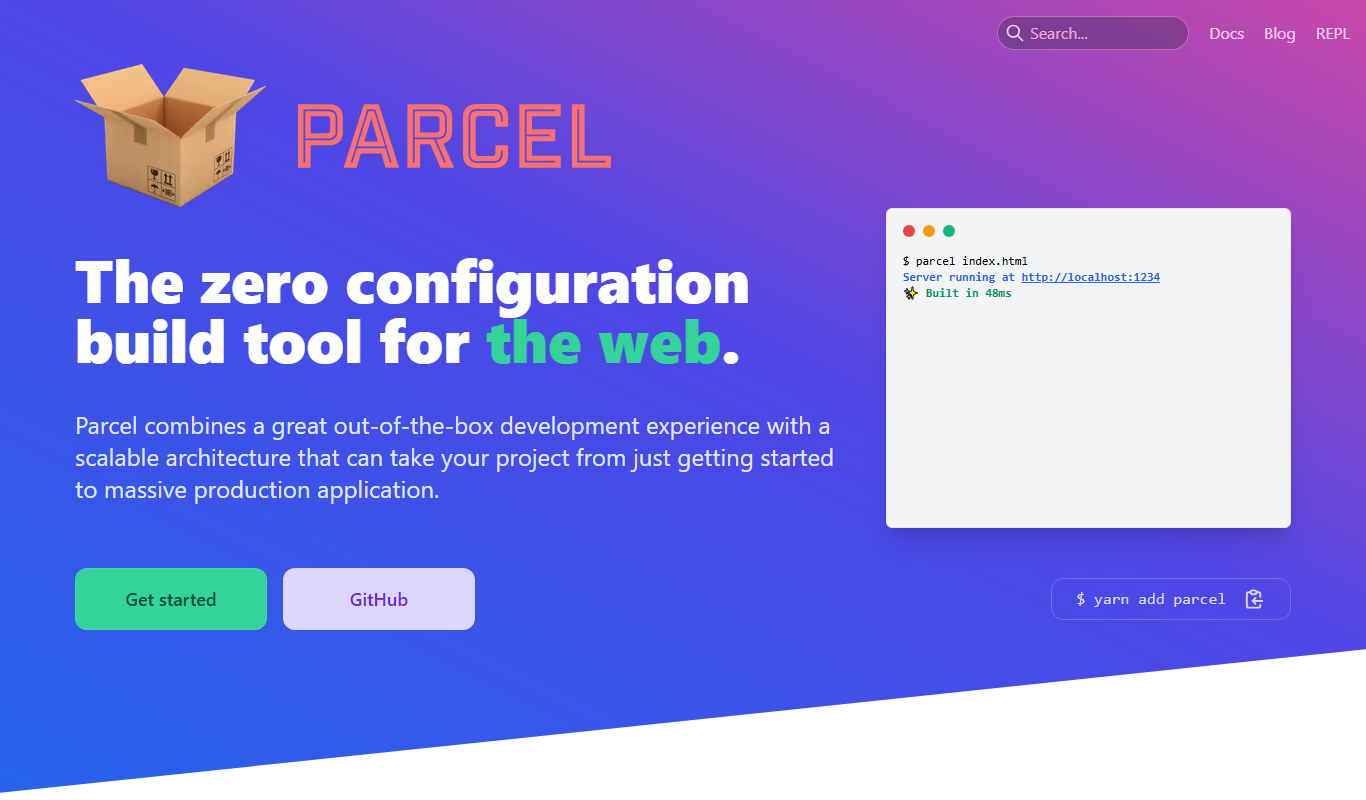
ParcelJS is an open-source web bundler that offers zero configuration, fast multi-core builds, and automatic asset handling for modern web development.

Kodable
Kodable is an educational platform that teaches young children coding basics through interactive games and visual programming, suitable for ages 4 to 10.

Scratch
Scratch is a free visual programming platform developed by MIT that helps kids and beginners learn coding by creating interactive stories, games, and animations using drag-and-drop code blocks.