


Free
Merriam-Webster Dictionary
Merriam-Webster Dictionary is a trusted online English dictionary offering definitions, synonyms, audio pronunciations, and language learning resources.
152 tools in this category. Filter by pricing, platform or language to narrow the list.
Merriam-Webster Dictionary is a trusted online English dictionary offering definitions, synonyms, audio pronunciations, and language learning resources.
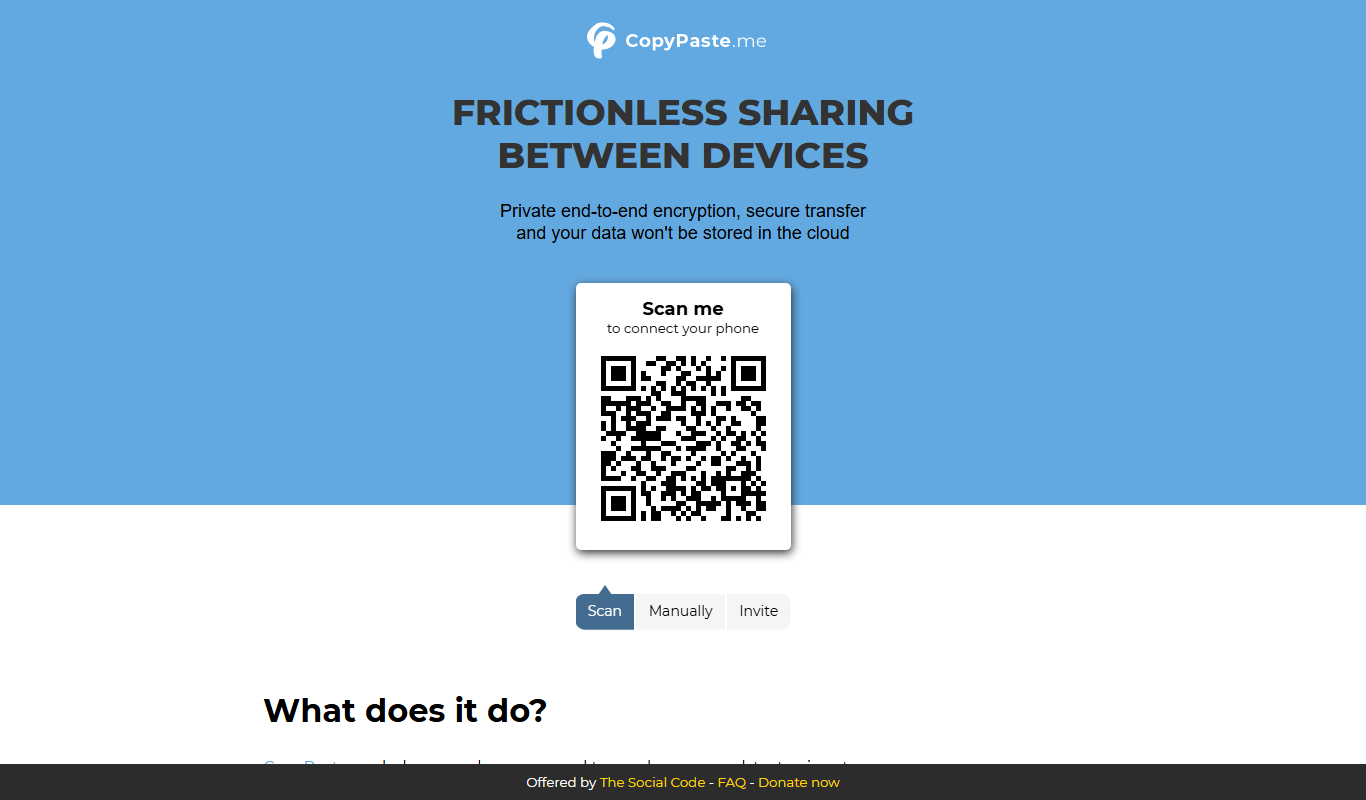
CopyPaste.me is an AI-powered web tool that helps users generate and rewrite text content quickly and easily, supporting content creation, paraphrasing, and SEO optimization.

Cookpad is a global recipe sharing platform where home cooks can discover, share, and organize recipes while engaging with a cooking community.

Cake is an AI writing assistant that helps generate, edit, and optimize written content for blogs, marketing, and SEO purposes.

TasteDive is a free online recommendation engine that suggests movies, TV shows, music, books, and more based on your favorites.

MovieLens is a free web-based movie recommendation system that uses collaborative filtering algorithms to provide personalized film suggestions based on user ratings.

Flashcard Machine is a web-based tool for creating and studying custom flashcards with multiple study modes and sharing capabilities.

Remove Line Breaks Tool is a free online utility that removes unwanted line breaks from text, helping you create clean, continuous paragraphs quickly and easily.

Keybr is a free web-based typing tutor that uses adaptive algorithms to help users learn touch typing by focusing on their weak keys and tracking progress.

Paraphrase Online is a free web-based AI tool that helps users rewrite and rephrase English text instantly without registration.

ClinicalTrials.gov is a free, publicly accessible database maintained by the U.S. National Library of Medicine that provides detailed information on clinical trials worldwide, allowing users to search, register, and review study results.

Scite is an AI-powered platform that analyzes scientific citations by classifying them as supporting, contrasting, or mentioning, providing researchers with deeper insights into how papers are referenced.
Page 2 of 9