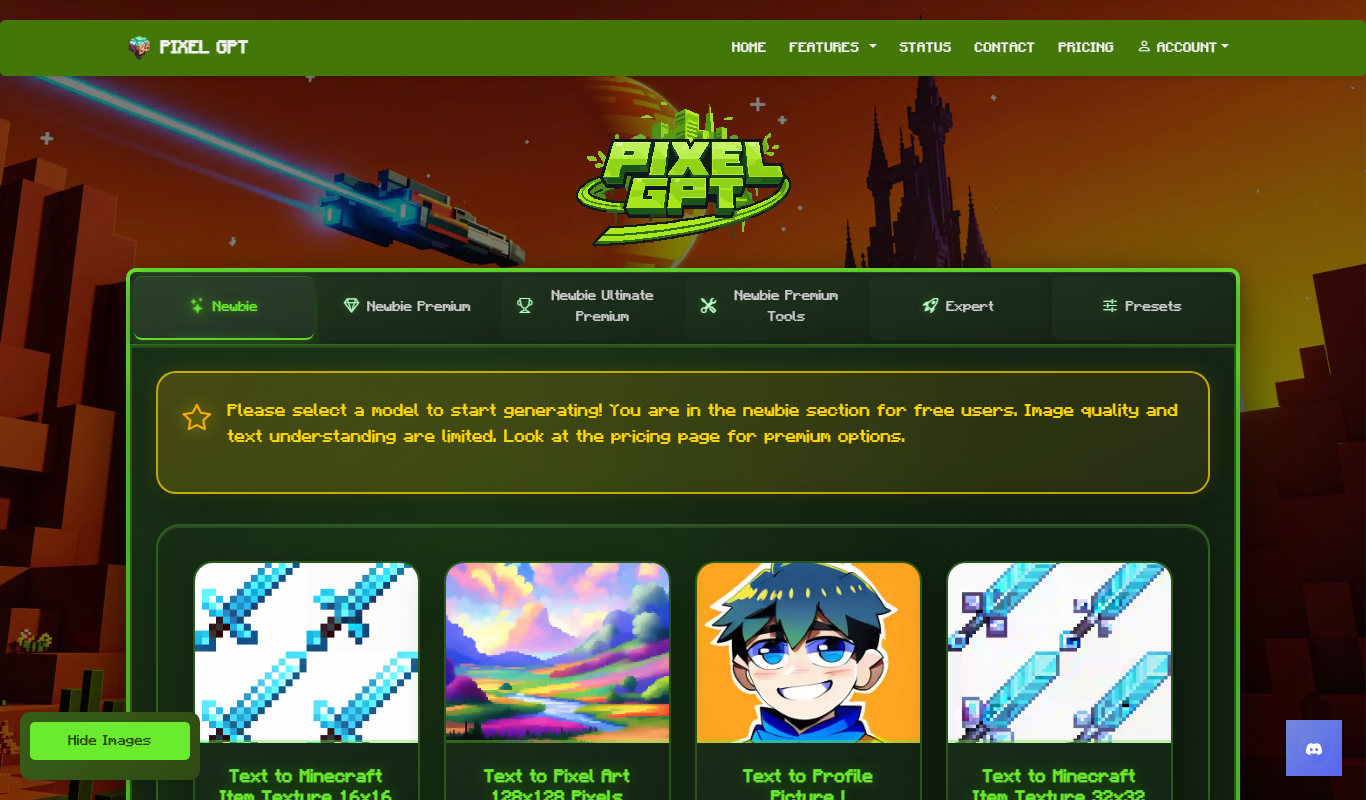
What Is Text-to-Image AI?
Text-to-Image AI refers to advanced machine learning models designed to create detailed and relevant images from written descriptions. By interpreting the semantic meaning of text prompts, these AI systems generate visuals that match the described scenes, objects, or concepts. This technology combines natural language processing with computer vision to bridge the gap between words and pictures, enabling users to produce customized artwork, product visuals, or creative content without manual design skills.
Why Is Text-to-Image AI Important?
Text-to-Image AI revolutionizes content creation by speeding up the process of generating visuals, reducing the need for specialized graphic design expertise. It empowers marketers, advertisers, and digital content creators to rapidly prototype ideas and produce unique images tailored to specific campaigns or narratives. Moreover, it opens new opportunities for personalization and creativity in branding, storytelling, and user engagement.
- Accelerates visual content generation for marketing and social media.
- Enables personalized and unique imagery without traditional design tools.
- Supports creative experimentation and rapid prototyping in digital projects.
Key Characteristics of Text-to-Image AI
- Natural Language Understanding: Ability to interpret complex textual descriptions accurately to guide image creation.
- Generative Capability: Produces novel images that don’t exist in a database but are synthesized based on input text.
- Style Flexibility: Can generate images in various artistic styles, from photorealistic to abstract illustrations.
How Text-to-Image AI Works (Step-by-Step)
- User inputs a detailed text description or prompt describing the desired image.
- The AI model processes the text, extracting key elements and context using natural language processing.
- The generative model synthesizes an image that visually represents the input description.
Real-World Examples of Text-to-Image AI
- Advertising Campaigns: Brands use text-to-image AI to quickly create tailored visuals for different target audiences without hiring designers for each variation.
- Content Creation Platforms: Bloggers and social media managers generate unique images to complement articles and posts, improving engagement and SEO.
Text-to-Image AI in SEO, Marketing, or Business Context
In marketing and SEO, Text-to-Image AI enhances content strategies by enabling the creation of on-demand, keyword-rich visuals that improve user experience and increase search engine rankings. Businesses can leverage this technology to produce targeted imagery that aligns with brand messaging and campaign goals, reducing costs and turnaround times while maintaining creative control.
Common Mistakes or Misunderstandings About Text-to-Image AI
- Assuming Text-to-Image AI can fully replace professional graphic designers without human oversight or refinement.
- Expecting perfect, highly detailed images from vague or insufficient text prompts.
Related Terms
- Generative Adversarial Networks (GANs)
- Natural Language Processing (NLP)
- Image Recognition AI
FAQs About Text-to-Image AI
Accuracy depends on the detail of the text prompt and the AI model’s training; more specific input yields better results.
It assists designers by speeding up initial drafts but usually requires human creativity and editing for final quality.
Summary
Text-to-Image AI is a powerful tool that transforms written descriptions into unique visual content, enhancing creative workflows and marketing strategies. By understanding natural language and generating images accordingly, it provides businesses and creators with a flexible, efficient way to produce personalized visuals that resonate with their audiences.