What Is Text-to-Image?
Text-to-Image refers to AI-driven systems that generate images based on written descriptions provided by users. By analyzing the input text, these models create visual representations that match the content, style, and context of the description. This process relies on advanced machine learning techniques, particularly deep neural networks trained on vast datasets of images paired with captions. The goal is to produce images that accurately reflect the semantic meaning of the text prompt, enabling users to create visuals without manual design skills.
Why Is Text-to-Image Important?
Text-to-Image technology democratizes visual content creation, making it accessible to those without graphic design expertise. It accelerates creative workflows, supports marketing and advertising efforts with quick image generation, and enables personalized content tailored to specific messages. As digital marketing increasingly relies on visual storytelling, Text-to-Image tools help businesses produce unique and engaging images that resonate with their audience.
- Enhances creative efficiency by automating image generation from text prompts.
- Supports personalized marketing campaigns with customized visuals.
- Expands accessibility to visual content creation for non-designers.
Key Characteristics of Text-to-Image
- AI-Powered Generation: Uses deep learning models like GANs or diffusion models to interpret text and create images.
- Semantic Understanding: Translates language nuances into visual elements, capturing details and context.
- Customizable Outputs: Allows users to influence style, composition, and content through detailed prompts.
How Text-to-Image Works (Step-by-Step)
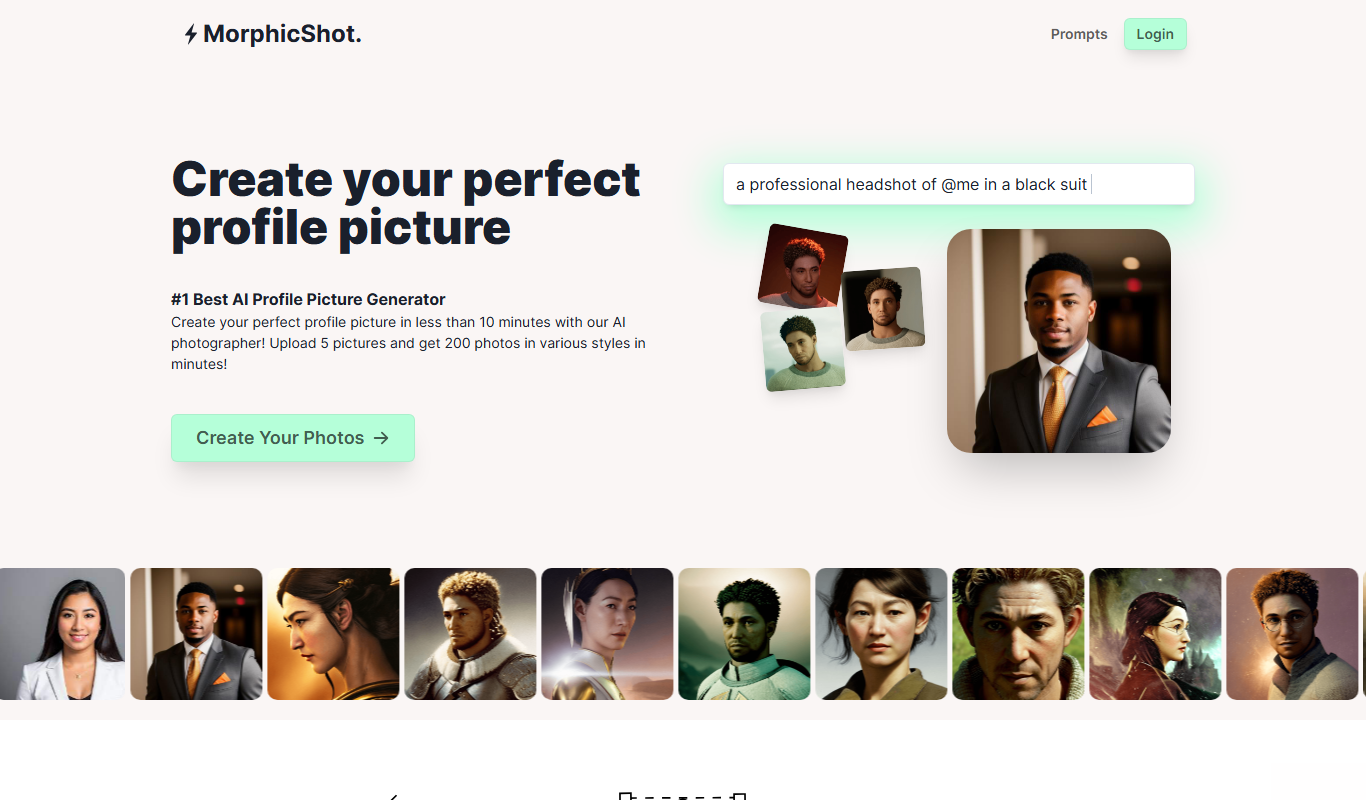
- User inputs a descriptive text prompt outlining the desired image.
- The AI model processes the text, understanding key objects, style, and context.
- The system generates an image that visually represents the textual description.
Real-World Examples of Text-to-Image
- Marketing Campaign Visuals: Brands generate unique images for social media ads based on campaign themes without hiring graphic designers.
- Content Creation for Blogs: Writers produce tailored illustrations to complement articles, improving reader engagement and SEO.
Text-to-Image in SEO, Marketing, or Business Context
In digital marketing, Text-to-Image enhances content strategies by enabling fast production of relevant visuals that improve user experience and increase engagement. SEO professionals benefit from unique images that can boost on-page SEO through optimized alt text and reduce reliance on stock photos, which often lack originality. Businesses use this technology to maintain brand consistency and quickly adapt visuals to emerging trends or campaigns.
Common Mistakes or Misunderstandings About Text-to-Image
- Expecting perfect, photorealistic images in every scenario—AI outputs can vary and sometimes require refinement.
- Assuming Text-to-Image replaces human creativity—it’s a tool to assist, not fully substitute, creative professionals.
Related Terms
- Generative Adversarial Networks (GANs)
- Artificial Intelligence
- Image Recognition
FAQs About Text-to-Image
Accuracy depends on the AI model and prompt quality, with some images closely matching descriptions but occasionally needing adjustments.
Yes, many platforms allow commercial use, but it’s important to review licensing terms and copyright policies.
Summary
Text-to-Image technology transforms written descriptions into visual content through AI, empowering marketers and creators to produce customized images quickly and efficiently. While it enhances creative workflows and marketing efforts, understanding its limitations ensures realistic expectations and optimal use in business strategies.