What Is Text-to-Image Synthesis?
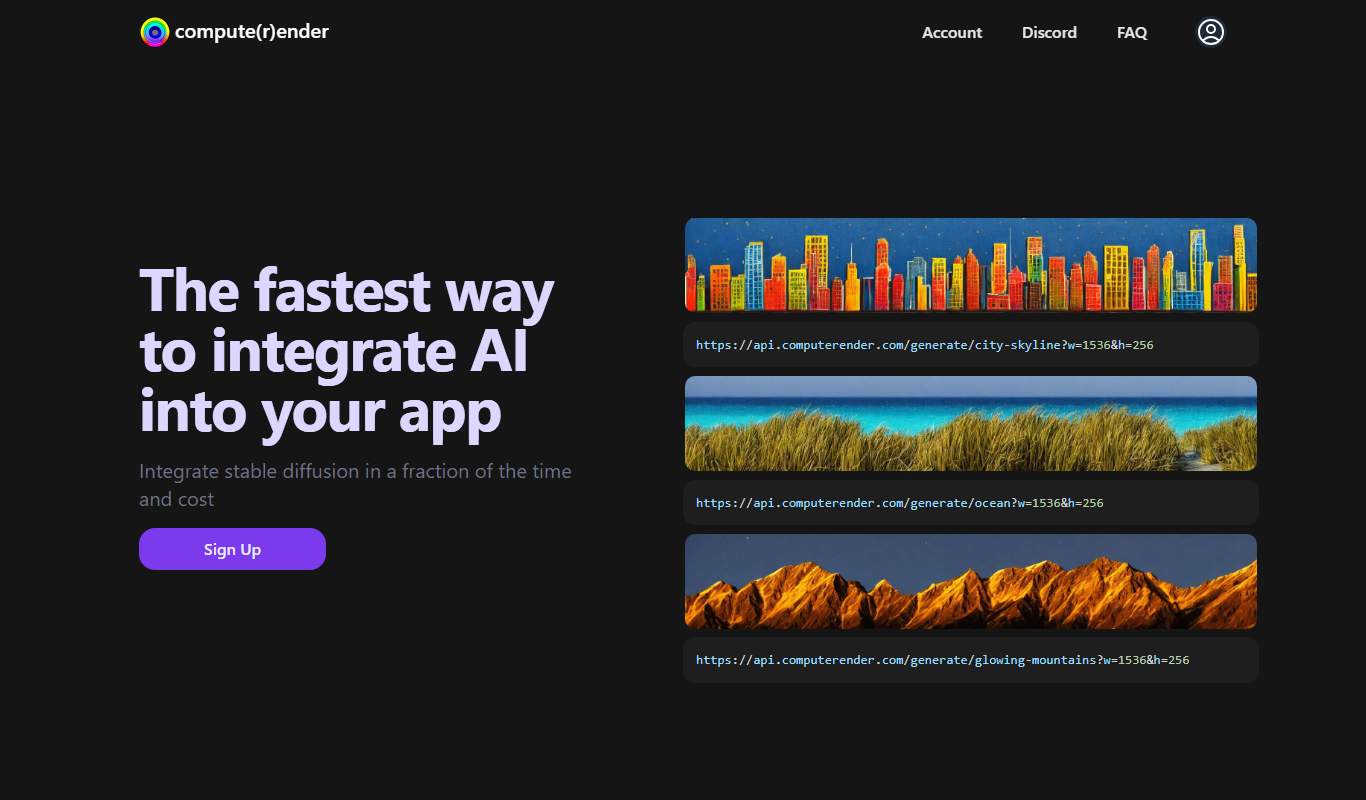
Text-to-Image Synthesis refers to the process where artificial intelligence models create images based on written descriptions. By interpreting the meaning of text inputs, these models generate corresponding visuals that represent the described scene or object. This technology blends natural language processing with computer vision, allowing machines to “imagine” pictures just from words, making it easier to visualize concepts without manual drawing or photography.
Why Is Text-to-Image Synthesis Important?
This technology bridges the gap between language and imagery, offering creative tools for designers, marketers, and content creators. It accelerates visual content production, reduces costs related to image creation, and opens new possibilities for personalized media. Businesses can rapidly prototype product visuals, enhance storytelling, and improve user engagement through custom images generated on demand.
- Enables rapid creation of unique, customized visuals from simple text prompts.
- Supports creative workflows by reducing reliance on stock photos or manual design.
- Drives innovation in marketing, advertising, and digital content production.
Key Characteristics of Text-to-Image Synthesis
- Natural Language Understanding: The system interprets detailed textual descriptions to capture the intended meaning and context.
- Image Generation Quality: Produces high-resolution and coherent images that accurately reflect the text input.
- Generative AI Models: Utilizes advanced deep learning architectures, such as Generative Adversarial Networks (GANs) or diffusion models, to create visuals.
How Text-to-Image Synthesis Works (Step-by-Step)
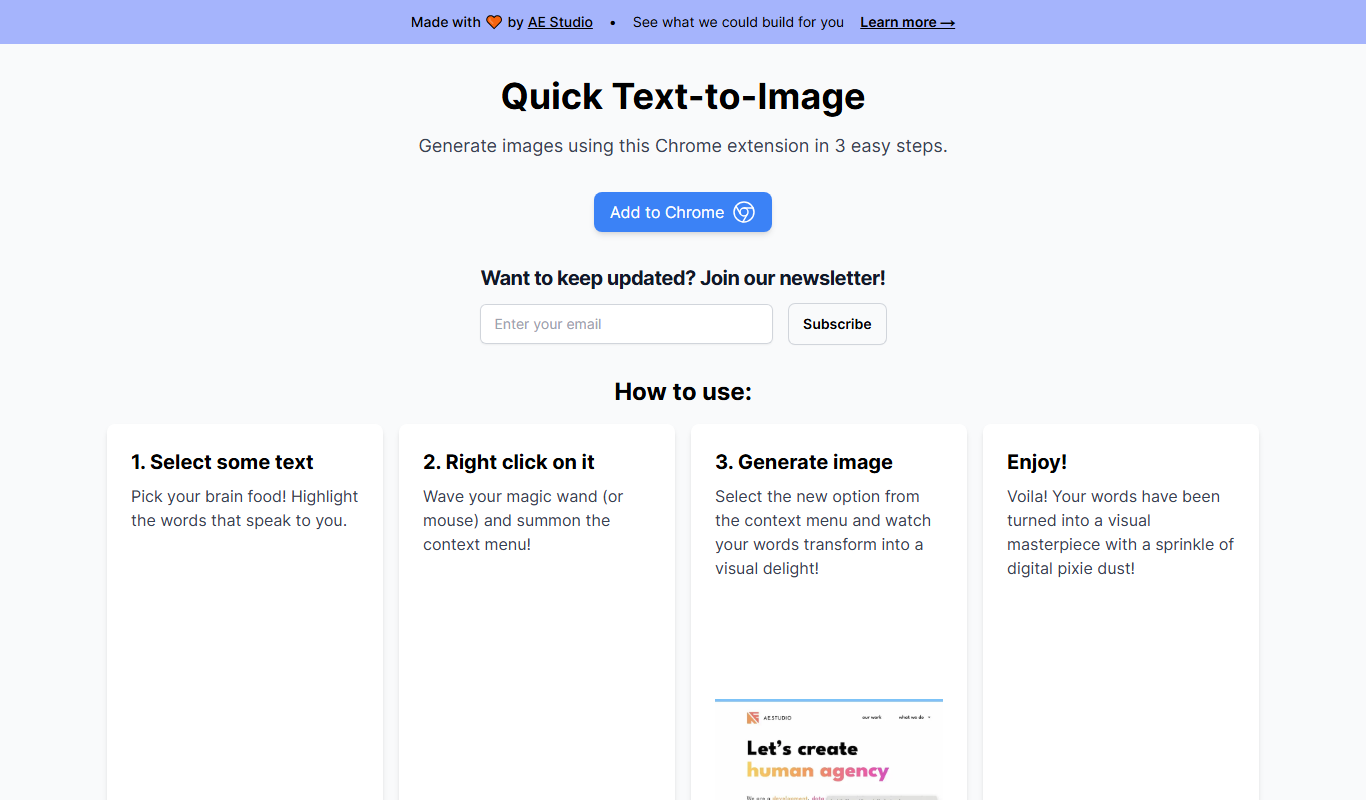
- The user inputs a descriptive text prompt explaining the desired image.
- The AI model processes the text to extract semantic meaning and relevant details.
- The model generates an image that visually represents the input description, often refining it through iterative steps to improve realism.
Real-World Examples of Text-to-Image Synthesis
- Marketing Campaign Visuals: Brands generate custom product images or themed artwork directly from marketing briefs to speed up campaign creation.
- Content Creation for Social Media: Influencers and creators produce unique imagery for posts without needing graphic design skills or expensive tools.
Text-to-Image Synthesis in SEO, Marketing, or Business Context
In SEO and digital marketing, Text-to-Image Synthesis aids in creating engaging visual content that enhances user experience and increases time spent on websites. Custom images aligned with content themes can improve search rankings by reducing bounce rates and increasing click-through rates. For businesses, it enables agile content production, supports brand storytelling, and personalizes customer interactions with tailored imagery generated on the fly.
Common Mistakes or Misunderstandings About Text-to-Image Synthesis
- Assuming the generated images are always perfect—images may require human review for quality and appropriateness.
- Believing it can replace all traditional design—it’s a tool to supplement creativity, not fully replace professional artists or photographers.
Related Terms
- Generative Adversarial Networks (GANs)
- Artificial Intelligence (AI)
- Computer Vision
FAQs About Text-to-Image Synthesis
It uses AI to automatically generate images from text descriptions rather than manual drawing or photography.
While versatile, it performs best with clear, descriptive inputs and may struggle with ambiguous or abstract prompts.
Summary
Text-to-Image Synthesis is a transformative AI technology that converts written descriptions into visual content, streamlining creative workflows and enhancing digital marketing strategies. By understanding language and generating images accordingly, it empowers businesses and creators to produce tailored visuals efficiently. While it complements traditional design methods, its adoption continues to grow as a powerful tool for innovation and engagement in the digital landscape.