What Is Text-to-Speech?
Text-to-Speech (TTS) is an assistive technology that reads digital text aloud. It takes plain text input and uses speech synthesis to produce an audio version of the text. TTS systems are designed to support users with disabilities, facilitate language learning, and enable hands-free use of devices. It is commonly used in applications like e-readers, virtual assistants, and language translation tools.
Why Is Text-to-Speech Important?
Text-to-Speech technology plays a crucial role in enhancing accessibility and user experience. It enables people with visual impairments to access written content and provides convenience for multitasking users. Additionally, TTS supports language education and improves communication efficiency.
- Improves accessibility for visually impaired users.
- Facilitates hands-free device interaction.
- Enhances language learning and education.
Key Characteristics of Text-to-Speech
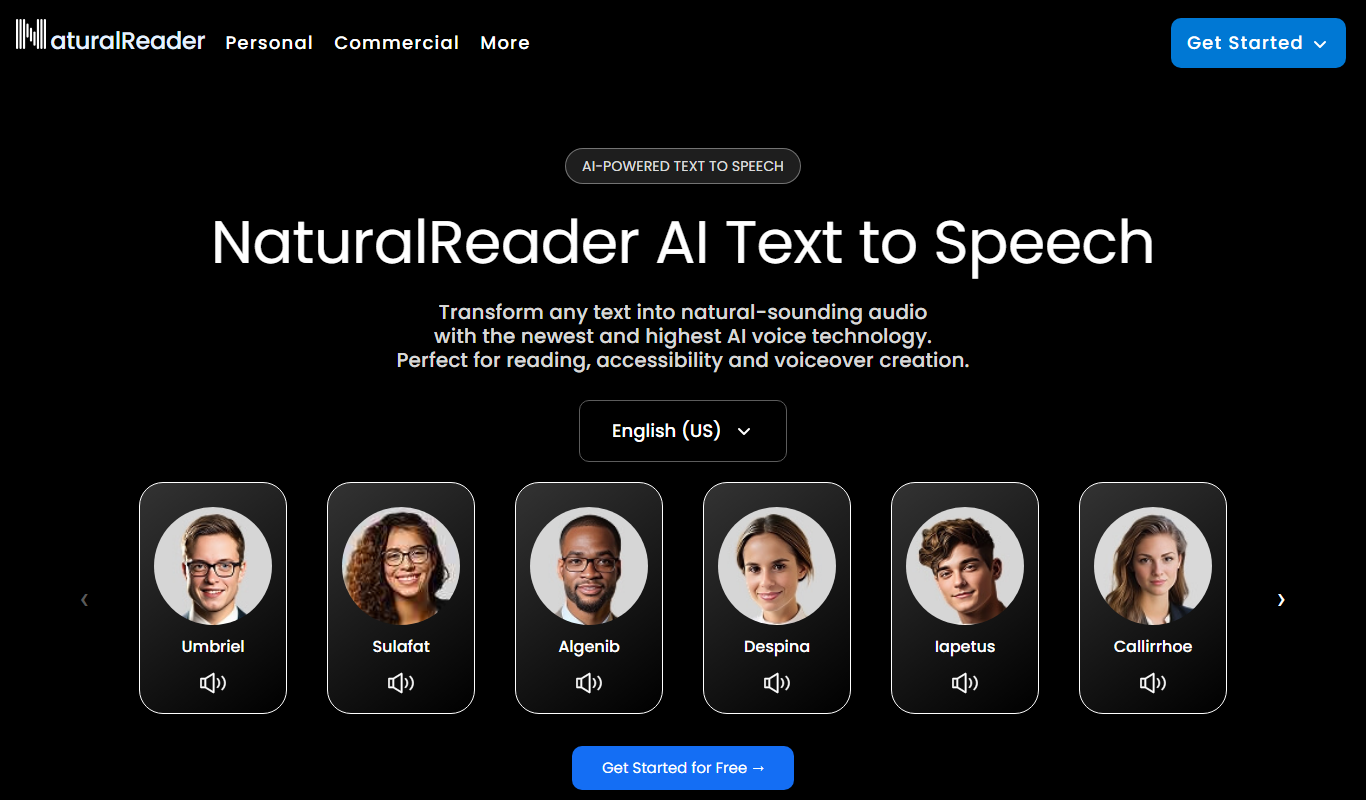
- Voice Variety: TTS systems offer different voice options, including gender, accent, and language choices.
- Customization: Users can adjust the speed and pitch of the voice to suit their preferences.
- Integration: TTS can be embedded in various applications like e-books, websites, and mobile apps.
How Text-to-Speech Works (Step-by-Step)
- The user inputs text into the TTS system.
- The system processes the text using natural language processing algorithms.
- The processed text is converted into audio output using speech synthesis.
Real-World Examples of Text-to-Speech
- Virtual Assistants: Devices like Amazon Alexa and Google Assistant use TTS to interact with users.
- Educational Tools: Language learning apps use TTS to help users practice pronunciation.
Text-to-Speech in SEO, Marketing, or Business Context
In SEO and marketing, Text-to-Speech technology enhances content accessibility, improving user engagement and retention. It allows businesses to reach a wider audience, including those who prefer auditory learning. TTS can also be used in customer service applications to provide information and support, boosting customer satisfaction.
Common Mistakes or Misunderstandings About Text-to-Speech
- Believing TTS can fully replace human interaction for all users.
- Assuming all TTS systems have the same voice quality and customization options.
Related Terms
FAQs About Text-to-Speech
Many devices, including smartphones, tablets, and computers, support TTS through built-in features or third-party apps.
TTS can improve accessibility, enhance customer service, and reach a broader audience, thus increasing engagement and satisfaction.
Summary
Text-to-Speech technology is a valuable tool that converts written text into audio, enhancing accessibility and usability across various applications. It is integral in supporting individuals with disabilities, facilitating language learning, and improving user engagement in business contexts. As TTS continues to evolve, its impact on digital communication and accessibility is likely to grow.