

From my experience with Three.js, I found it excels at making complex 3D graphics accessible to web developers without requiring deep WebGL expertise. After spending time with the library, I can say it’s particularly well-suited for developers aiming to create interactive 3D visualizations, games, or product showcases directly in the browser. However, there’s a trade-off: beginners may face a steep learning curve understanding 3D concepts and manual coding is necessary since no visual editor is provided. Overall, if you need a powerful, flexible JavaScript 3D library for web projects, Three.js delivers solid results with a strong community backing.
Three.js JavaScript 3D Library for Interactive Web Graphics and Animation
Three.js is an open-source JavaScript library that simplifies creating and displaying 3D graphics in web browsers using WebGL, enabling interactive 3D animations and visualizations.
- Best for
- Interactive 3D Web Visualizations
- Key capability
- Cross-Browser WebGL Support

Do you recommend this tool?
What is Three.js?
Three.js is an open-source JavaScript library that simplifies the creation and display of 3D graphics in web browsers using WebGL technology. It abstracts the complexities of WebGL, enabling developers to build rich, interactive 3D experiences without deep graphics programming knowledge.
Key features of Three.js
Three.js offers a comprehensive set of features including scene graph management, cameras, lights, materials, shaders, geometries, animations, and support for various 3D file formats. It enables real-time rendering of complex 3D scenes optimized for performance across devices.
Cross-Browser WebGL Support
Works seamlessly across modern browsers supporting WebGL for hardware-accelerated 3D graphics.
Extensive Geometry and Material Options
Includes primitives like cubes, spheres, and custom geometries with various material types.
Animation System
Supports keyframe animations, skeletal animations, and morph targets.
Loaders for 3D Formats
Built-in loaders for formats like OBJ, FBX, GLTF, enabling easy import of 3D assets.
Post-Processing Effects
Offers effects like bloom, depth of field, and shadows to enhance visual quality.
Pros and cons of Three.js
Pros
- Simplifies complex WebGL programming
- Large community and extensive documentation
- Supports a wide range of 3D features and effects
- Cross-platform and browser compatibility
- Open-source with active development
Cons
- Steep learning curve for beginners new to 3D concepts
- Performance depends on device GPU capabilities
- Requires manual coding; no visual editor included
Key use cases for Three.js
Interactive 3D Web Visualizations
Create immersive 3D scenes and visualizations directly in web browsers without plugins.
Game Development
Build browser-based 3D games leveraging hardware-accelerated graphics.
Data Visualization
Render complex datasets in 3D for enhanced understanding and interaction.
Product Showcases
Display 3D models of products interactively on e-commerce or marketing websites.
Educational Simulations
Develop interactive educational content with 3D models and animations.
How Three.js works
- 1
Include Three.js Library
Add the Three.js JavaScript library to your web project via CDN or local files.
- 2
Set Up Scene and Camera
Create a 3D scene and configure a camera to view the scene.
- 3
Add Objects and Lights
Define geometries, materials, meshes, and lighting to populate the scene.
- 4
Render and Animate
Use the renderer to display the scene and implement animation loops for interactivity.
Who is using Three.js
Web developers
Game developers
3D artists and designers
Data visualization specialists
Educators creating interactive content
Three.js pricing
Free
$0
Open-source and free to use under the MIT license.
Plans and prices are as published by the vendor and can change. Check the official site before you buy. Open the pricing page (opens in a new tab)
Frequently asked questions about Three.js
Yes, Three.js is open-source and free under the MIT license.
No, Three.js abstracts WebGL complexities, allowing you to create 3D graphics with JavaScript knowledge.
Yes, it supports modern mobile browsers with WebGL capabilities.
It supports multiple formats including OBJ, FBX, GLTF, STL, and Collada.
This tool is designed to help users accomplish its core tasks more efficiently. It is typically used by individuals or teams looking to improve productivity and workflow.
Some tools offer a free plan or trial with limited features. Availability can vary, so confirm on the official website.
It depends on your specific needs and how you plan to use the tool. The official website and documentation are the best sources for the latest details.
Yes, it can help with that use case depending on how you configure it and what features are available. You’ll get the best results with clear inputs and a defined goal.
Sign in to review this tool.
Sign In to ReviewNo reviews yet
Be the first to share how this tool worked for you.
Ask about pricing, limits, or how it compares — or answer someone else.
Sign In to AskNo questions yet
Have a question about using or paying for this tool? Be the first to ask.
Featured on TiorAI



More AI Animation Generator tools
Other tools in the same category, for when this one is not quite the fit.
Free
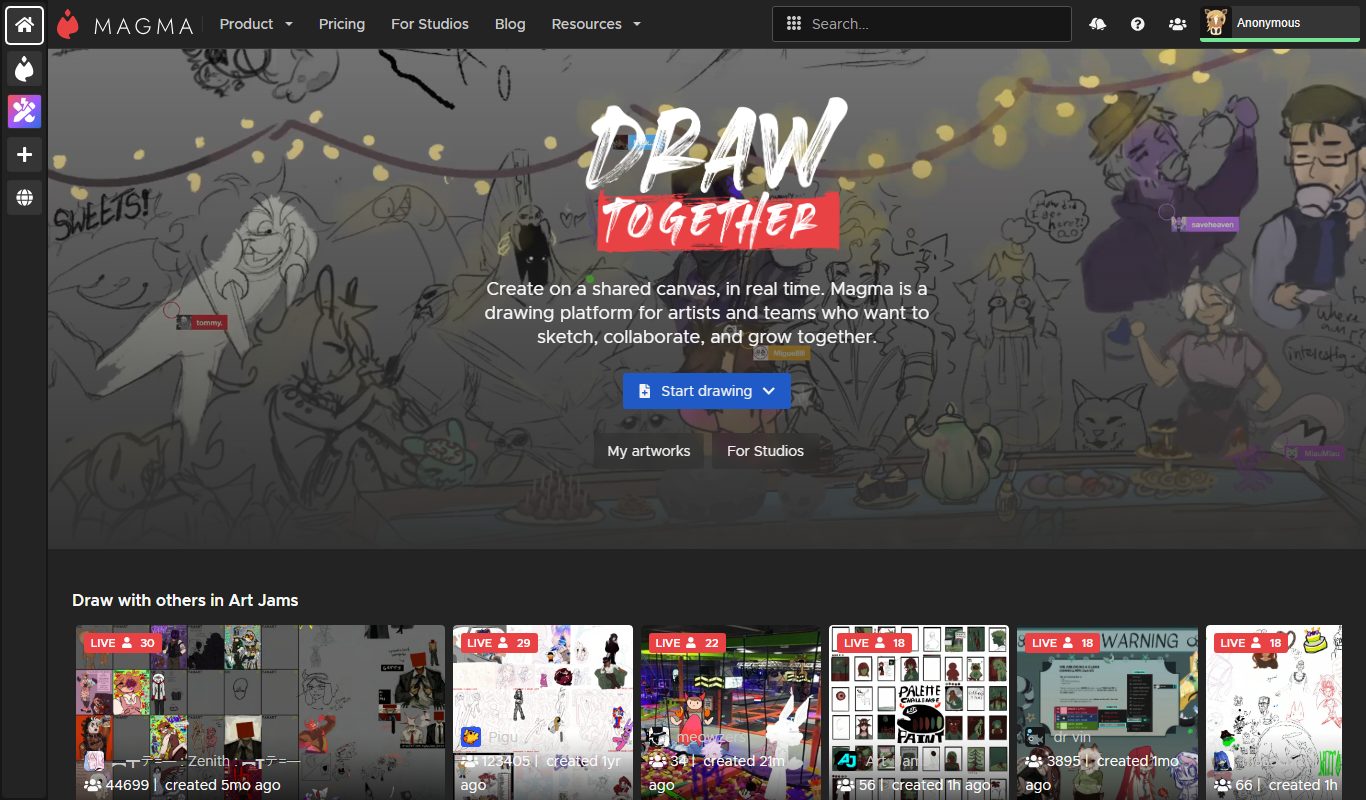
Aggie.io
Aggie.io is a free online collaborative drawing tool that allows multiple users to paint together in real time on a shared canvas without requiring installation or accounts.
Free Trial
PlantFactory
PlantFactory is a desktop 3D software tool that enables users to create, customize, and animate realistic plants using procedural modeling techniques, suitable for visual effects, games, and architectural projects.

Free
GIF Brewery
GIF Brewery is a Mac application that allows users to create, edit, and optimize animated GIFs from videos or screen recordings with advanced editing features and easy export options.

Freemium
DeepAR SDK
DeepAR SDK is a cross-platform augmented reality development kit that enables real-time face tracking, AI avatar creation, and 3D AR effects for mobile apps, games, and live streaming.
Custom Pricing
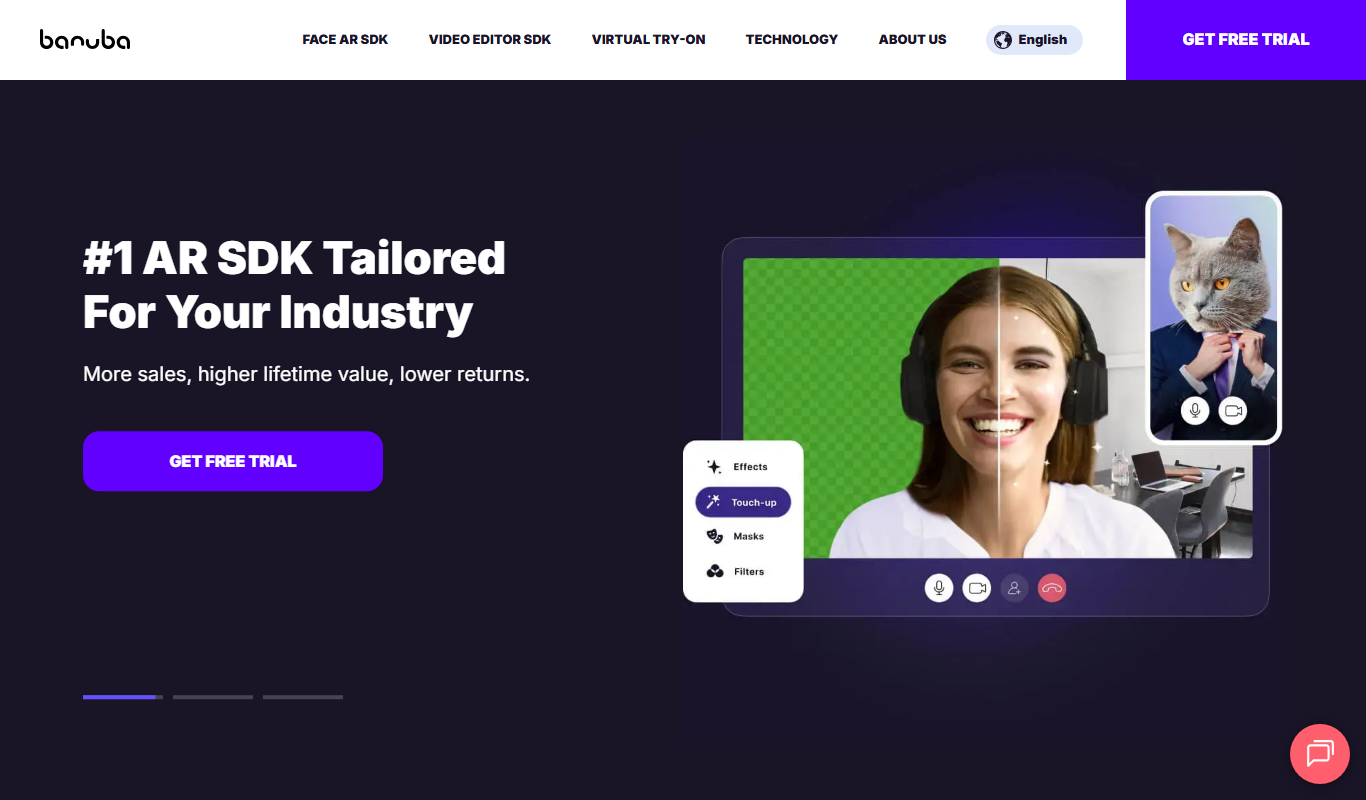
Banuba SDK
Banuba SDK is an AI-powered augmented reality software development kit that enables developers to integrate real-time face tracking, 3D masks, beauty filters, and avatar effects into mobile and desktop applications.

Contact for pricing
8i
8i is a platform that creates photorealistic 3D holograms and avatars using volumetric video technology for VR and AR experiences.

Freemium
Didimo
Didimo is an AI-powered platform that creates realistic 3D digital human avatars from a single photo, supporting gaming, VR, animation, and social media use cases.
Free
ImgPlay
ImgPlay is a mobile and web app that converts videos and photos into animated GIFs with editing tools like text, stickers, and filters for social media sharing.