

Freemium
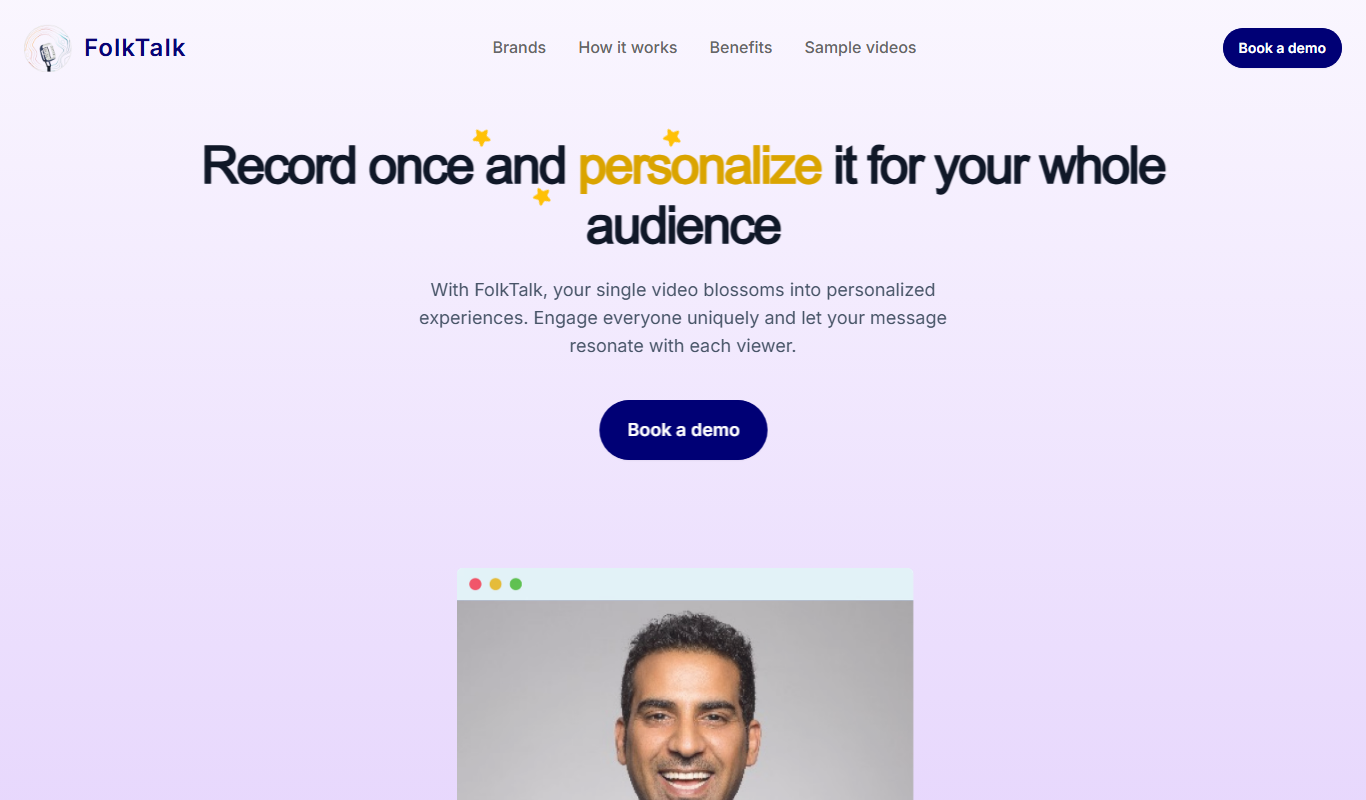
FolkTalk
FolkTalk is an AI chatbot platform that helps Indian businesses automate customer support and engagement with multilingual conversational AI.
Every AI tool we track, with pricing, platform and category on each entry. Filter down to a shortlist, then open the ones worth a closer look.
Filter 8,929 AI tools by pricing, category, platform and language.
FolkTalk is an AI chatbot platform that helps Indian businesses automate customer support and engagement with multilingual conversational AI.

ThinkTask is an AI-driven task management platform that helps teams and individuals prioritize and track tasks efficiently through intelligent automation and real-time collaboration.

ChattyUI is a private, open-source AI chat that runs LLMs such as Gemma, Llama and Mistral locally in your browser with WebGPU.

Langotalk is your personal AI language tutor: it adapts to you, correcting mistakes, filling gaps and guiding every session across 20+ languages.

SmallTalk2Me is free AI English speaking practice: a CEFR level test, IELTS simulators and mock job interviews with real-time feedback on fluency, pronunciation and grammar.

Thirsty Bot is an AI chatbot platform that helps businesses automate customer interactions on websites through customizable conversational agents, improving support and engagement.

ChattyDocs is an AI assistant for chatting with documents, PDFs, files or websites, managing datasets and talking with the data using Telegram.

Mocktalk is an AI conversational-based job interviewer: master the job interview process with conversational AI and focus on practicing, not stressing over the details.

TrainMyAI implements an AI chatbot with RAG (retrieval augmented generation) for your private content, with a web interface, WhatsApp integration and a private API.

Deep English is an online platform providing immersive audio lessons and exercises designed to help intermediate and advanced learners improve English fluency, pronunciation, and listening comprehension through self-paced study.
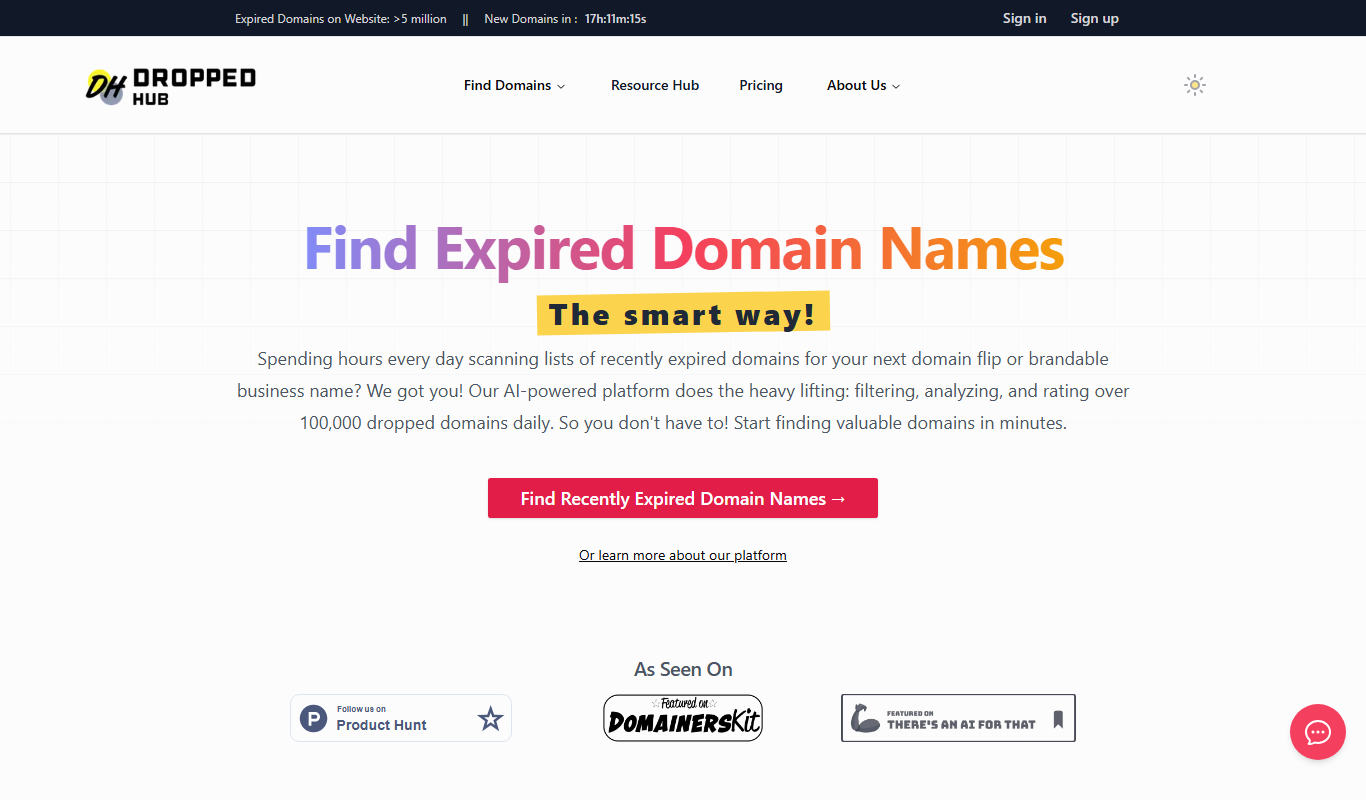
DroppedHub is an AI-powered domain analysis tool that rates every expired domain, so you can find, filter, sort, catch and register available domains.
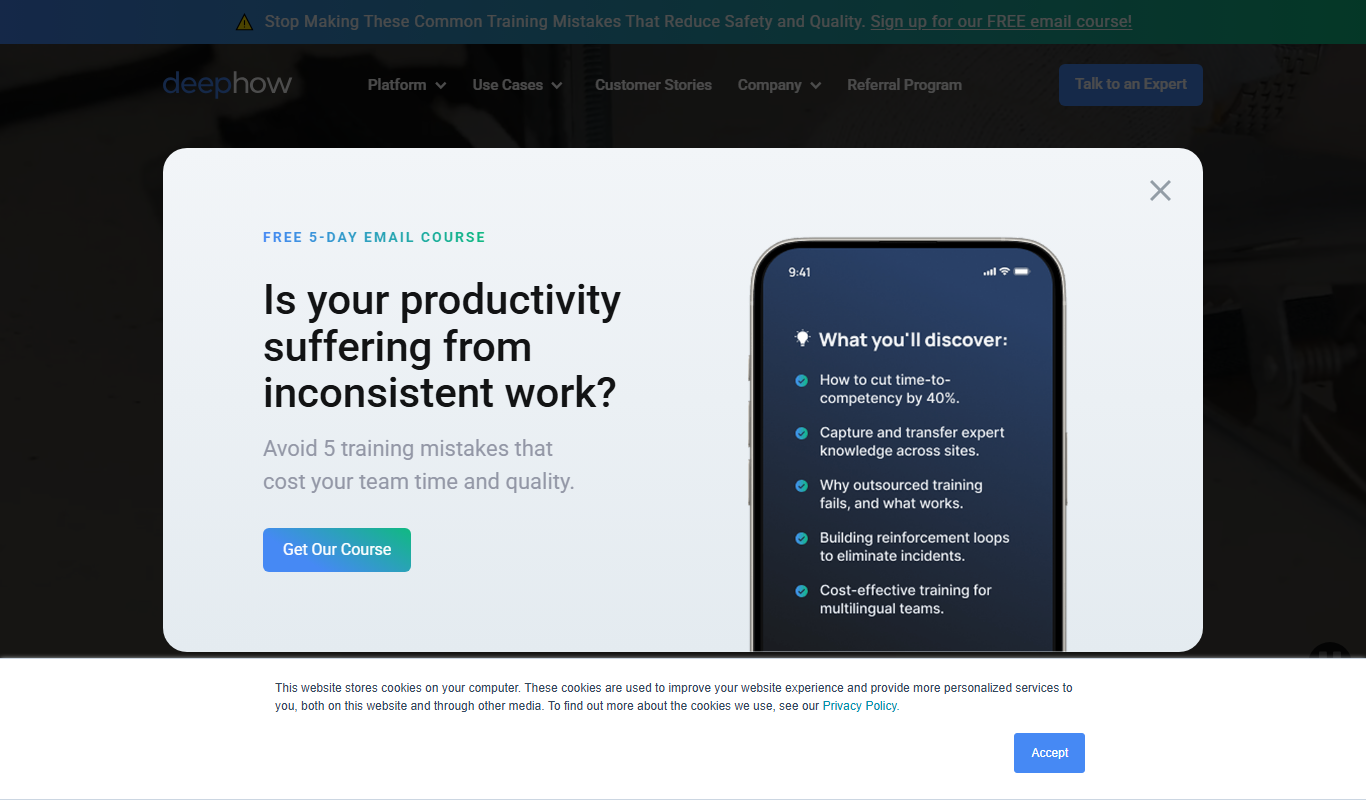
DeepHow captures expert knowledge, guides workers and verifies task execution in real time.
Page 472 of 745
Ten tools per shortlist, ranked, for when a category is still too many results.
Still deciding
Pricing, supported platforms and what each one is actually good at, laid out in one table. 764 comparisons are written and ready.
Browse comparisonsComparable tools for the products people already use.
Every one of the 8,929 entries here carries the same fields: what the tool does, what it costs, which platforms it runs on, and which categories it belongs to. That is what makes filtering across the whole catalogue possible rather than decorative.
The catalogue is not the point on its own; competitors list the same tools. What is worth your time is what sits on top of it: comparisons that commit to a recommendation, alternative sets that are genuinely comparable, and entries that get corrected when a vendor changes its pricing.
Start from a category rather than the full list: the category index above jumps straight into the twelve largest ones. From there, use the pricing shortcuts to drop anything outside your budget, then open the three or four entries that look closest and compare them side by side.
Free means there is a usable tier at no cost with no time limit. Freemium means a free tier exists but the useful features sit behind a paid plan. Free trial means paid-only after a fixed evaluation window. Subscription means recurring billing with no free tier. Labels come from the vendor and are re-checked when a listing is updated.
Yes. Category, pricing, tech stack, language and platform stack together, and every combination has its own URL, so a filtered view can be bookmarked or shared. Active filters appear above the results and can be removed one at a time.
Around 8% of entries have no captured screenshot, usually because the tool sits behind a login or the site blocks automated capture. Those entries show the tool's initial instead. It is not a signal about the tool's quality.
Newest first, so the front of the directory reflects what has recently shipped. Switch the sort to Top Rated for the highest-scoring entries, or Most Popular to order by real visitor interest across views and outbound clicks.
An alternatives page answers "what else does this job?" and lists comparable tools for one product. A comparison page takes two named tools and works through pricing, capability and fit to reach a recommendation. Both are linked from every tool entry.