


Free Trial
FoxyApps
FoxyApps is a no-code platform to build, host and monetize AI tool sets for a niche audience.
Every AI tool we track, with pricing, platform and category on each entry. Filter down to a shortlist, then open the ones worth a closer look.
Filter 8,929 AI tools by pricing, category, platform and language.
FoxyApps is a no-code platform to build, host and monetize AI tool sets for a niche audience.

Viralbot is an automatic short-form video editor that turns raw footage into polished videos with captions and B-roll for Shorts, Reels and TikTok.

Vert is a no-code website builder and lead management suite for small businesses, with forms, CRM and task management.
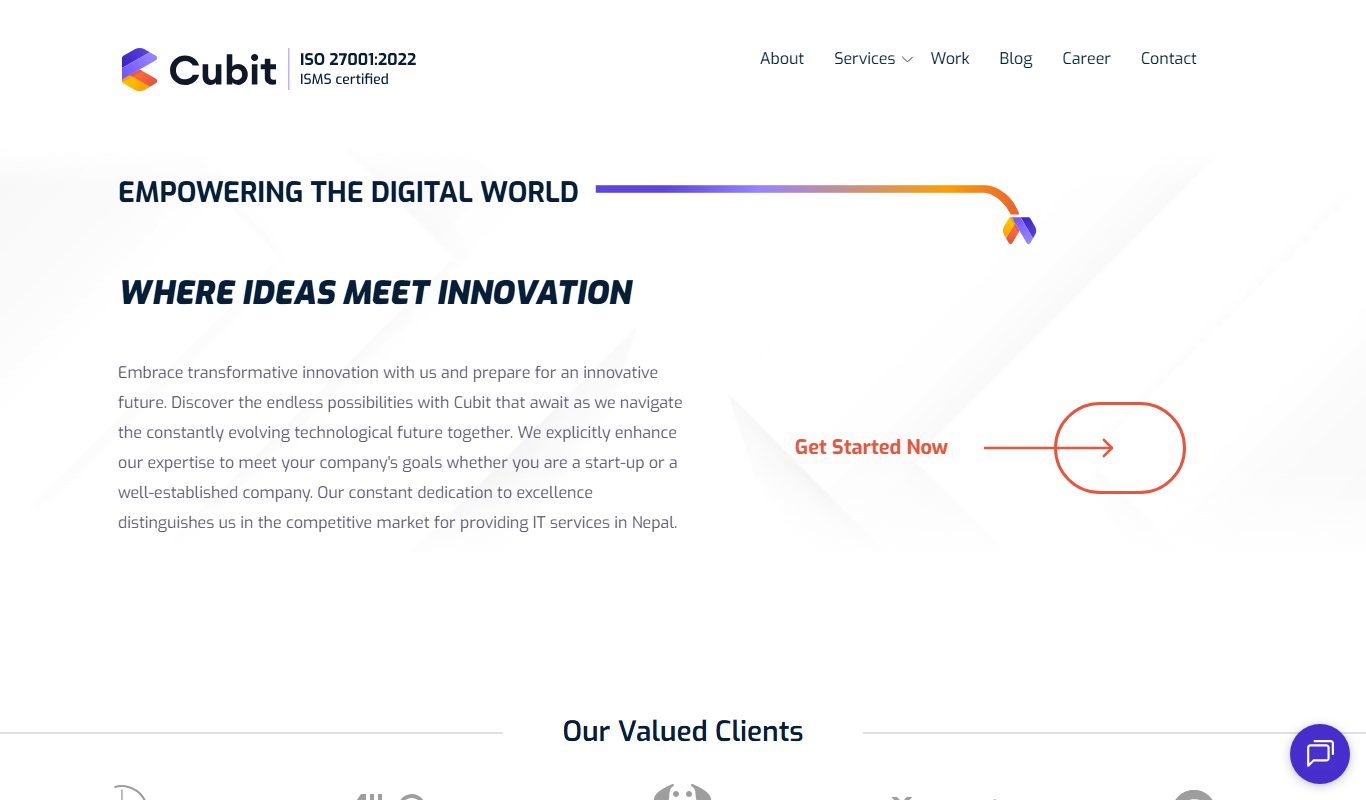
Cubit is an IT services company in Nepal for websites, software, mobile apps, UI UX, branding, digital marketing and AI chatbots.

MyItura is a digital health platform in Nigeria for at-home lab tests, online doctor consultations, medication delivery and AI health guidance.
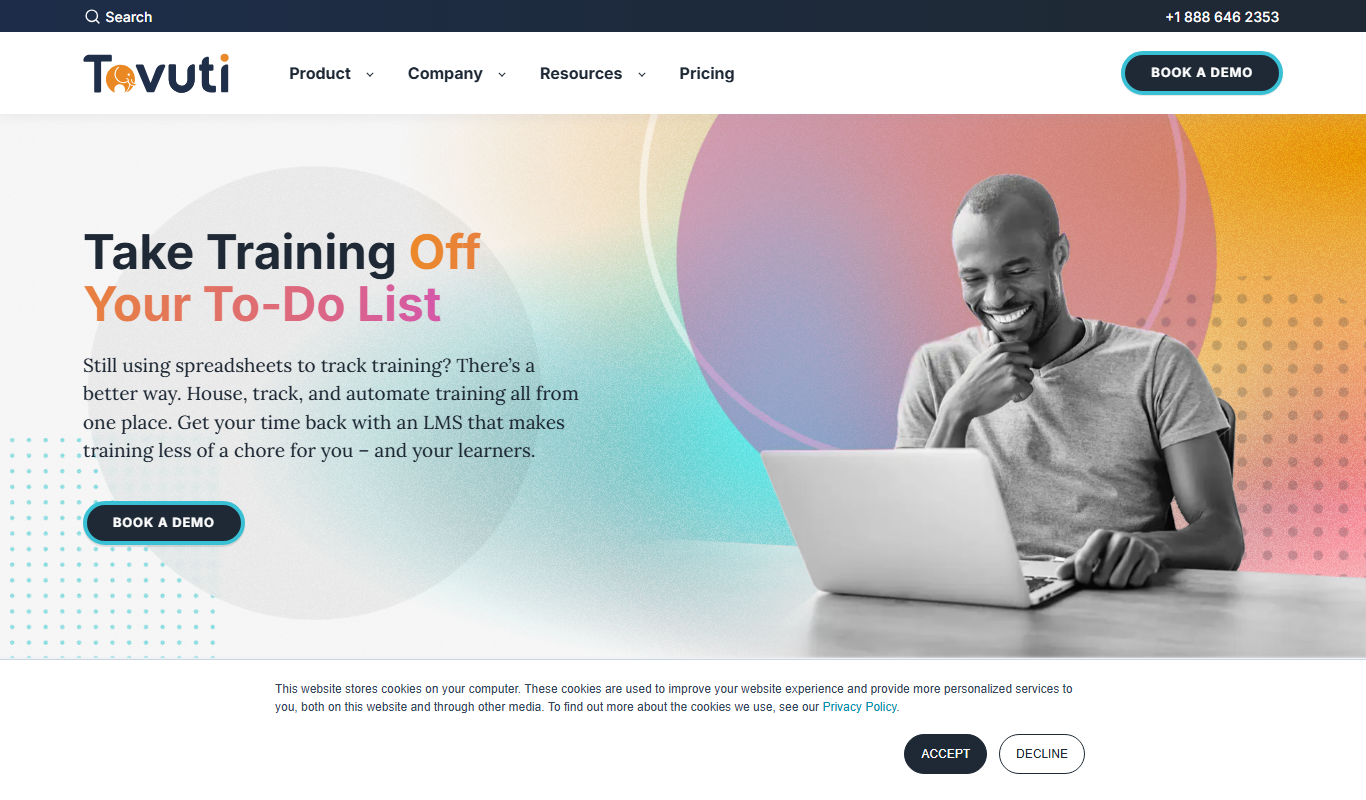
Tovuti LMS is a cloud-based learning management system designed for creating, delivering, and tracking online training with features like course building, gamification, and reporting.

AI Code Translator is a web-based tool that uses artificial intelligence to automatically translate source code between multiple programming languages, helping developers save time and reduce errors.

My Speaking Score is a TOEFL Speaking practice tool with AI scoring aligned to the ETS rubric, rich feedback and instant results.

Babylon Voice is an AI-powered voice platform that integrates GPT conversational AI with VoiceID biometric authentication to enable secure and natural voice interactions across web and mobile platforms.

Dubformer is an AI dubbing studio with phrase-level control in 140+ languages.

izTalk is a translation app that translates calls in real time, translates chat messages and offers an AI voice clone option.

Talkpal is an AI language learning app for speaking practice in 130+ languages, with real conversations in a natural AI voice.
Page 390 of 591
Ten tools per shortlist, ranked, for when a category is still too many results.
Still deciding
Pricing, supported platforms and what each one is actually good at, laid out in one table. 764 comparisons are written and ready.
Browse comparisonsComparable tools for the products people already use.
Every one of the 8,929 entries here carries the same fields: what the tool does, what it costs, which platforms it runs on, and which categories it belongs to. That is what makes filtering across the whole catalogue possible rather than decorative.
The catalogue is not the point on its own; competitors list the same tools. What is worth your time is what sits on top of it: comparisons that commit to a recommendation, alternative sets that are genuinely comparable, and entries that get corrected when a vendor changes its pricing.
Start from a category rather than the full list: the category index above jumps straight into the twelve largest ones. From there, use the pricing shortcuts to drop anything outside your budget, then open the three or four entries that look closest and compare them side by side.
Free means there is a usable tier at no cost with no time limit. Freemium means a free tier exists but the useful features sit behind a paid plan. Free trial means paid-only after a fixed evaluation window. Subscription means recurring billing with no free tier. Labels come from the vendor and are re-checked when a listing is updated.
Yes. Category, pricing, tech stack, language and platform stack together, and every combination has its own URL, so a filtered view can be bookmarked or shared. Active filters appear above the results and can be removed one at a time.
Around 8% of entries have no captured screenshot, usually because the tool sits behind a login or the site blocks automated capture. Those entries show the tool's initial instead. It is not a signal about the tool's quality.
Newest first, so the front of the directory reflects what has recently shipped. Switch the sort to Top Rated for the highest-scoring entries, or Most Popular to order by real visitor interest across views and outbound clicks.
An alternatives page answers "what else does this job?" and lists comparable tools for one product. A comparison page takes two named tools and works through pricing, capability and fit to reach a recommendation. Both are linked from every tool entry.