

From my experience with Aseprite, it stands out as a focused and powerful pixel art editor tailored for game developers and digital artists working with 2D sprites. The frame-by-frame animation tools and tilemap support make it especially valuable for creating game assets efficiently. While it lacks a free version and mobile support, its one-time purchase model and cross-platform availability provide great value. If you are serious about pixel art and sprite animation, Aseprite offers a professional-grade environment that balances usability with depth.
Aseprite Pixel Art Editor for Animated Sprites and Game Graphics
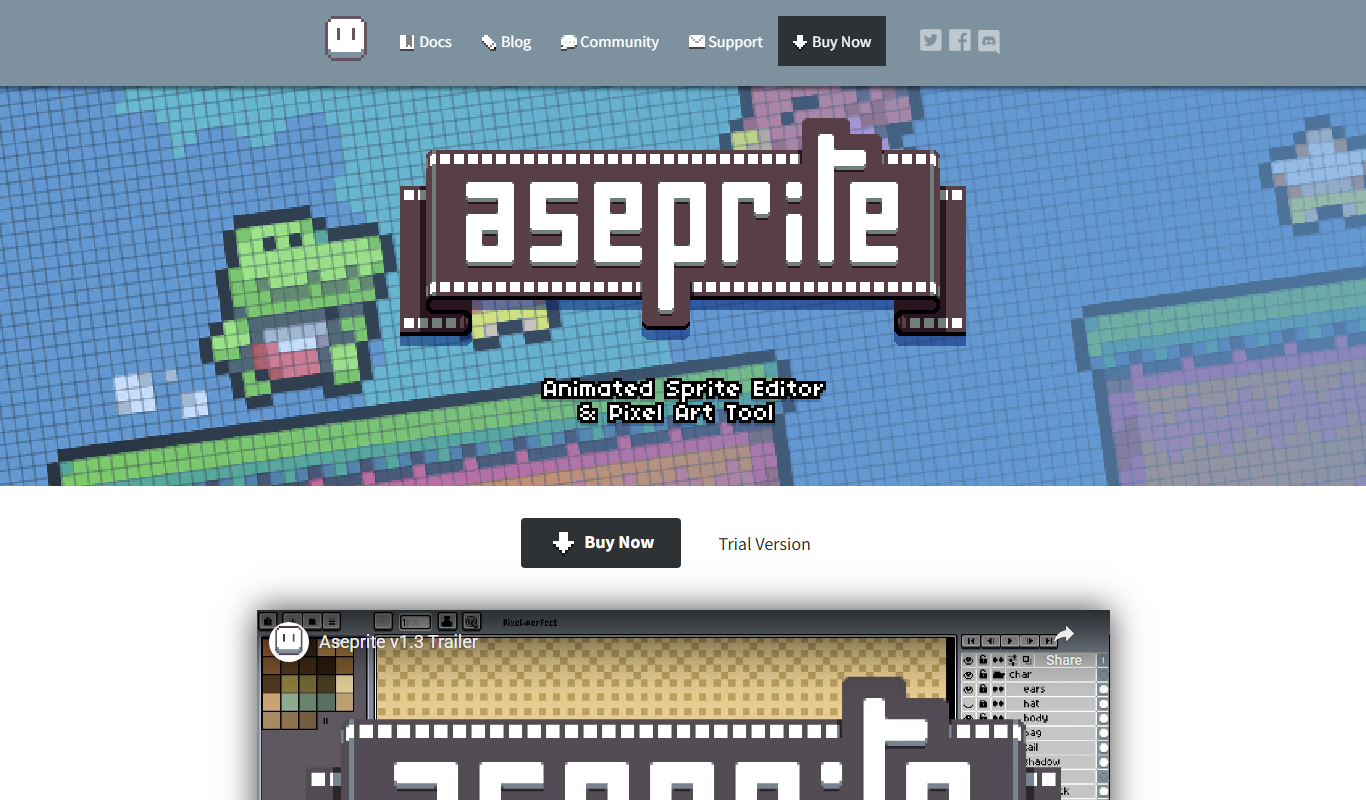
Aseprite is a pixel art editor specialized in creating and animating 2D sprites for games, offering tools like layers, onion skinning, and tilemap editing.
- Best for
- Pixel Art Creation
- Key capability
- Frame-by-Frame Animation
Do you recommend this tool?
What is Aseprite?
Aseprite is a specialized pixel art editor designed for creating and animating 2D sprites and pixel graphics. It provides artists and game developers with tools tailored to pixel-level editing, frame-by-frame animation, and exporting assets optimized for games and digital projects.
Key features of Aseprite
Aseprite offers a comprehensive suite of pixel art tools including layers, onion skinning for animation, customizable palettes, tilemap support, and export options for sprite sheets and animated GIFs. Its interface is optimized for pixel precision and workflow efficiency.
Frame-by-Frame Animation
Create detailed animations with onion skinning and timeline controls.
Layer Support
Organize artwork with multiple layers including normal, group, and tilemap layers.
Palette Control
Manage and customize color palettes to maintain consistent color usage.
Tilemap Mode
Design tilemaps for game levels with specialized editing tools.
Export Options
Export animations and sprites in various formats including PNG, GIF, and sprite sheets.
Pros and cons of Aseprite
Pros
- Specialized tools for pixel art and animation
- Cross-platform support for Windows, macOS, and Linux
- One-time affordable purchase without subscription
- Active community and extensive tutorials
- Supports tilemaps and palette management
Cons
- No free version available
- Limited vector or high-resolution graphic support
- No mobile or web app versions
Key use cases for Aseprite
Pixel Art Creation
Design and edit pixel art graphics for games, icons, and digital art projects.
Sprite Animation
Create frame-by-frame animations for characters, objects, and effects in 2D games.
Game Asset Design
Develop and export optimized assets for use in game engines and interactive media.
Tilemap Editing
Build and edit tilemaps for level design and environment creation in pixel art style.
Palette Management
Manage and customize color palettes to maintain consistent art style and color usage.
How Aseprite works
- 1
Download and Install
Purchase and download Aseprite from the official website, then install it on your computer.
- 2
Create or Import Artwork
Start a new pixel art project or import existing images to edit and animate.
- 3
Use Pixel Art Tools
Utilize drawing tools, layers, and palettes to create detailed pixel art.
- 4
Animate Sprites
Create frame-by-frame animations using the timeline and onion skinning features.
- 5
Export Assets
Export your artwork as sprite sheets, GIFs, or individual frames for use in games or other projects.
Who is using Aseprite
Indie game developers
Pixel artists and animators
Game asset creators
Digital artists focusing on 2D sprites
Hobbyists learning pixel art
Aseprite pricing
One-time Purchase
$19.99
Full access to Aseprite with all features and updates.
Plans and prices are as published by the vendor and can change. Check the official site before you buy. Open the pricing page (opens in a new tab)
Frequently asked questions about Aseprite
Yes, Aseprite has an intuitive interface and many tutorials available, making it accessible for beginners.
Aseprite supports Windows, macOS, and Linux platforms.
Yes, it includes frame-by-frame animation tools with onion skinning and timeline editing.
No, Aseprite is a paid software, but the cost is a one-time purchase.
This tool is designed to help users accomplish its core tasks more efficiently. It is typically used by individuals or teams looking to improve productivity and workflow.
Some tools offer a free plan or trial with limited features. Availability can vary, so confirm on the official website.
Yes, it can help with that use case depending on how you configure it and what features are available. You’ll get the best results with clear inputs and a defined goal.
Yes, it can help with that use case depending on how you configure it and what features are available. You’ll get the best results with clear inputs and a defined goal.
Sign in to review this tool.
Sign In to ReviewNo reviews yet
Be the first to share how this tool worked for you.
Ask about pricing, limits, or how it compares — or answer someone else.
Sign In to AskNo questions yet
Have a question about using or paying for this tool? Be the first to ask.
Featured on TiorAI



Alternative Tools
Explore similar AI tools that might fit your needs

Free
Piskel
Piskel is a free, web-based pixel art editor designed for creating static pixel images and animated sprites with features like layers, frames, and onion skinning.
More AI Animation Generator tools
Other tools in the same category, for when this one is not quite the fit.
Free
Aggie.io
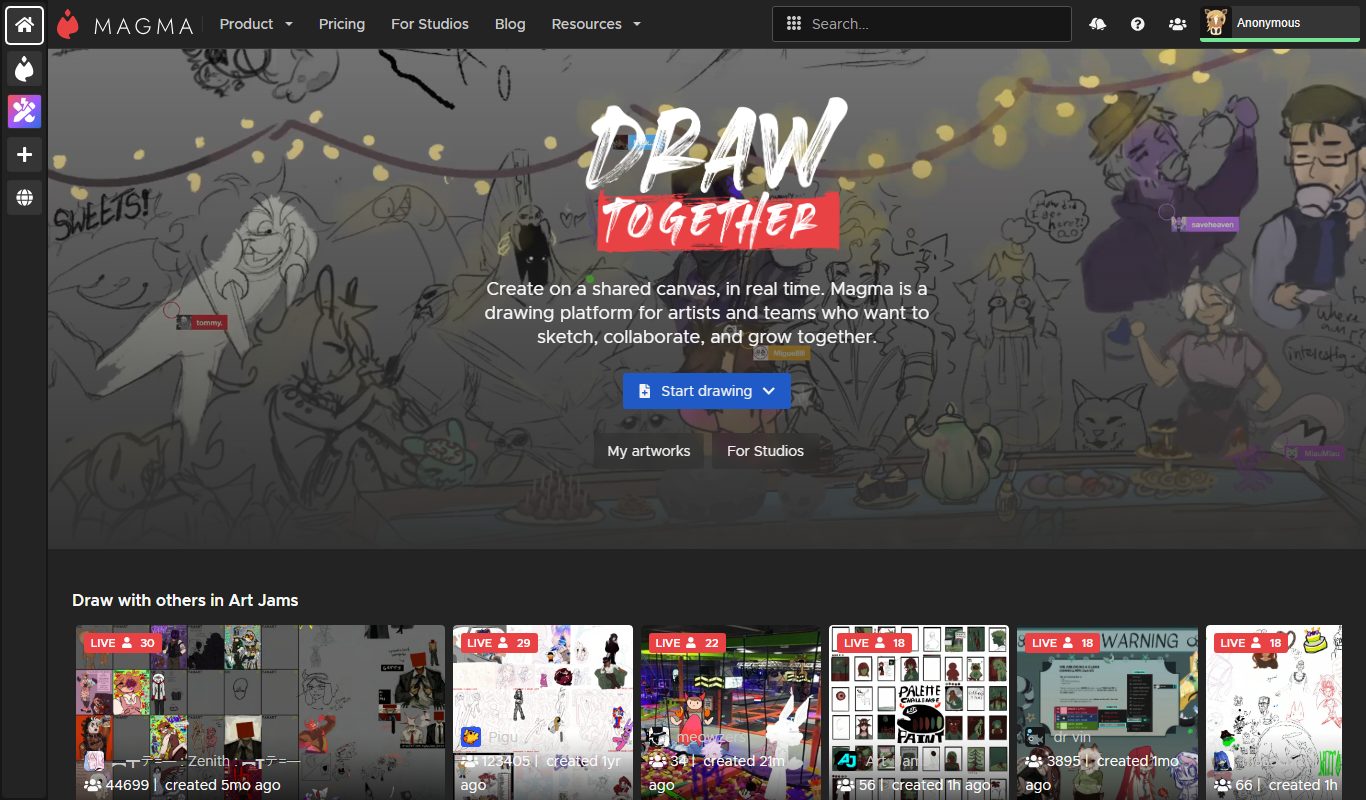
Aggie.io is a free online collaborative drawing tool that allows multiple users to paint together in real time on a shared canvas without requiring installation or accounts.
Free Trial
PlantFactory
PlantFactory is a desktop 3D software tool that enables users to create, customize, and animate realistic plants using procedural modeling techniques, suitable for visual effects, games, and architectural projects.

Free
GIF Brewery
GIF Brewery is a Mac application that allows users to create, edit, and optimize animated GIFs from videos or screen recordings with advanced editing features and easy export options.

Freemium
DeepAR SDK
DeepAR SDK is a cross-platform augmented reality development kit that enables real-time face tracking, AI avatar creation, and 3D AR effects for mobile apps, games, and live streaming.
Custom Pricing
Banuba SDK
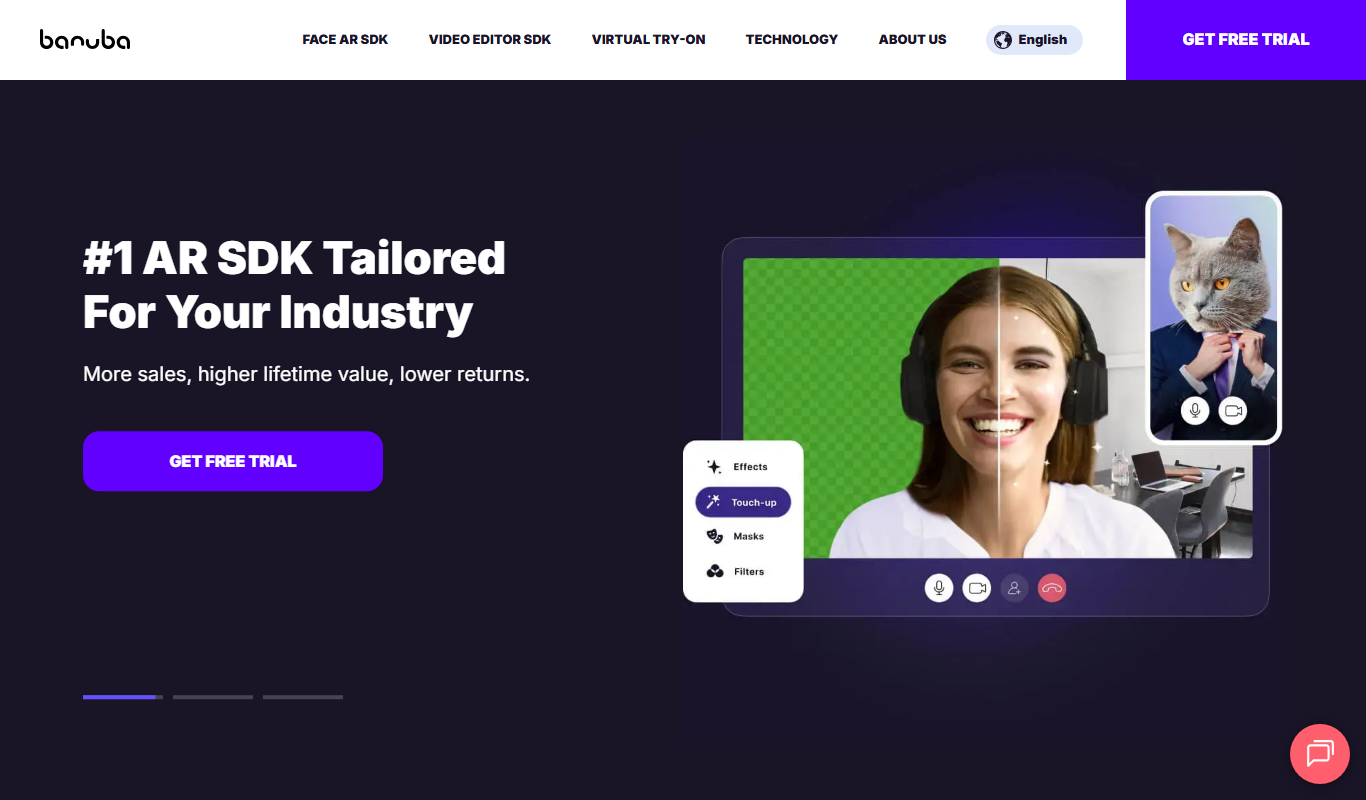
Banuba SDK is an AI-powered augmented reality software development kit that enables developers to integrate real-time face tracking, 3D masks, beauty filters, and avatar effects into mobile and desktop applications.

Contact for pricing
8i
8i is a platform that creates photorealistic 3D holograms and avatars using volumetric video technology for VR and AR experiences.

Freemium
Didimo
Didimo is an AI-powered platform that creates realistic 3D digital human avatars from a single photo, supporting gaming, VR, animation, and social media use cases.
Free
ImgPlay
ImgPlay is a mobile and web app that converts videos and photos into animated GIFs with editing tools like text, stickers, and filters for social media sharing.