

Actcast edge AI IoT platform by Idein
Actcast is an IoT platform that runs deep learning inference on edge devices such as Raspberry Pi and links the results to web services via webhooks.
- Best for
- Physical world sensing
- Key capability
- Deep learning inference on edge devices
Save actcast.io, follow its updates and vote on it — everything stays in your account.
Sign in or create a free account
What is actcast.io?
Actcast is an IoT platform service from Idein that links events and data in the physical world to the Web. Deep learning inference runs on edge devices such as the Raspberry Pi (an Act, for example detecting a human face), and the results are sent to web services or a phone via webhook (a Cast).
Key features of actcast.io
Actcast runs deep learning inference on edge devices, starting with the Raspberry Pi, and sends the results to web services via webhooks. Edge computing reduces data transfer and server costs and the risk of leaking private or confidential information.
Deep learning inference on edge devices
Runs deep learning inference on edge devices to obtain physical world information.
Act and Cast
An Act detects something, such as a human face; a Cast notifies web services or your phone via webhook.
Raspberry Pi support
The Raspberry Pi is the first supported edge device.
Edge computing savings
Reduces costs for data transfer and servers and the leakage risk of private and confidential information.
CLI and API Access
Manage your automation projects via command-line tools and RESTful APIs.
Pros and cons of actcast.io
Pros
- Reduces data transfer and server costs through edge computing
- Lowers the leakage risk of private and confidential information
- Demo applications are free for all users
- No server management required
- CLI and API for flexible management
Cons
- No public prices; the platform usage fee unit price is available from sales
- Smaller community compared to larger serverless platforms
- Documentation mainly in Japanese and English
Key use cases for actcast.io
Physical world sensing
Obtain physical world information with deep learning inference and link it to the Web to build IoT solutions.
Detection alerts
Detect a human face and notify your phone via webhook.
Publishing applications
Application development vendors publish applications on Actcast and are billed monthly.
Integration with Cloud Services
Connect and automate tasks across various cloud services and APIs seamlessly.
How actcast.io works
- 1
Sign up and create a group
Sign up for Actcast and create a group.
- 2
Set up devices
Prepare a Raspberry Pi with the official camera module and set it up as a device.
- 3
Install an Act
Install an Act that runs detection on the device.
- 4
Connect a Cast
Use a Cast to notify web services via webhook.
Who is using actcast.io
actcast.io pricing
Demo applications
Free
All users can use demo applications for free.
Platform usage fee
Contact sales
Monthly subscription billed to application vendors: the maximum simultaneous usage count of each application times the platform usage fee unit price.
Plans and prices are as published by the vendor and can change. Check the official site before you buy. Open the pricing page (opens in a new tab)
Frequently asked questions about actcast.io
An IoT platform service that links events and data in the physical world to the Web with deep learning inference on edge devices.
The Raspberry Pi is the first supported edge device.
It uses a monthly subscription model billed to application development vendors, based on how many devices use each application; contact sales for the unit price.
The latest stable versions of Chrome, Firefox and Safari.
This tool is designed to help users accomplish its core tasks more efficiently. It is typically used by individuals or teams looking to improve productivity and workflow.
Some tools offer a free plan or trial with limited features. Availability can vary, so confirm on the official website.
Yes, it can help with that use case depending on how you configure it and what features are available. You’ll get the best results with clear inputs and a defined goal.
Integration support depends on the tool and its available connectors or API. Check the official documentation or integrations page to confirm what is supported.
Conclusion
Two building blocks define the platform: an Act runs deep learning inference on an edge device, for instance to detect a human face, and a Cast notifies web services or a phone via webhook. The Raspberry Pi is the first supported edge device, and the getting started tutorial pairs it with the official camera module. Because inference stays at the edge, Idein says it reduces data transfer and server costs and lowers the leakage risk of private and confidential information.
Builders of AI and IoT systems and application development vendors are the intended users. Pricing follows a monthly subscription billed to those vendors, based on how many devices use each application, and the unit price comes from sales; demo applications are free for everyone.
Sources
Sign in to review this tool.
Sign In to ReviewNo reviews yet
Be the first to share how this tool worked for you.
Ask about pricing, limits, or how it compares — or answer someone else.
Sign In to AskNo questions yet
Have a question about using or paying for this tool? Be the first to ask.
Featured on TiorAI



Alternative Tools
Explore similar AI tools that might fit your needs

Node-RED
Node-RED is an open-source, flow-based low-code development tool that enables users to visually wire together devices, APIs, and services for IoT and automation projects.

IFTTT
IFTTT is a no-code automation platform that connects apps and devices through conditional statements called applets, enabling users to automate workflows and smart home functions easily.
More IoT, Robotics & Hardware tools
Other tools in the same category, for when this one is not quite the fit.

NextGenSwitch
NextGenSwitch lets VoIP providers, MSPs, telecom operators and BPOs launch their own branded PBX, contact center, UCaaS, AI voice and messaging platform.
LotusEye
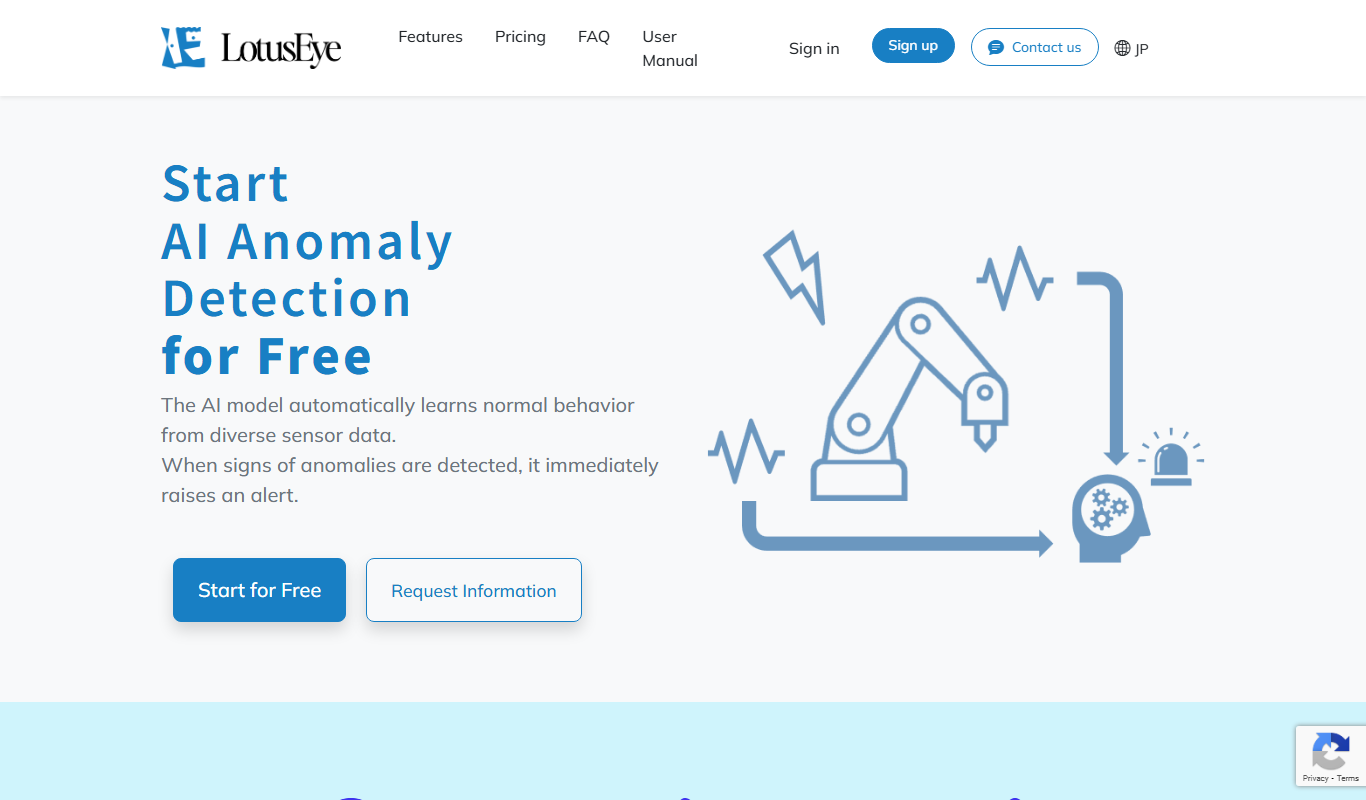
LotusEye is an AI anomaly detector that learns normal behavior from sensor data in CSV files and alerts users when anomaly scores rise.
intuitionrobotics.com
ElliQ is an AI-driven social companion robot designed by Intuition Robotics to provide proactive companionship, health reminders, and family connectivity for older adults.

OZ Sports
OZ Sports provides AI-powered, permanently installed stadium cameras that deliver multi-cam 4K sports broadcasts with no on-site crew, cutting production costs by up to 90%.
up-board.org
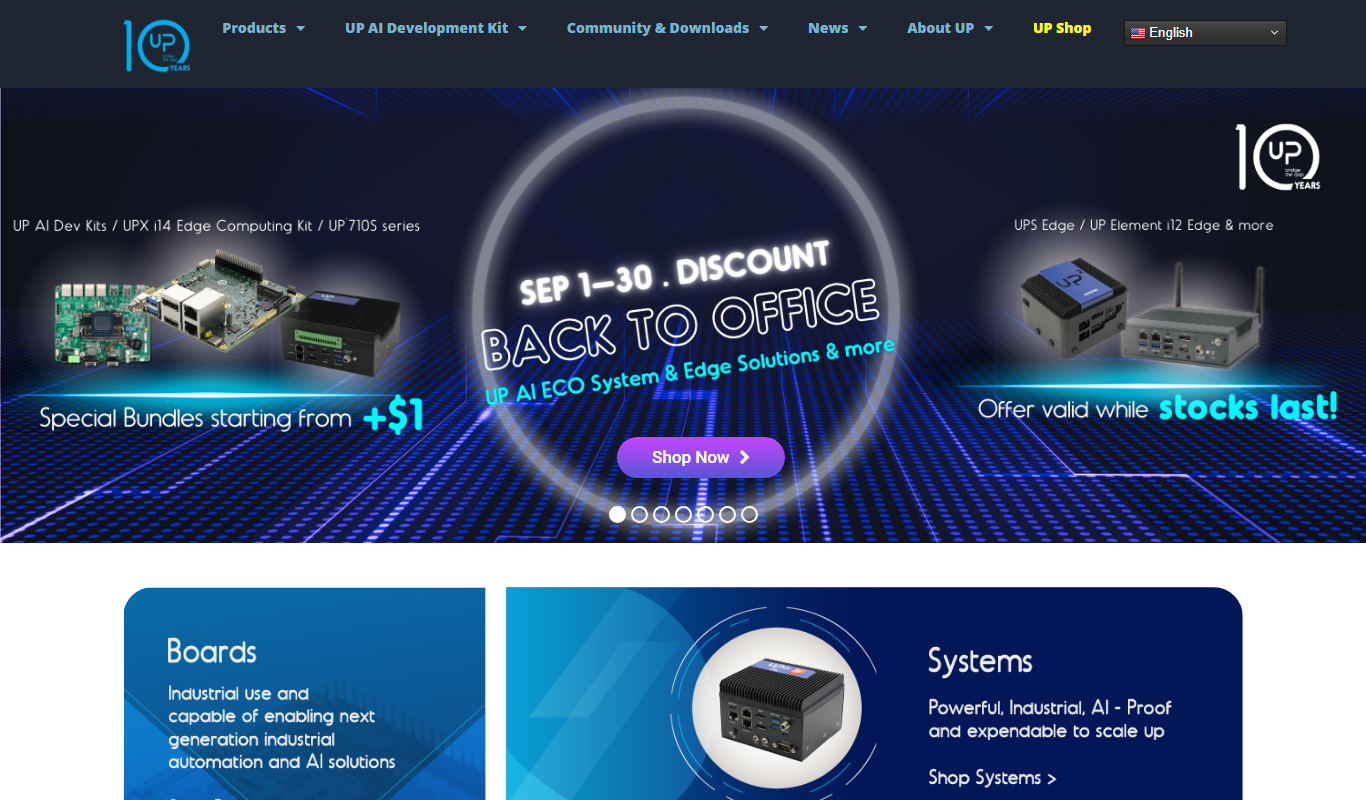
UP Bridge the Gap makes single-board computers, systems and AI development kits with Intel processors for professional developers building edge AI and industrial automation projects.

Viam
Viam is a cloud-based robotics platform that provides SDKs, APIs, and cloud infrastructure to develop, deploy, and manage robot applications with remote control and fleet management capabilities.

PC Builder AI
PC Builder AI is a free web-based tool that uses artificial intelligence to help users design compatible custom PC builds optimized for their budget and use case.

Autoware
Autoware is an open source autonomous driving software stack that provides modular tools for perception, localization, planning, and control to enable self-driving vehicles, primarily running on Linux with ROS.