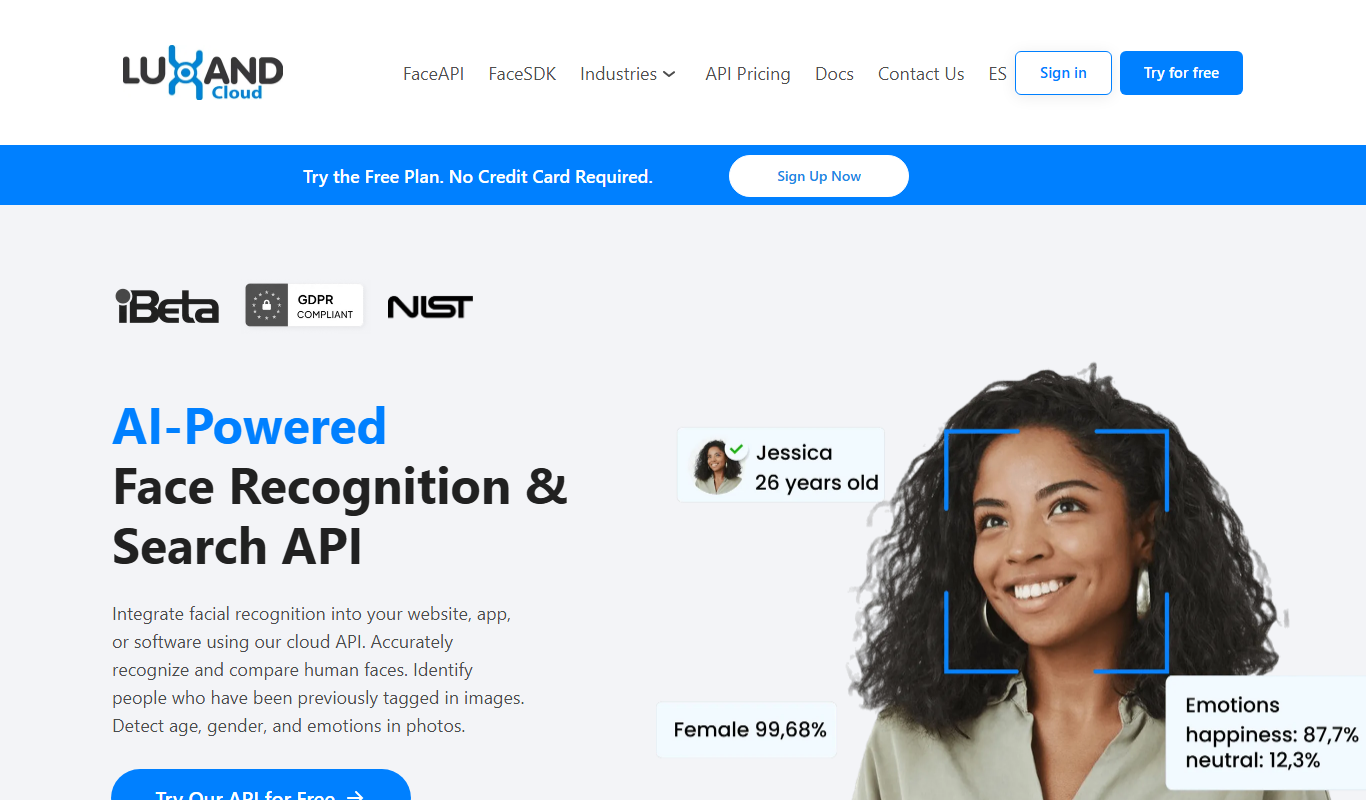
What Is Biometrics?
Biometrics refers to the automated recognition of individuals based on their unique physical traits, such as fingerprints, facial structure, or iris patterns, as well as behavioral characteristics like voice or typing rhythm. By utilizing advanced technology, biometrics can identify individuals with high accuracy. It’s widely used for security purposes, ensuring that only authorized individuals gain access to secure systems, buildings, or devices.
Why Is Biometrics Important?
Biometrics is crucial for enhancing security, improving user experience, and ensuring privacy. It offers a reliable and efficient method for identity verification, minimizing the risks associated with traditional identification methods like passwords or PINs.
- Enhances security by using unique personal traits.
- Streamlines user access with quick and accurate identification.
- Reduces fraud by making unauthorized access more difficult.
Key Characteristics of Biometrics
- Uniqueness: Each individual’s biometric data is distinct, making it a reliable identifier.
- Permanence: Biometric traits generally remain stable over time, ensuring consistent identification.
- Collectability: Biometric data can be easily captured and measured with appropriate technology.
How Biometrics Works (Step-by-Step)
- Capture: A device collects biometric data from the individual, such as scanning a fingerprint or taking a photo.
- Extraction: The system processes the captured data to extract relevant features for analysis.
- Comparison: The extracted features are compared against stored biometric data to verify identity.
Real-World Examples of Biometrics
- Smartphone Security: Many smartphones use fingerprint or facial recognition to unlock devices securely.
- Airport Check-Ins: Biometric systems streamline passenger identification and boarding processes at airports.
Biometrics in SEO, Marketing, or Business Context
In the realm of digital marketing and business, biometrics can enhance customer engagement by personalizing experiences based on user identity. For instance, biometric data can tailor content or advertisements to the preferences of a recognized user. Furthermore, in business security, biometric systems provide a robust layer of protection for sensitive data and resources, ensuring only authorized personnel access critical information.
Common Mistakes or Misunderstandings About Biometrics
- Assuming biometrics are infallible and cannot be bypassed.
- Believing that biometric data cannot be hacked or misused.
Related Terms
- Authentication
- Security Systems
- Identity Verification
FAQs About Biometrics
Common types include fingerprint recognition, facial recognition, iris scanning, and voice recognition.
While generally secure, biometric data can be vulnerable if not protected by robust encryption and security measures.
Summary
Biometrics offers a sophisticated approach to identity verification, leveraging unique personal characteristics to enhance security and user experience. Its applications span various sectors, from smartphone security to personalized marketing, making it an invaluable tool in the modern digital landscape. However, it is essential to implement rigorous security measures to protect biometric data from potential breaches.