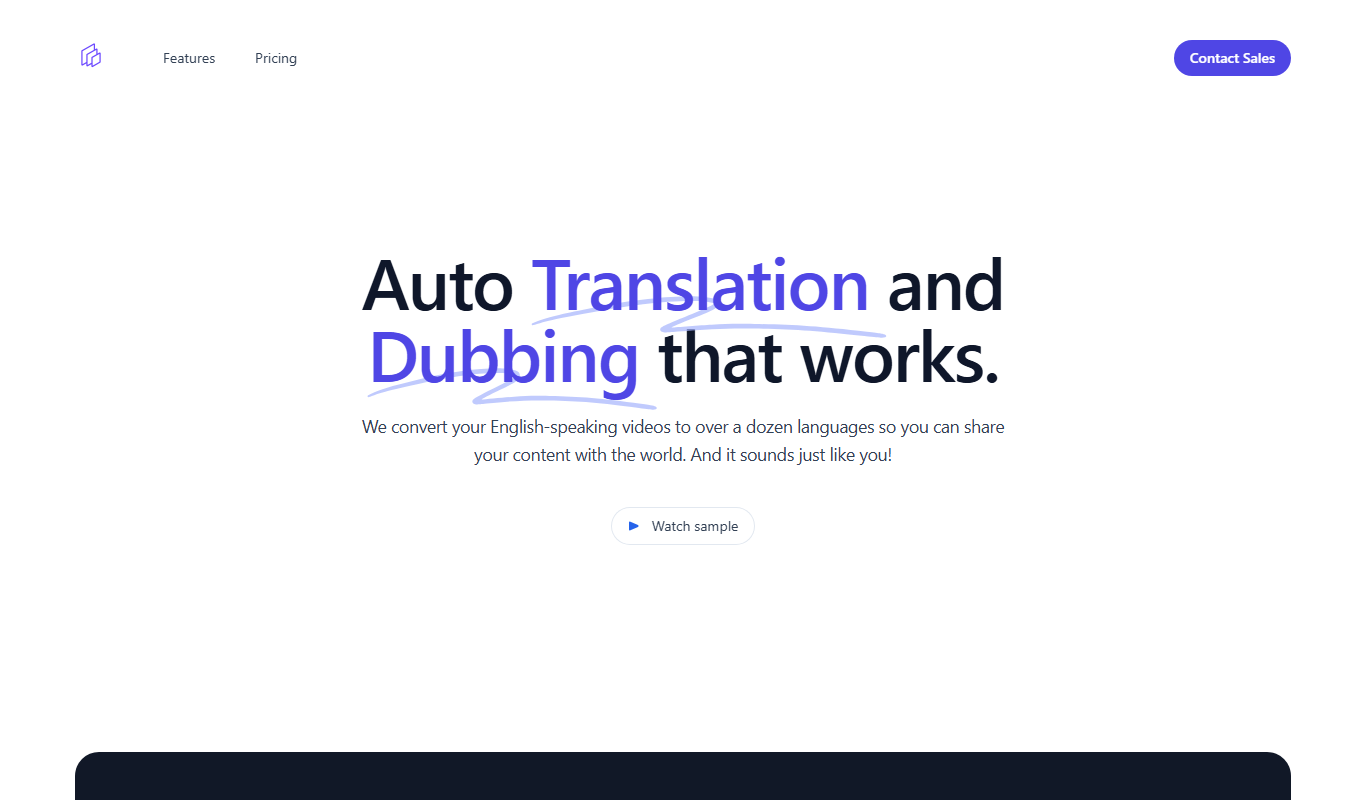
What Is AI Translation?
AI Translation refers to the process where advanced algorithms and machine learning models interpret and convert content between different languages without human intervention. Unlike traditional translation methods, AI translation leverages neural networks, natural language processing (NLP), and vast language datasets to understand context, grammar, and nuances, delivering translations that are increasingly accurate and natural-sounding.
Why Is AI Translation Important?
AI Translation plays a critical role in bridging language barriers quickly and at scale, enabling global communication and business growth. It helps companies localize content, reach wider audiences, and enhance user experience in multiple languages without the high costs and time delays associated with manual translation.
- Facilitates rapid multilingual content creation for global markets.
- Reduces translation costs and improves efficiency.
- Supports real-time communication across languages in customer service and marketing.
Key Characteristics of AI Translation
- Context Awareness: AI translation systems analyze surrounding text to maintain meaning and tone across languages.
- Continuous Learning: These systems improve over time by learning from corrections and new language data.
- Scalability: AI can process large volumes of content quickly, suitable for websites, apps, and global campaigns.
How AI Translation Works (Step-by-Step)
- Input text or speech is fed into the AI translation system.
- The AI analyzes linguistic elements, context, and syntax using NLP models.
- The system generates an accurate translation, refining output based on learned patterns.
Real-World Examples of AI Translation
- Website Localization: E-commerce platforms use AI translation to instantly offer product descriptions in multiple languages, enhancing user experience globally.
- Customer Support Chatbots: AI-powered chatbots provide real-time multilingual assistance, reducing response time and improving satisfaction.
AI Translation in SEO, Marketing, or Business Context
In SEO and digital marketing, AI translation enables businesses to optimize content for different language audiences, improving organic reach and engagement internationally. It supports keyword localization and cultural adaptation, which are essential for effective global campaigns. Businesses rely on AI translation to maintain consistent brand messaging while expanding into new markets efficiently.
Common Mistakes or Misunderstandings About AI Translation
- Assuming AI translation is flawless and requires no human review, which can lead to errors or awkward phrasing.
- Believing AI can fully replace human translators in contexts requiring deep cultural understanding or creative nuance.
Related Terms
- Neural Machine Translation (NMT)
- Natural Language Processing (NLP)
- Localization
FAQs About AI Translation
AI translation is highly accurate for many languages and contexts but may still require human editing for idiomatic expressions and cultural nuances.
Yes, AI systems can be trained on specific industry vocabularies to improve translation quality in technical fields.
Summary
AI Translation is a transformative technology that automates the conversion of content across languages using intelligent algorithms. It enhances global communication by delivering fast, scalable, and cost-effective translations, crucial for businesses expanding internationally. While not a full substitute for human expertise in all cases, AI translation significantly streamlines multilingual content creation and localization efforts.