

Ethereum.org Blockchain Platform for Decentralized Applications and Smart Contracts
Ethereum.org is the official platform providing resources and tools for developing decentralized applications and smart contracts on the Ethereum blockchain.
- Best for
- Decentralized Application Development
- Key capability
- Comprehensive Developer Documentation
Save Ethereum.org, follow its updates and vote on it — everything stays in your account.
Sign in or create a free account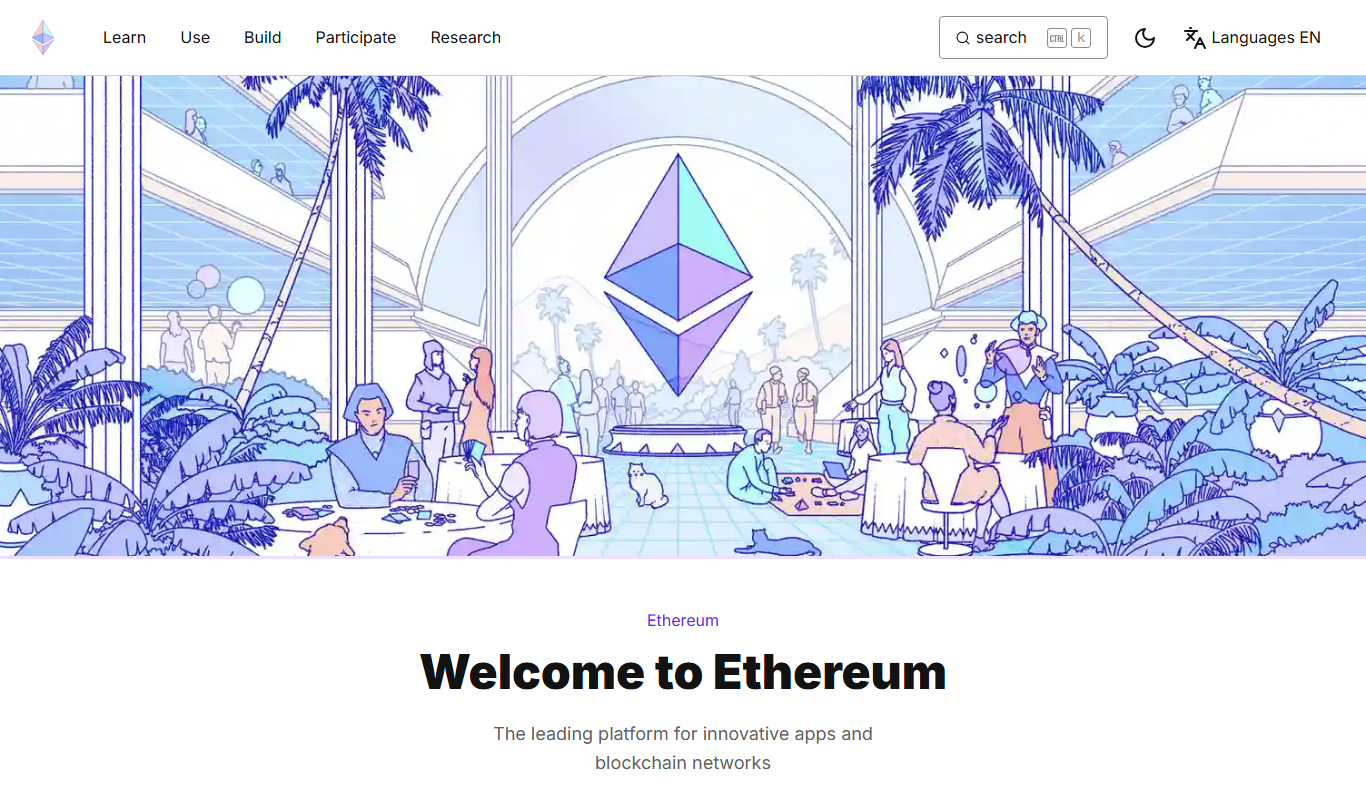
What is Ethereum.org?
Ethereum.org is the official website of the Ethereum blockchain platform, a decentralized, open-source blockchain system that enables developers to build and deploy smart contracts and decentralized applications (dApps). It provides comprehensive resources, documentation, and tools for users and developers to interact with the Ethereum network, which supports the native cryptocurrency Ether (ETH) and a wide ecosystem of decentralized finance (DeFi) and NFT projects.
Key features of Ethereum.org
Ethereum.org offers extensive developer documentation, tutorials, and tools for smart contract programming, wallet integration, and blockchain interaction. It supports a global community with multilingual resources and provides updates on network upgrades and ecosystem developments.
Comprehensive Developer Documentation
Detailed guides and references for smart contract programming and Ethereum network interaction.
Multilingual Support
Resources available in multiple languages to support a global developer and user community.
Smart Contract and dApp Ecosystem
Access to tools and information for building decentralized applications and deploying smart contracts.
Network Upgrade Information
Updates on Ethereum protocol improvements and upcoming network changes.
Pros and cons of Ethereum.org
Pros
- Extensive and well-maintained developer resources
- Supports a large and active global community
- Open-source and decentralized platform
- Multilingual documentation enhances accessibility
Cons
- Steep learning curve for beginners in blockchain development
- Network congestion can cause high transaction fees
- Not a direct service provider but a resource hub
Key use cases for Ethereum.org
Decentralized Application Development
Developers can build and deploy decentralized applications (dApps) on the Ethereum blockchain using smart contracts.
Smart Contract Creation
Ethereum enables writing, testing, and deploying smart contracts that automate agreements and transactions without intermediaries.
Cryptocurrency Transactions
Users can send, receive, and manage Ether (ETH), the native cryptocurrency, for payments and value transfer.
Decentralized Finance (DeFi)
Ethereum supports DeFi protocols that offer lending, borrowing, trading, and yield farming without centralized control.
NFT Minting and Trading
Creators and collectors can mint, buy, and sell non-fungible tokens (NFTs) on Ethereum-based marketplaces.
How Ethereum.org works
- 1
Access the Website
Visit Ethereum.org to explore resources, documentation, and tools related to the Ethereum blockchain.
- 2
Learn and Develop
Use the developer guides and tutorials to understand smart contracts and dApp development.
- 3
Deploy Smart Contracts
Write smart contracts in Solidity or other supported languages and deploy them on the Ethereum mainnet or testnets.
- 4
Interact with the Network
Use wallets and APIs to send transactions, interact with dApps, and manage Ether and tokens.
Who is using Ethereum.org
Ethereum.org pricing
Free
$0
Access to all educational resources, documentation, and tools on Ethereum.org is free.
Plans and prices are as published by the vendor and can change. Check the official site before you buy. Open the pricing page (opens in a new tab)
Frequently asked questions about Ethereum.org
Ethereum is a decentralized blockchain platform that enables smart contracts and decentralized applications.
Begin by exploring the developer documentation and tutorials on Ethereum.org to learn smart contract programming.
Ether is the native cryptocurrency of the Ethereum network used to pay for transaction fees and computational services.
No, Ethereum.org is an informational and educational website; users need separate wallets to manage Ether and tokens.
Yes, it can help with that use case depending on how you configure it and what features are available. You’ll get the best results with clear inputs and a defined goal.
It depends on your specific needs and how you plan to use the tool. The official website and documentation are the best sources for the latest details.
Some tools offer a free plan or trial with limited features. Availability can vary, so confirm on the official website.
Conclusion
Ethereum.org is an informational and educational website, not a wallet, so managing Ether and tokens needs a separate wallet. As the official website of the Ethereum blockchain, it gathers developer documentation, tutorials and updates on protocol improvements and upcoming network changes. A developer typically moves from the guides to writing smart contracts in Solidity or other supported languages, then deploys them on the Ethereum mainnet or testnets. Resources are available in multiple languages to support a global developer and user community.
The material targets blockchain developers first and also serves DeFi and NFT creators as well as educators and students in blockchain technology. Access to all educational resources, documentation and tools on the site is free. Transaction fees on the network itself are paid in Ether, and network congestion can cause high transaction fees.
Sources
Sign in to review this tool.
Sign In to ReviewNo reviews yet
Be the first to share how this tool worked for you.
Ask about pricing, limits, or how it compares — or answer someone else.
Sign In to AskNo questions yet
Have a question about using or paying for this tool? Be the first to ask.
Featured on TiorAI



Alternative Tools
Explore similar AI tools that might fit your needs

Polkadot
Polkadot is a blockchain platform that connects multiple specialized blockchains into one unified network, enabling scalability, interoperability, and shared security for decentralized applications.
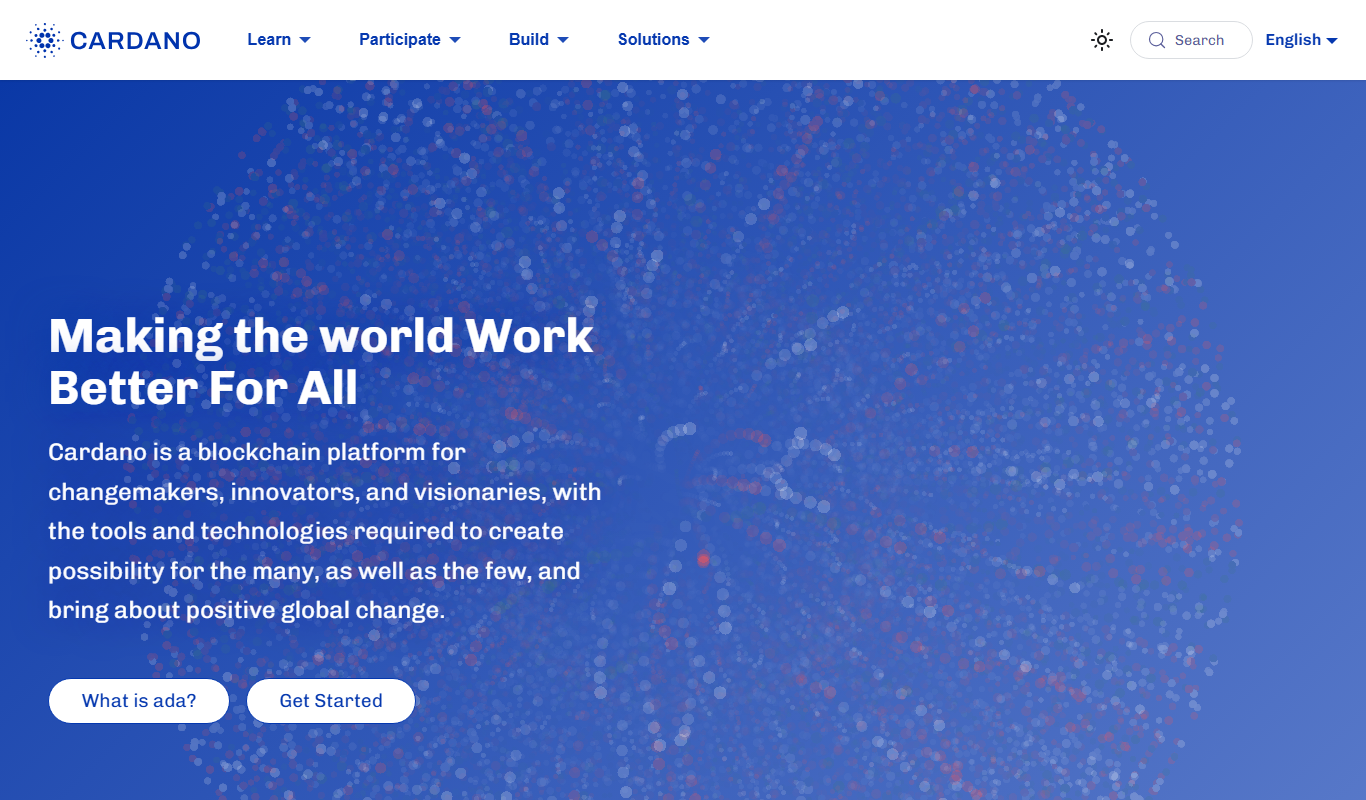
Cardano
Cardano is a proof-of-stake blockchain platform designed for secure and scalable decentralized applications and smart contracts, featuring energy-efficient consensus and formal verification.
More AI Developer Tools tools
Other tools in the same category, for when this one is not quite the fit.

Fiorino.AI
Fiorino.AI is an open-source tool that helps SaaS owners track per-user LLM usage and costs, set pricing tiers and automate usage-based billing.

NeoBase
NeoBase is an open-source AI copilot for databases: connect PostgreSQL, MySQL, MongoDB and more, and query and analyze your data in natural language.

Amadeus Travel API
Amadeus Travel API is a developer platform offering RESTful APIs to access global flight, hotel, and travel data for building travel booking and itinerary management applications.

Zyte
Zyte is a web scraping platform that enables businesses and developers to extract structured data from websites using smart crawlers, proxy rotation, and API integration to automate data collection at scale.

UnoCSS
UnoCSS is an open-source, utility-first atomic CSS engine that generates CSS on-demand based on the classes used in your code, optimizing performance by minimizing CSS bundle size.

CockroachDB
CockroachDB is a distributed SQL database designed for cloud-native applications that require strong consistency, high availability, and horizontal scalability across multiple regions.

JSON Editor Online
JSON Editor Online is a free web tool that allows users to view, edit, format, validate, and compare JSON data easily without installation or signup.
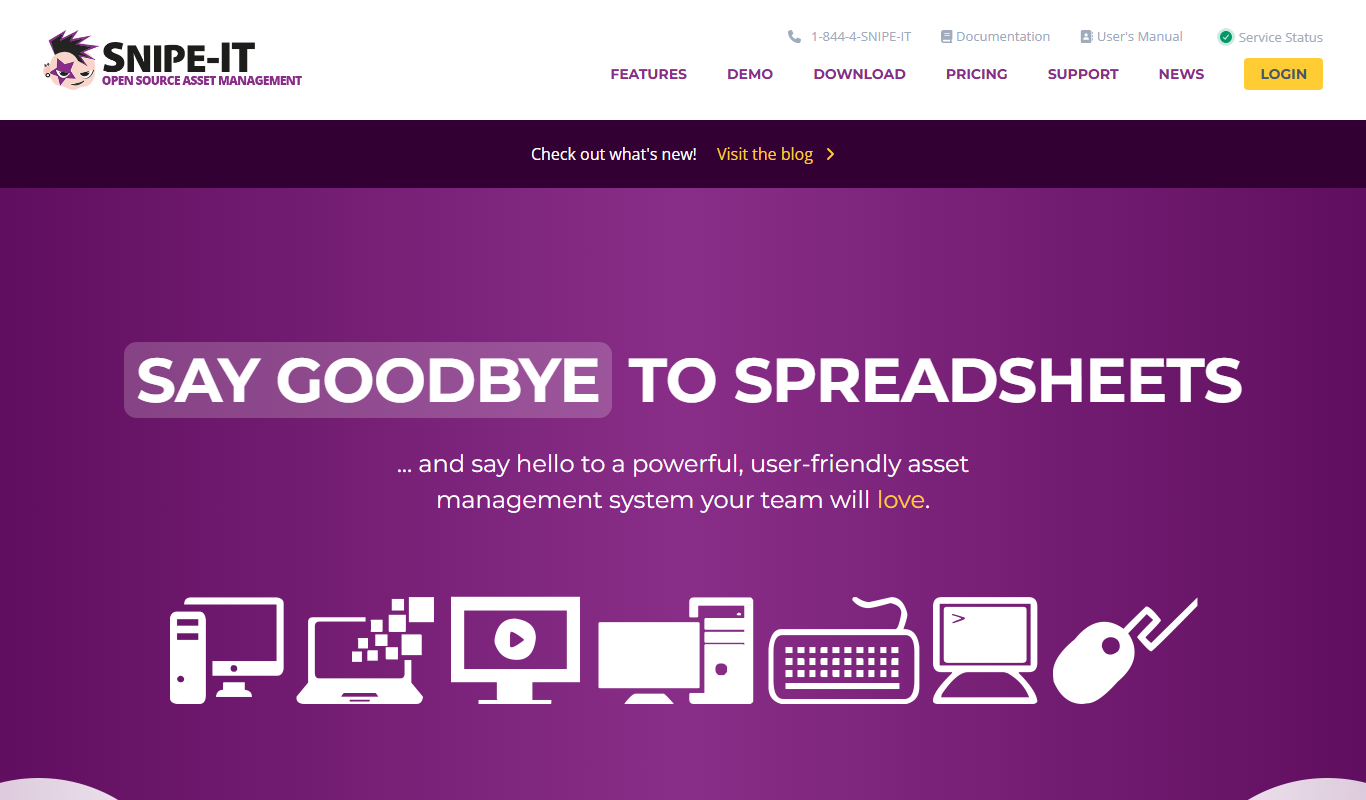
Snipe-IT
Snipe-IT is an open source IT asset management tool that helps organizations track hardware assets, software licenses, and manage inventory through a web-based platform with self-hosted and cloud options.