

The Graph Protocol for Decentralized Data Indexing and Querying Solutions
The Graph is a decentralized protocol that indexes and queries blockchain data using GraphQL, enabling developers to build fast and reliable decentralized applications.
- Best for
- Decentralized Application Data Indexing
- Key capability
- Decentralized Indexing Network
Save The Graph, follow its updates and vote on it — everything stays in your account.
Sign in or create a free account
What is The Graph?
The Graph is a suite of blockchain data infrastructure products that extract, process and deliver blockchain data across 60+ networks. Developers build and publish open APIs called subgraphs that applications query using GraphQL, which streamlines access to blockchain data for decentralized applications (dApps).
Key features of The Graph
The Graph offers decentralized indexing, a robust query API using GraphQL, an open subgraph registry, and support for multiple blockchain networks. It empowers developers to create custom subgraphs tailored to their data needs and provides a decentralized network of indexers to ensure data availability and integrity.
Decentralized Indexing Network
A network of independent indexers ensures reliable and censorship-resistant data indexing.
GraphQL Query Interface
Standardized and flexible queries enable efficient data retrieval tailored to application needs.
Open Subgraph Registry
Developers can publish and share subgraphs publicly, fostering ecosystem collaboration.
Multi-Chain Support
Supports indexing blockchain data across 60+ networks.
Developer Tooling
Includes CLI tools, SDKs, and documentation to simplify subgraph creation and deployment.
Pros and cons of The Graph
Pros
- Enables efficient blockchain data querying with GraphQL
- Decentralized network improves data reliability and censorship resistance
- Open ecosystem encourages community-driven subgraph development
- Supports multiple blockchain networks
- Comprehensive developer tools and documentation
Cons
- Learning curve for subgraph development and GraphQL
- Decentralized network pricing can be complex for new users
- Limited support for some newer or niche blockchains
Key use cases for The Graph
Decentralized Application Data Indexing
Developers use The Graph to index blockchain data efficiently, enabling fast and reliable queries for decentralized apps.
Blockchain Data Querying
The Graph allows querying complex blockchain data using GraphQL, simplifying data retrieval from multiple chains.
Subgraph Development
Users create and deploy subgraphs that define how blockchain data is indexed and structured for specific applications.
Analytics and Reporting
Data analysts leverage The Graph to access organized blockchain data for insights and reporting.
Cross-Chain Data Integration
The Graph supports indexing data from multiple blockchains, enabling unified data access across ecosystems.
How The Graph works
- 1
Create a Subgraph
Define the data sources and schema for your application by creating a subgraph manifest.
- 2
Deploy Subgraph
Publish your subgraph through Subgraph Studio; the hosted service was shut down in 2024.
- 3
Indexing by Indexers
Indexers in The Graph network process blockchain data according to subgraph definitions.
- 4
Query Data
Applications query indexed data using GraphQL endpoints provided by The Graph.
Who is using The Graph
The Graph pricing
Free
$0/month
100,000 free monthly queries on Subgraph Studio, with unlimited subgraph creation and unlimited testing.
Usage-based
$2 per 100,000 queries
Usage-based billing on Subgraph Studio after the first 100,000 free monthly queries.
Plans and prices are as published by the vendor and can change. Check the official site before you buy. Open the pricing page (opens in a new tab)
Frequently asked questions about The Graph
A subgraph is a declarative specification that defines how to index and organize blockchain data for querying.
The Graph delivers blockchain data across 60+ networks.
Yes, the first 100K monthly queries on Subgraph Studio are always free, and billing is usage-based after that.
You use GraphQL queries against the subgraph endpoints provided by The Graph.
It depends on your specific needs and how you plan to use the tool. The official website and documentation are the best sources for the latest details.
This tool is designed to help users accomplish its core tasks more efficiently. It is typically used by individuals or teams looking to improve productivity and workflow.
Conclusion
Subgraphs sit at the center: a developer defines which contracts, events and entities to index and how raw on-chain data becomes structured entities queryable via GraphQL. A decentralized network of Indexers, Curators and Delegators then serves the data, so applications need no data server or indexing infrastructure of their own. Alongside Subgraphs, Substreams streams data into custom sinks, and Amp is a database built for blockchain data.
The documentation addresses application developers, data analysts, AI agents and enterprise teams that need structured access to blockchain data across 60+ networks. Subgraph Studio starts free with a monthly allowance of queries and then moves to usage-based billing, paid by card or with crypto. The listed drawbacks include a learning curve for subgraph development and GraphQL.
Sources
Sign in to review this tool.
Sign In to ReviewNo reviews yet
Be the first to share how this tool worked for you.
Ask about pricing, limits, or how it compares — or answer someone else.
Sign In to AskNo questions yet
Have a question about using or paying for this tool? Be the first to ask.
Featured on TiorAI



Alternative Tools
Explore similar AI tools that might fit your needs
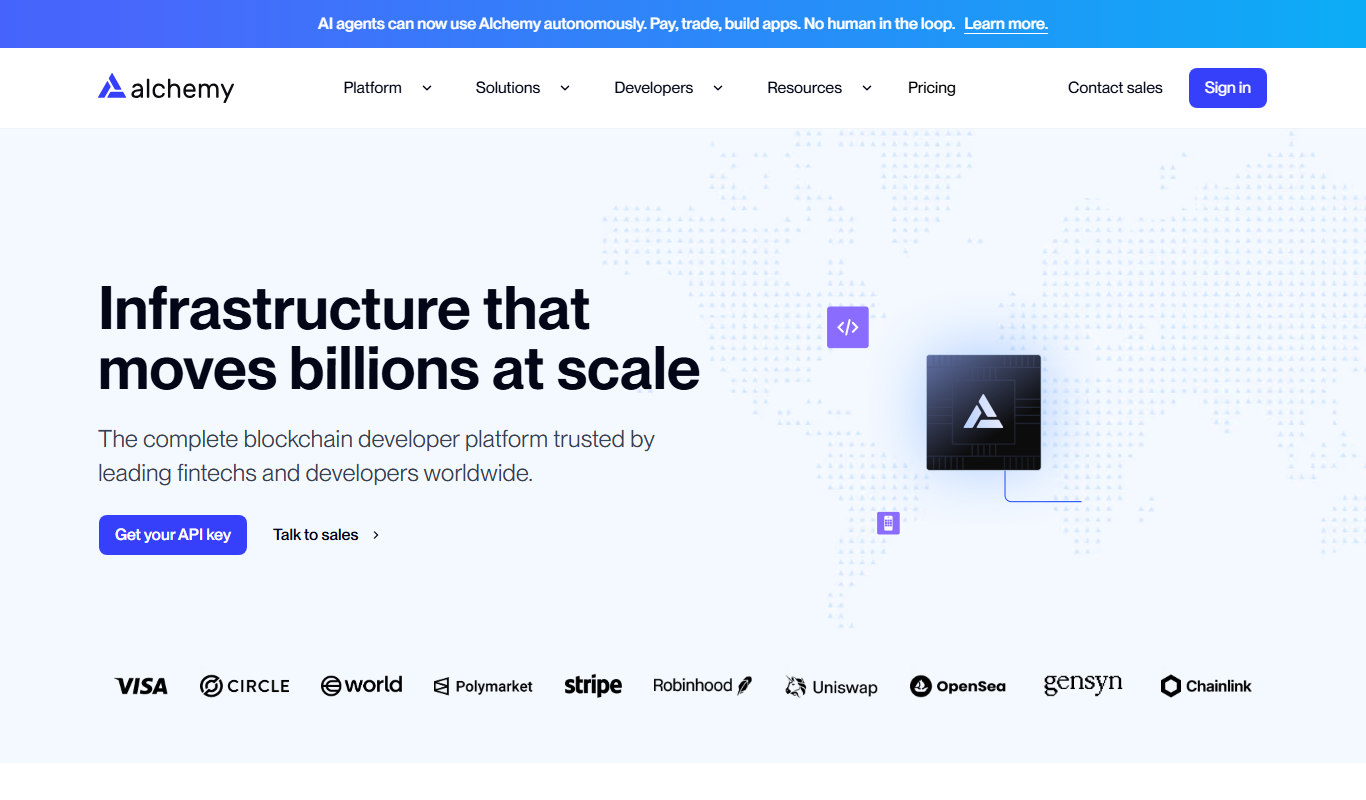
Alchemy
Alchemy is a blockchain developer platform providing APIs and scalable node infrastructure to build, monitor, and scale decentralized applications on Ethereum and other blockchains.
More AI API tools
Other tools in the same category, for when this one is not quite the fit.

Myple
Myple is a developer platform to build, deploy and secure AI applications such as AI agents and RAG chatbots, with SDKs, a CLI and a free Hacker plan.
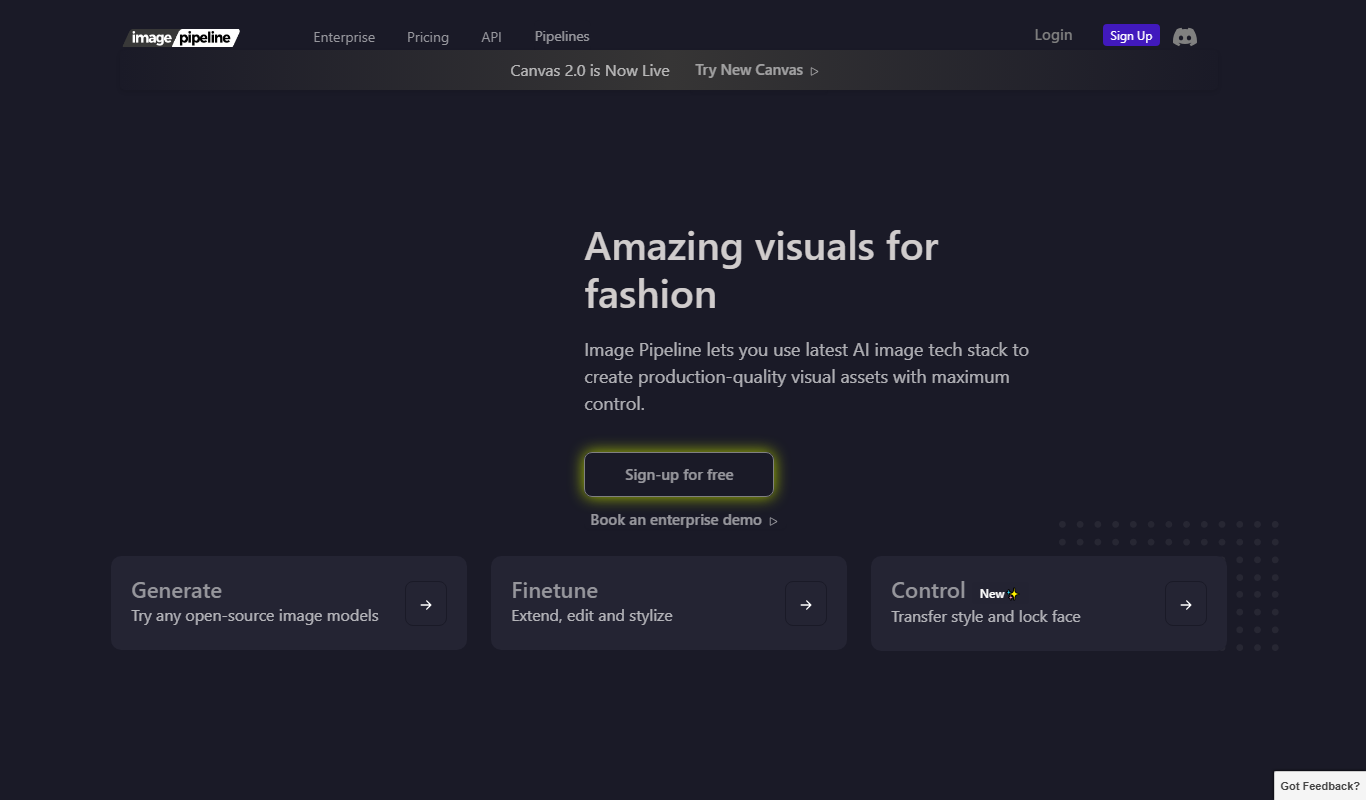
Image Pipeline
ImagePipeline is the image AI API for ecommerce and fashion teams: on-model imagery, virtual try-on, background and relight, and ad creative from one API key.

KawniX
Kawnix is a protocol for agent-to-agent commerce: discover verified agent endpoints, lock escrow and settle tasks with signed receipts.

SpamCheck.ai
SpamCheckAI is a spam detection API for free-form JSON and form submissions, with IP filtering, email validation and content analysis; it powers Basin.

FlexAI
FlexAI offers managed inference on 30+ open models behind one OpenAI-compatible API, with dedicated GPUs, fine-tuning and private cloud on one account.

Productify.ai
Productify.ai is an API-first platform for transforming unstructured product content into structured, compliant, reusable product data at eCommerce scale.

APIPark
APIPark is a one-stop AI model and API unified gateway with a single API key, access approval, quotas, billing and monitoring, available as open source and as a commercial edition.

Llongterm
Llongterm is a plug-and-play memory layer for AI developers that gives AI apps and agents long-term memory of past conversations.