

EasyPost Shipping API for Ecommerce and Logistics Integration Solutions
EasyPost is a shipping API platform that simplifies ecommerce and logistics shipping by providing multi-carrier label generation, tracking, and address verification through one API.
- Best for
- Ecommerce Shipping Automation
- Key capability
- Multi-Carrier Support
Save EasyPost, follow its updates and vote on it — everything stays in your account.
Sign in or create a free accountWhat is EasyPost?
EasyPost is a developer-friendly shipping API platform that enables ecommerce businesses and logistics providers to integrate shipping, tracking, and address verification services into their applications. It simplifies the complexity of dealing with multiple carriers by providing a unified API to access USPS, FedEx, UPS, DHL, and more.
Key features of EasyPost
EasyPost offers multi-carrier shipping label generation, real-time rate comparison, address verification, parcel tracking, and return label creation through a single API. It supports a wide range of carriers and shipping services, making it a versatile solution for ecommerce and logistics automation.
Multi-Carrier Support
Access multiple shipping carriers through one API, including USPS, FedEx, UPS, DHL, and more.
Real-Time Rate Comparison
Compare shipping rates instantly to choose the most cost-effective or fastest option.
Address Verification
Validate and standardize addresses to ensure accurate delivery.
Parcel Tracking
Track shipments in real-time and provide status updates to customers.
Return Label Generation
Easily create return shipping labels to streamline the returns process.
Pros and cons of EasyPost
Pros
- Unified API for multiple carriers simplifies integration
- Free Access for up to 3,000 labels before per-label fees
- Comprehensive tracking and address verification features
- Supports a wide range of shipping services and carriers
Cons
- Primarily designed for developers; may require coding knowledge
- Pricing can become costly at high shipment volumes without negotiated rates
Key use cases for EasyPost
Ecommerce Shipping Automation
Automate shipping label creation, rate comparison, and carrier selection for online stores.
Multi-Carrier Shipping Integration
Integrate multiple shipping carriers into one platform to streamline logistics and fulfillment.
Parcel Tracking and Notifications
Provide real-time tracking updates and delivery notifications to customers.
Address Verification
Validate and standardize shipping addresses to reduce delivery errors and delays.
Return Label Generation
Easily generate return shipping labels to simplify the returns process for customers.
How EasyPost works
- 1
Sign Up and Get API Keys
Create an account on EasyPost and obtain your API keys to authenticate requests.
- 2
Integrate API into Your Application
Use EasyPost’s RESTful API with SDKs available in multiple programming languages to connect shipping functionalities.
- 3
Create Shipments and Purchase Labels
Send shipment data to EasyPost to generate shipping labels and compare rates across carriers.
- 4
Track Shipments and Manage Returns
Use tracking endpoints to monitor parcel status and generate return labels as needed.
Who is using EasyPost
EasyPost pricing
Free Access
$0/month
Free Access is free for up to 3,000 labels (postage not included), then a per-label fee applies.
Pay-as-you-go
Variable
Pay per shipment label purchased beyond the free tier with no monthly fees.
Plans and prices are as published by the vendor and can change. Check the official site before you buy. Open the pricing page (opens in a new tab)
Frequently asked questions about EasyPost
EasyPost supports USPS, FedEx, UPS, DHL, Canada Post, and many regional carriers.
Yes, Free Access is free for up to 3,000 labels (postage not included), then a per-label fee applies.
Yes, EasyPost supports international shipping labels and customs forms for many carriers.
EasyPost provides SDKs for JavaScript, Ruby, Python, PHP, Java, and Go.
This tool is designed to help users accomplish its core tasks more efficiently. It is typically used by individuals or teams looking to improve productivity and workflow.
Pricing depends on the plan and included features. For the most accurate and up-to-date details, check the official pricing page.
Yes, it can help with that use case depending on how you configure it and what features are available. You’ll get the best results with clear inputs and a defined goal.
Conclusion
Developers connect through a RESTful API, and SDKs cover languages from JavaScript and Python to PHP and Go. After obtaining API keys, an application sends shipment data to generate shipping labels and compare rates across carriers such as USPS, FedEx, UPS and DHL. Tracking endpoints monitor parcel status and generate return labels, while address verification validates and standardizes addresses.
It is aimed at ecommerce businesses and logistics providers, and at developers building shipping integrations into their applications. International shipping labels and customs forms are supported for many carriers. The platform is primarily designed for developers and may require coding knowledge. Free Access covers up to 3,000 labels without postage, after which a per-label fee applies.
Sources
Sign in to review this tool.
Sign In to ReviewNo reviews yet
Be the first to share how this tool worked for you.
Ask about pricing, limits, or how it compares — or answer someone else.
Sign In to AskNo questions yet
Have a question about using or paying for this tool? Be the first to ask.
Featured on TiorAI



Alternative Tools
Explore similar AI tools that might fit your needs
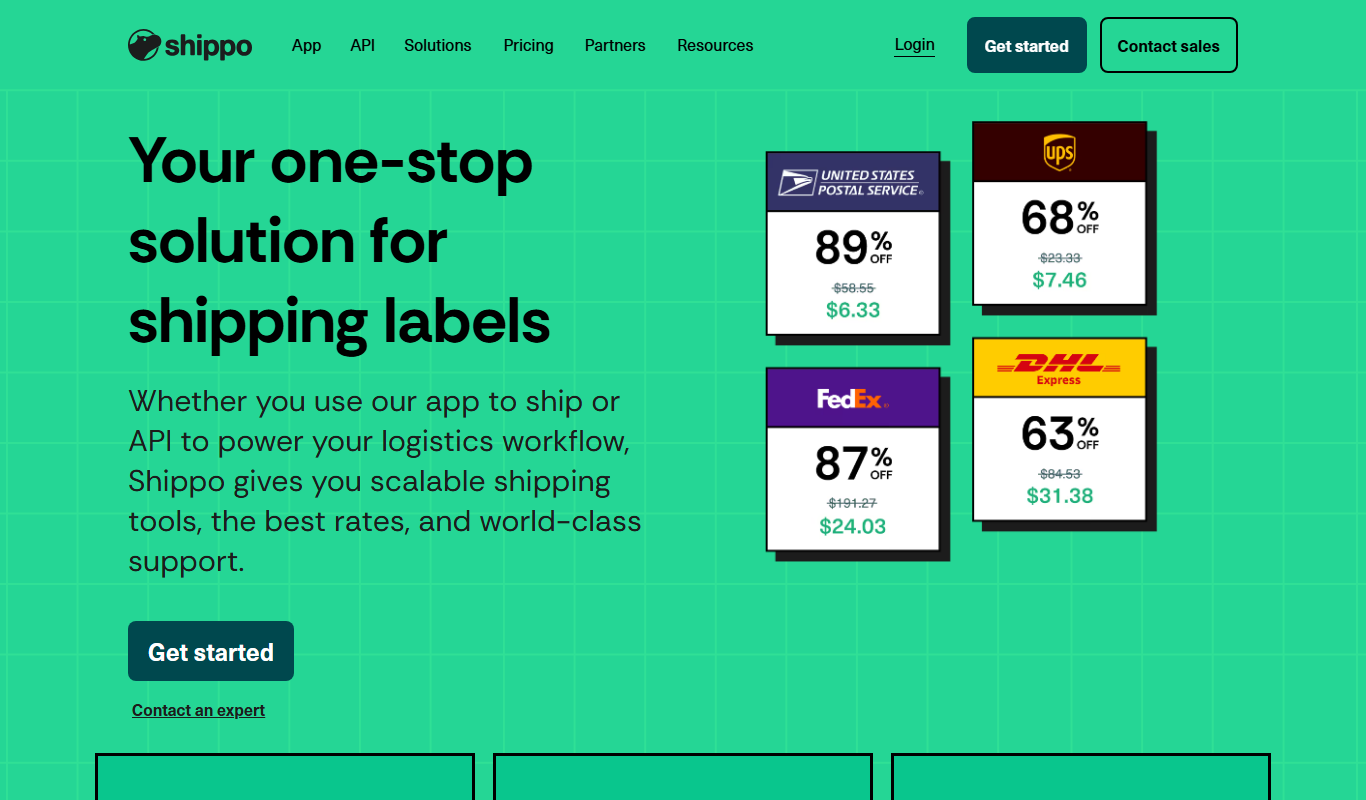
Shippo
Shippo is a shipping API and software platform that enables e-commerce businesses to automate shipping label creation, compare rates from multiple carriers, track shipments in real-time, and manage returns efficiently through a single interface.
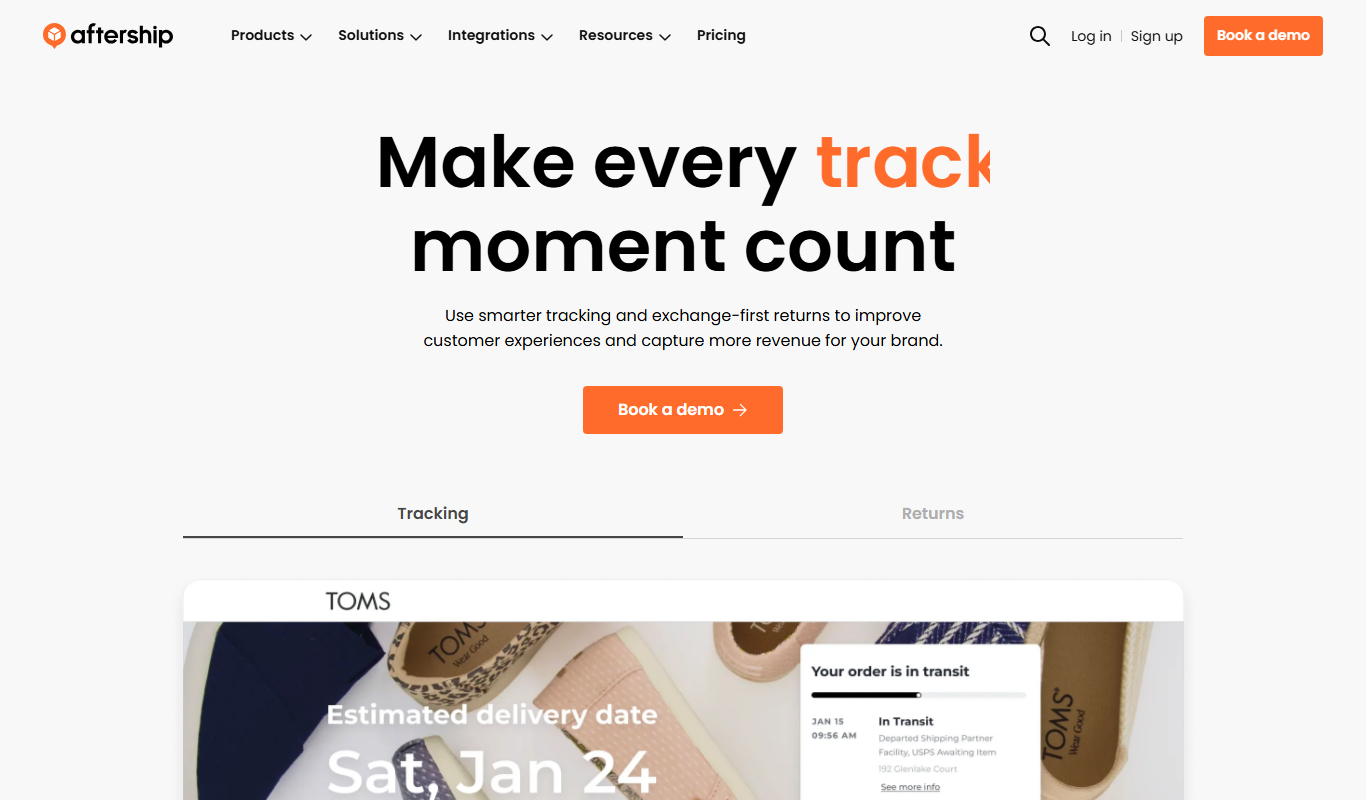
AfterShip
AfterShip is a shipment tracking platform that consolidates tracking information from over 900 carriers, automates delivery notifications, and provides branded tracking pages to improve e-commerce customer experience.
More AI API tools
Other tools in the same category, for when this one is not quite the fit.

Myple
Myple is a developer platform to build, deploy and secure AI applications such as AI agents and RAG chatbots, with SDKs, a CLI and a free Hacker plan.

Image Pipeline
ImagePipeline is the image AI API for ecommerce and fashion teams: on-model imagery, virtual try-on, background and relight, and ad creative from one API key.

KawniX
Kawnix is a protocol for agent-to-agent commerce: discover verified agent endpoints, lock escrow and settle tasks with signed receipts.

SpamCheck.ai
SpamCheckAI is a spam detection API for free-form JSON and form submissions, with IP filtering, email validation and content analysis; it powers Basin.

FlexAI
FlexAI offers managed inference on 30+ open models behind one OpenAI-compatible API, with dedicated GPUs, fine-tuning and private cloud on one account.

Productify.ai
Productify.ai is an API-first platform for transforming unstructured product content into structured, compliant, reusable product data at eCommerce scale.

APIPark
APIPark is a one-stop AI model and API unified gateway with a single API key, access approval, quotas, billing and monitoring, available as open source and as a commercial edition.

Llongterm
Llongterm is a plug-and-play memory layer for AI developers that gives AI apps and agents long-term memory of past conversations.