What Is Deepfake?
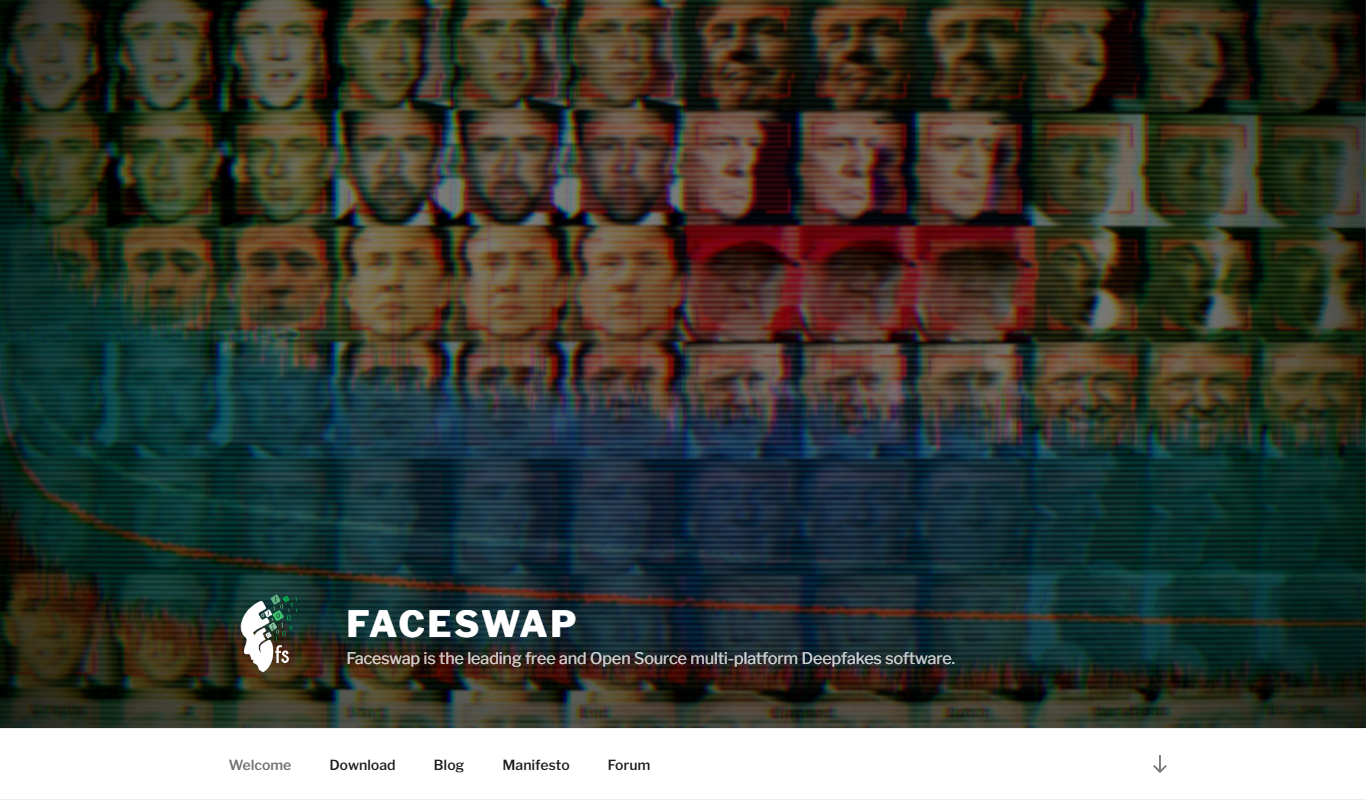
Deepfake refers to the use of advanced machine learning algorithms, particularly deep learning models, to generate or alter visual and audio content so convincingly that it appears authentic to the human eye and ear. By training neural networks on large datasets of images or videos, deepfake technology can superimpose faces, mimic voices, or fabricate actions, often blending real and synthetic elements seamlessly. Originally developed for entertainment and research, deepfakes have since expanded into various fields, including digital marketing, social media, and cybersecurity.
Why Is Deepfake Important?
Understanding deepfake technology is crucial because it has a profound impact on information authenticity, digital trust, and content creation. While it offers creative possibilities, it also poses challenges in verifying media truthfulness and protecting against misinformation. For marketers and businesses, leveraging deepfakes responsibly can enhance personalized content and immersive experiences.
- It challenges traditional notions of media authenticity and demands new verification methods.
- It opens innovative avenues for engaging, personalized marketing campaigns and digital storytelling.
- It raises ethical concerns and necessitates awareness of potential misuse in fraud or misinformation.
Key Characteristics of Deepfake
- AI-Driven Synthesis: Utilizes deep learning models to create or alter media content with high realism.
- Realistic Visual and Audio Output: Produces images, videos, or sounds that closely mimic real people or events.
- Manipulation and Fabrication: Enables replacement or modification of faces, voices, or actions in existing media.
How Deepfake Works (Step-by-Step)
- Collect extensive datasets of images, audio, or videos of the target subject to train the AI model.
- Use neural networks, such as autoencoders or GANs (Generative Adversarial Networks), to learn and replicate the target’s features and movements.
- Generate new synthetic media by blending or replacing the original content with the AI-generated elements, refining for realism.
Real-World Examples of Deepfake
- Entertainment Industry: Creating digital doubles of actors for special effects or de-aging in movies and TV shows.
- Marketing Campaigns: Personalized advertisements featuring realistic but AI-generated spokespersons or product demos tailored to individual viewers.
Deepfake in SEO, Marketing, or Business Context
In digital marketing and SEO, deepfake technology can be a powerful tool to produce unique, personalized content that drives engagement and brand differentiation. Businesses can create dynamic influencer-like endorsements or virtual brand ambassadors that resonate with target audiences. However, ethical use and transparency are vital to maintain consumer trust and comply with regulations around digital authenticity.
Common Mistakes or Misunderstandings About Deepfake
- Assuming all deepfake content is malicious or intended for deception, when it can also be used ethically for entertainment or education.
- Believing deepfakes are easy to spot visually, while many are highly sophisticated and require technical analysis to detect.
Related Terms
- Generative Adversarial Network (GAN)
- Artificial Intelligence (AI)
- Media Manipulation
FAQs About Deepfake
It is primarily used to create realistic synthetic media for entertainment, marketing, and sometimes malicious purposes.
Detection involves specialized software that analyzes inconsistencies in facial movements, lighting, or audio patterns.
Summary
Deepfake technology represents a significant advancement in AI-driven media creation, blending creativity with risks related to authenticity and trust. For marketers and businesses, understanding and harnessing deepfakes ethically can unlock innovative content strategies, while vigilance is essential to mitigate misuse and protect digital integrity.