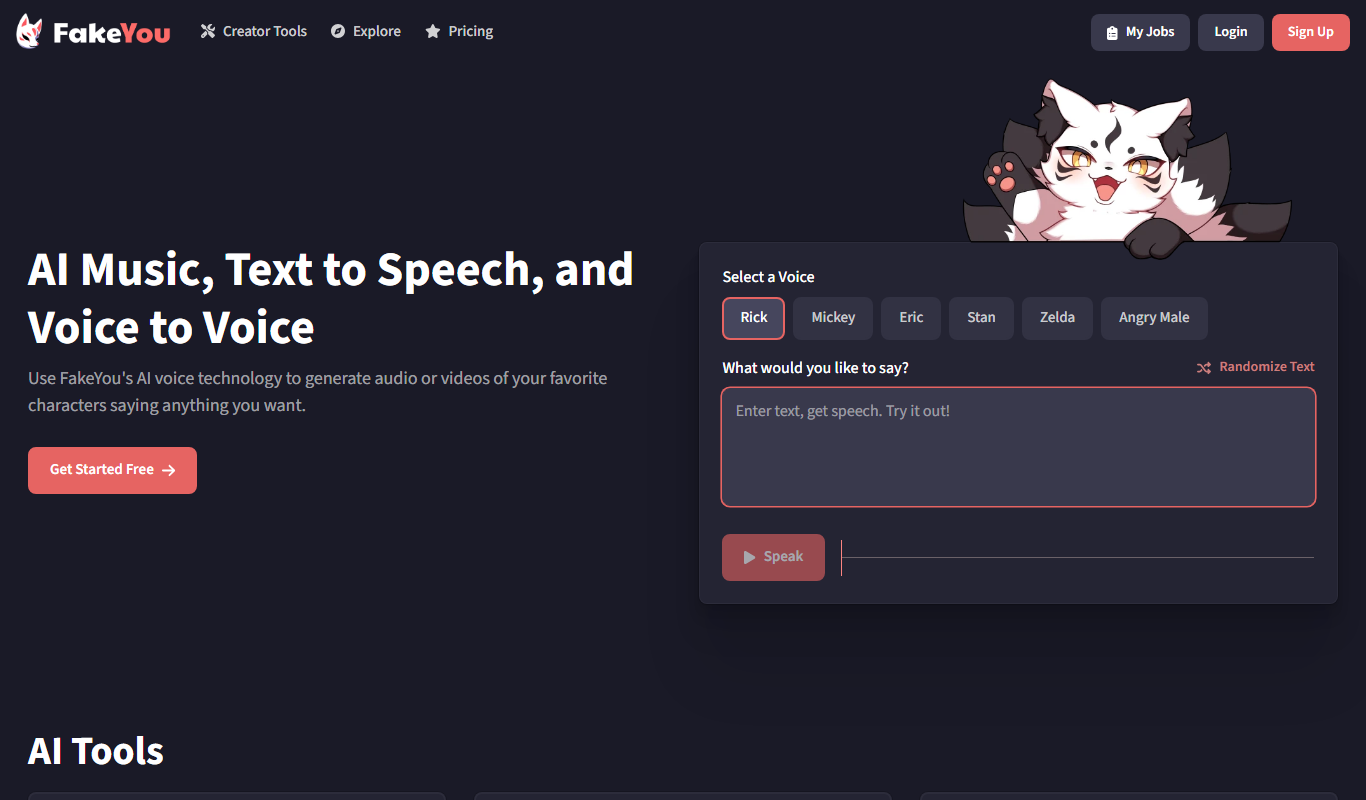
What Is Deepfake Audio?
Deepfake audio refers to digitally created or manipulated sound clips using advanced machine learning techniques, particularly deep neural networks. These AI models analyze a person’s voice patterns, tone, and speech mannerisms to produce new audio that sounds convincingly authentic. Unlike simple voice recordings, deepfake audio can generate entirely new sentences or replicate someone’s speech without them actually saying the words. This technology enables the creation of realistic voice simulations that can be difficult to distinguish from genuine recordings.
Why Is Deepfake Audio Important?
Deepfake audio holds significant implications for security, entertainment, and communication. It can enhance content creation by enabling voiceovers without the original speaker, but also raises concerns about misinformation and fraud. Understanding deepfake audio is crucial for digital marketers, content creators, and cybersecurity experts to leverage its benefits while mitigating risks.
- Enables realistic voice cloning for media and entertainment.
- Highlights new challenges in cybersecurity and fraud prevention.
- Transforms customer interaction with personalized, AI-driven voices.
Key Characteristics of Deepfake Audio
- Voice Mimicry: Accurately replicates vocal tone, pitch, and speech patterns of a target individual.
- Contextual Generation: Can produce new phrases and sentences that the original speaker never recorded.
- High Realism: Often indistinguishable from authentic human speech, especially in short clips.
How Deepfake Audio Works (Step-by-Step)
- Collect voice samples of the target individual to train the AI model.
- Use deep learning algorithms to analyze and learn voice characteristics.
- Generate new audio clips by synthesizing speech based on learned patterns.
Real-World Examples of Deepfake Audio
- Voice Cloning for Audiobooks: Authors or narrators’ voices can be synthetically recreated to produce new audiobook content without additional recording sessions.
- Fraudulent Phone Calls: Cybercriminals use deepfake audio to impersonate executives or trusted contacts to deceive employees into sharing sensitive information.
Deepfake Audio in SEO, Marketing, or Business Context
In marketing and business, deepfake audio can personalize customer experiences through AI-driven voice assistants, automated customer service, and dynamic content creation. However, companies must remain vigilant against potential misuse that could damage brand trust or facilitate scams. Leveraging this technology responsibly can improve engagement, while awareness and detection tools are essential to safeguard reputation and security.
Common Mistakes or Misunderstandings About Deepfake Audio
- Assuming all AI-generated audio is easily detectable or low quality.
- Believing deepfake audio use is limited to entertainment and not recognizing its security risks.
Related Terms
- Voice Synthesis
- Artificial Intelligence
- Audio Forensics
FAQs About Deepfake Audio
Deepfake audio is artificially generated using AI to mimic voices, while traditional voice recordings capture actual human speech.
By implementing verification processes, educating employees, and using AI detection tools to identify synthetic voices.
Summary
Deepfake audio represents a powerful AI-driven technology capable of producing highly realistic synthetic speech. It offers exciting opportunities for content creation and personalized communication but also introduces risks related to security and misinformation. Understanding its workings, applications, and challenges is essential for digital professionals aiming to harness its potential while protecting against misuse.