

Movesense Wearable Sensor Platform for Sports and Health Data Tracking
Movesense is a wearable sensor platform from Movesense Ltd, a privately owned Finnish high technology company, that captures motion, heart rate and audio data through an open API and Bluetooth connectivity.
- Best for
- Sports Performance Analysis
- Key capability
- Multi-Sensor Integration
Save Movesense, follow its updates and vote on it — everything stays in your account.
Sign in or create a free account
What is Movesense?
Movesense is a wearable sensor platform from Movesense Ltd, a privately owned Finnish high technology company. It combines hardware sensors for motion, physiological and audio data with an open software ecosystem, so developers, researchers and professionals can build custom applications for sports, health and biomechanical analysis.
Key features of Movesense
Movesense offers compact, multi-sensor wearable devices with high-precision inertial measurement units (IMUs), heart rate monitoring, and audio sensors. It provides an open API and SDKs for easy integration, real-time data access, and customizable firmware. The platform supports Bluetooth Low Energy for wireless communication and includes tools for data visualization and analysis.
Multi-Sensor Integration
Combines IMU, heart rate, and audio sensors in a compact wearable device.
Open API and SDK
Provides developers with tools to access sensor data and customize firmware.
Bluetooth Low Energy Connectivity
Enables wireless real-time data streaming to mobile and desktop applications.
High Precision Data Capture
Delivers accurate motion and physiological measurements suitable for professional use.
Flexible Firmware
Allows customization and extension of sensor capabilities to fit specific use cases.
Pros and cons of Movesense
Pros
- Open and flexible platform for custom development
- High accuracy sensors suitable for professional use
- Supports multiple sensor types including audio
- Wireless Bluetooth connectivity for real-time data
- Strong community and developer resources
Cons
- Requires technical knowledge to fully utilize SDK and APIs
- Hardware cost may be a barrier for casual users
- Limited language support beyond English
Key use cases for Movesense
Sports Performance Analysis
Athletes and coaches use Movesense sensors to capture detailed motion and physiological data for optimizing training and technique.
Health Monitoring
Healthcare professionals and researchers leverage Movesense to monitor vital signs and movement patterns for patient assessment.
Biomechanical Research
Researchers utilize Movesense sensors to collect accurate biomechanical data for studies in movement science and ergonomics.
Wearable Device Development
Developers integrate Movesense sensors into custom wearable devices and applications for diverse IoT and fitness solutions.
Audio Signal Processing
Movesense includes audio sensing capabilities that can be used for voice and environmental sound analysis in fitness and health contexts.
How Movesense works
- 1
Acquire Movesense Sensor
Purchase or obtain a Movesense sensor device compatible with your application needs.
- 2
Connect via Bluetooth
Pair the sensor with your mobile or desktop application using Bluetooth Low Energy.
- 3
Access Data through API/SDK
Use Movesense’s open API and SDKs to stream or log sensor data such as motion, heart rate, and audio.
- 4
Analyze and Visualize
Process the collected data using your software tools or Movesense’s visualization applications.
- 5
Develop Custom Applications
Leverage the open platform to create tailored solutions for fitness tracking, health monitoring, or research.
Who is using Movesense
Movesense pricing
SDK
Free
The SDK is free; there is no monthly subscription.
Sensors and dev kits
EUR 99 to EUR 479
Fixed shop prices: MD EUR 349, Flash EUR 249, HR+ EUR 119, HR2 EUR 99, and dev kits up to EUR 479.
Plans and prices are as published by the vendor and can change. Check the official site before you buy. Open the pricing page (opens in a new tab)
Frequently asked questions about Movesense
Movesense sensors capture motion data via IMUs, heart rate, and audio signals.
Yes, its high-precision sensors and open platform make it suitable for various health and biomechanical studies.
Absolutely, Movesense provides open APIs and SDKs for custom application development.
Movesense supports Web, mobile SDKs, APIs, and embedded systems.
This tool is designed to help users accomplish its core tasks more efficiently. It is typically used by individuals or teams looking to improve productivity and workflow.
Yes, it can help with that use case depending on how you configure it and what features are available. You’ll get the best results with clear inputs and a defined goal.
It depends on your specific needs and how you plan to use the tool. The official website and documentation are the best sources for the latest details.
Data handling and security practices vary by provider. Review the official privacy policy to understand how your data is stored and used.
Conclusion
A sensor pairs with a mobile or desktop application over Bluetooth Low Energy, and the open API and SDKs are then used to stream or log motion, heart rate and audio data. Developers can also customize the firmware to extend what a sensor does. Collected data is processed in the user’s own software or in Movesense visualization applications. The platform is aimed at sports scientists and coaches, biomechanics researchers and wearable device developers.
Behind it is Movesense Ltd, a privately owned Finnish high technology company whose shop sells Medical and Sport sensors. There is no subscription: the SDK is free, and sensors and dev kits sell at fixed prices from EUR 99 to EUR 479. Getting full use out of the SDK and APIs requires technical knowledge.
Sources
Sign in to review this tool.
Sign In to ReviewNo reviews yet
Be the first to share how this tool worked for you.
Ask about pricing, limits, or how it compares — or answer someone else.
Sign In to AskNo questions yet
Have a question about using or paying for this tool? Be the first to ask.
Featured on TiorAI



Alternative Tools
Explore similar AI tools that might fit your needs
Whoop
Whoop is a subscription-based wearable fitness tracker that monitors heart rate variability, sleep, strain, and recovery to provide personalized health and performance insights.
More AI Developer Tools tools
Other tools in the same category, for when this one is not quite the fit.

Ares
Ares by Traversaal.ai is a real-time AI answer engine API that returns detailed answers plus the source URLs used to generate them.
Youdao AI Open Platform
Youdao AI Open Platform from NetEase Youdao provides translation, OCR, speech and education AI APIs and industry solutions for developers, enterprises and government organizations.

BotGauge
BotGauge is an AI agent red-teaming platform to test, evaluate, monitor and govern AI agents, and an autonomous QA service for software testing.

U-xer
Uxer is an AI automation assistant that automates tasks and workflows on Windows, Mac, iOS, Android and browsers with computer vision and simple commands.
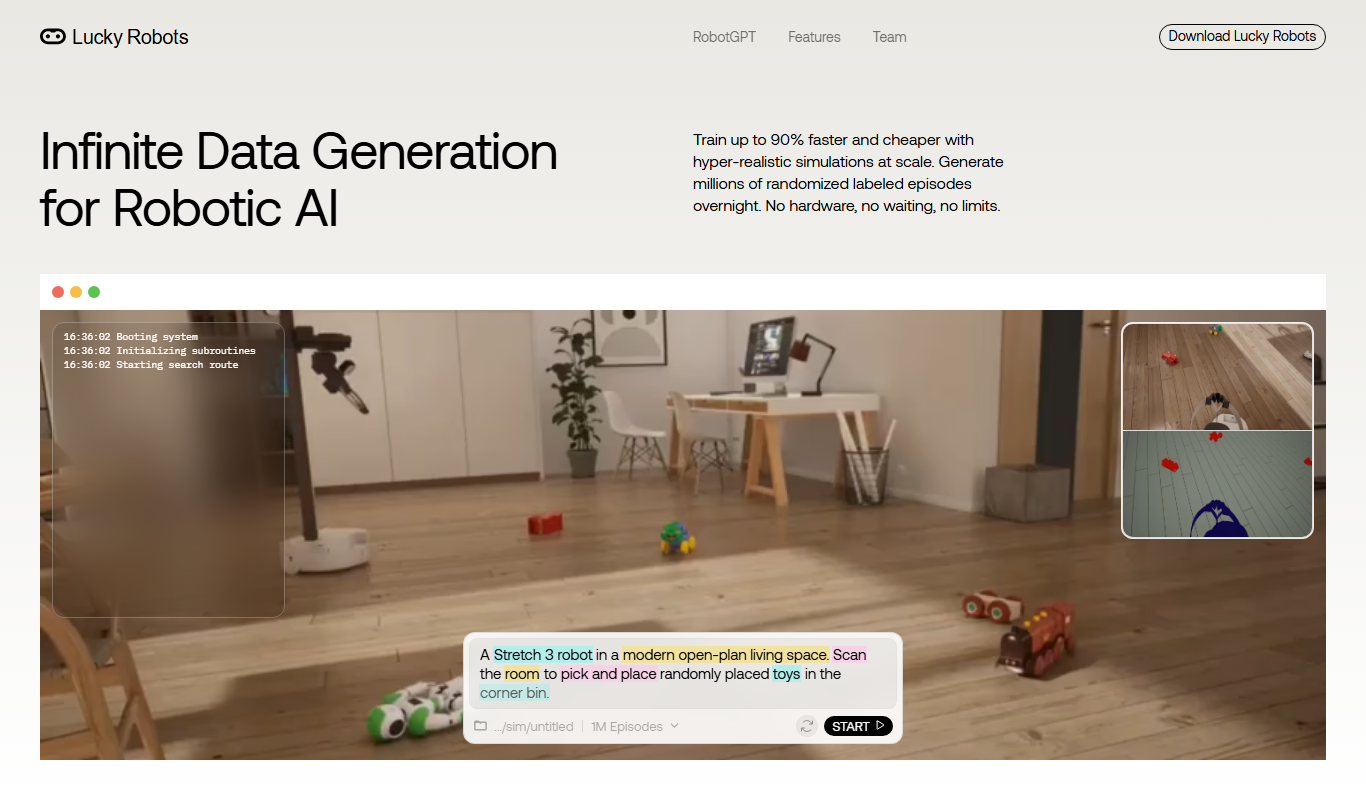
LuckyRobots
Lucky Robots offers Lucky Engine, a game engine purpose-built for robotics that generates labeled training episodes so robots learn in simulation before reality.

10x Rules
10xRules.ai lets you build personal AI coding rules from 86+ frameworks and manage team prompts on one platform, compatible with GitHub Copilot, Cursor and Windsurf.
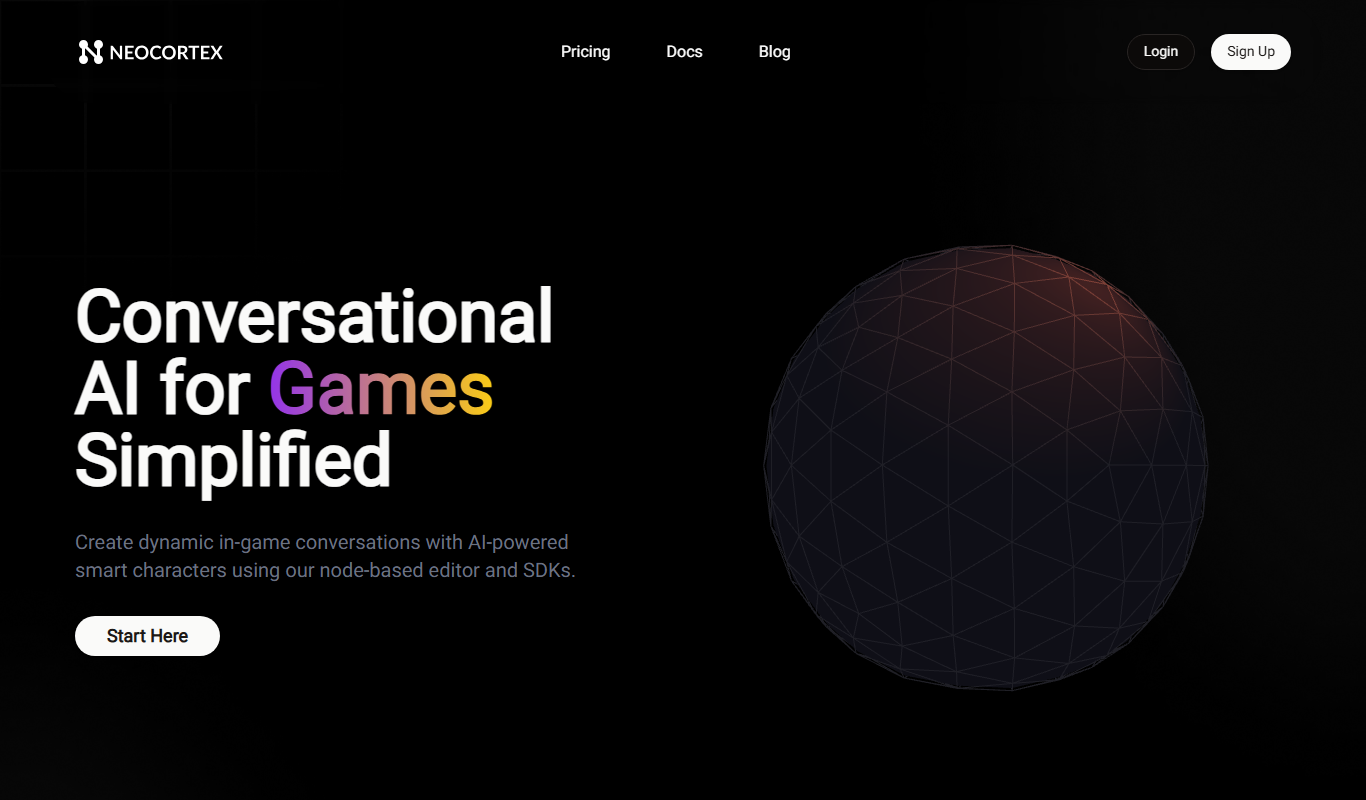
Neocortex
Neocortex lets you create dynamic game conversations and voice-controlled interactions with AI-powered smart characters, using a node-based editor and SDKs.

NuMind
NuMind builds NuExtract, multimodal LLMs that turn documents into structured JSON and clean Markdown, available via SaaS or private enterprise deployment.