
From my experience with Miros, I found it excels at delivering real-time anomaly detection tailored for industrial environments. The platform’s ability to integrate seamlessly with various IoT sensors and provide actionable predictive maintenance insights makes it a valuable tool for operations aiming to reduce downtime and optimize equipment health. However, Miros is primarily designed for medium to large industrial enterprises, and its pricing model requires direct consultation, which might be a barrier for smaller businesses. Overall, if your focus is on industrial IoT analytics and proactive maintenance, Miros offers a robust and specialized solution.

Miros AI Platform for Real-Time Industrial Anomaly Detection and Insights
Miros is an AI-driven platform that provides real-time anomaly detection and predictive maintenance insights for industrial equipment by analyzing IoT sensor data.
What is Miros?
Miros is an AI-powered platform designed for real-time anomaly detection and predictive maintenance in industrial environments. It uses advanced machine learning algorithms to analyze streaming sensor data from industrial equipment and processes, enabling companies to detect faults early, reduce downtime, and optimize operational efficiency.
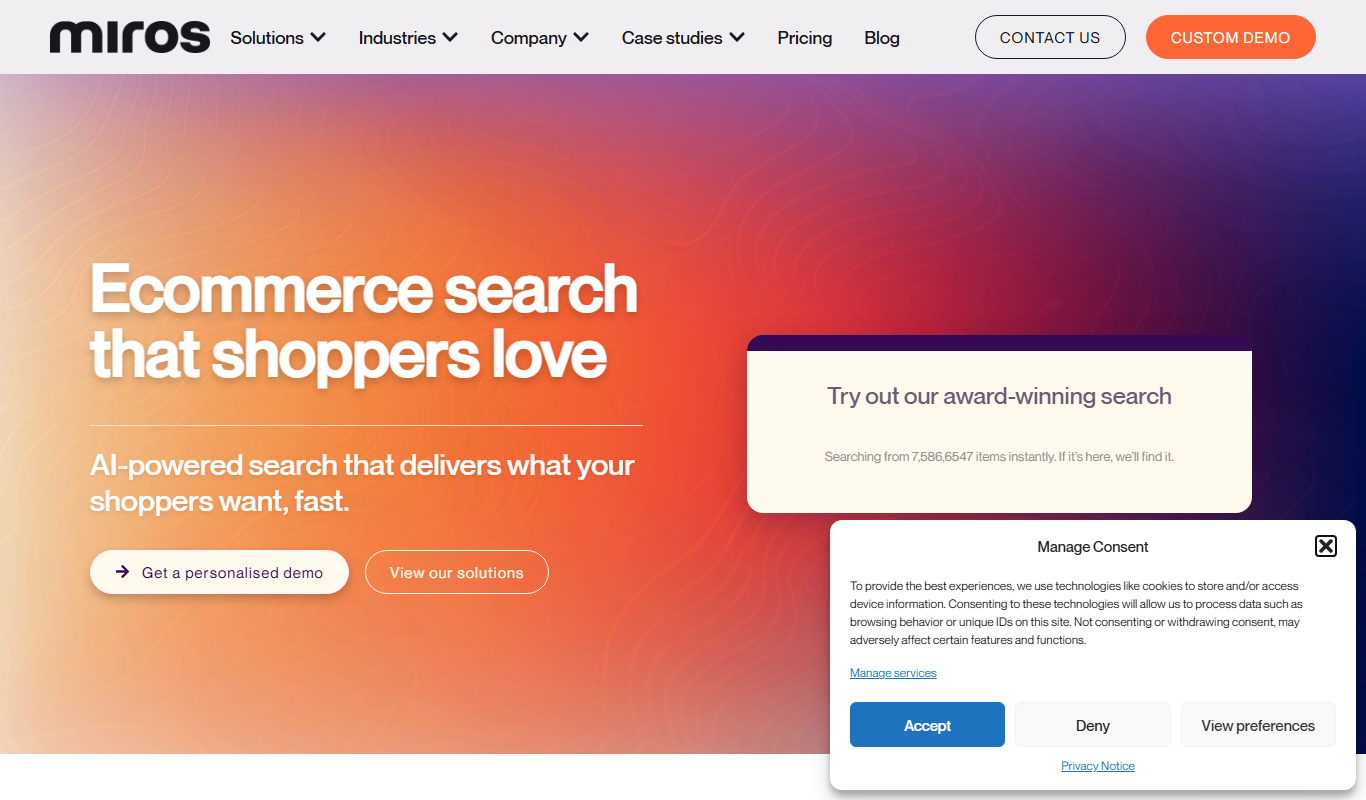
Key Features of Miros
Real-Time Anomaly Detection
Continuously monitors sensor data to identify abnormal patterns instantly.
Predictive Maintenance Recommendations
Provides actionable maintenance insights to prevent unexpected equipment failures.
IoT Sensor Data Integration
Supports integration with a wide range of industrial IoT devices and protocols.
Customizable Alerts
Enables users to configure alert thresholds and notification channels.
User-Friendly Dashboard
Offers an intuitive interface for monitoring, analysis, and reporting.
Pros and Cons of Miros
Pros
- Real-time anomaly detection reduces downtime
- Predictive maintenance insights improve equipment lifespan
- Supports broad IoT sensor integration
- Customizable alerts enhance operational responsiveness
- User-friendly dashboard simplifies monitoring
Cons
- Pricing is not publicly disclosed, requiring direct contact
- Primarily targeted at industrial enterprises, less suited for small businesses
- Limited language support (English only)
Key Use Cases for Miros
Industrial Anomaly Detection
Detect anomalies in industrial equipment and processes in real-time to prevent failures and downtime.
Predictive Maintenance
Leverage AI-driven insights to predict equipment maintenance needs before breakdowns occur.
IoT Data Analytics
Analyze streaming data from IoT sensors to monitor operational health and optimize performance.
Operational Efficiency Improvement
Identify inefficiencies and potential issues early to improve overall industrial process efficiency.
How Miros Works
-
1
Data Integration
Connect Miros to your industrial sensors and IoT devices to stream real-time data into the platform.
-
2
AI Model Training
Miros automatically trains machine learning models on your historical and streaming data to learn normal operational patterns.
-
3
Real-Time Monitoring
The platform continuously monitors incoming data to detect anomalies and deviations from normal behavior.
-
4
Alerts and Insights
Receive timely alerts and detailed insights to address potential issues before they escalate.
Who's Using Miros
Manufacturing companies
Energy and utilities providers
Industrial IoT operators
Maintenance and reliability engineers
Operations managers
Miros Pricing
Custom Pricing
Contact for pricing
Tailored pricing based on deployment scale and feature requirements.
Frequently Asked Questions About Miros
Miros primarily serves manufacturing, energy, utilities, and other industrial sectors requiring real-time equipment monitoring.
Yes, Miros supports integration with a wide range of industrial IoT sensors and protocols.
Miros is designed for industrial-scale operations and may be best suited for medium to large enterprises.
Some tools offer a free plan or trial with limited features. Availability can vary, so confirm on the official website.
It depends on your specific needs and how you plan to use the tool. The official website and documentation are the best sources for the latest details.
Integration support depends on the tool and its available connectors or API. Check the official documentation or integrations page to confirm what is supported.
Share your review
Reviews are limited to one per logged-in user and are published after moderation.
You need an account to review this tool.
0.0
★
★
★
★
★
0 reviews
5 star
0
4 star
0
3 star
0
2 star
0
1 star
0
No reviews yet
Be the first to share how this tool worked for you.
Questions from the community
Read questions and answers about this tool, or ask your own.
No questions yet
Start the conversation by asking the first question about this tool.
Is this tool helpful?

Free Trial
Multilings
Multilings is an AI-based translation tool designed to help users quickly translate and localize content into multiple languages with options for manual editing and bulk processing.

Free
Uncensored Chat by ModelsLab
Uncensored Chat by ModelsLab is a free web-based AI chatbot that provides uncensored and unfiltered AI conversations using open-source language models without requiring registration or payment.

Free
StendjalGPT
StendhalGPT is a free AI chatbot designed for French speakers to practice language skills and receive cultural information through natural conversations.

Free
Zenquiz.app
Zenquiz.app is a web-based tool that enables users to create, customize, and share interactive quizzes for education, training, marketing, and events, featuring an intuitive builder and real-time analytics.
Free
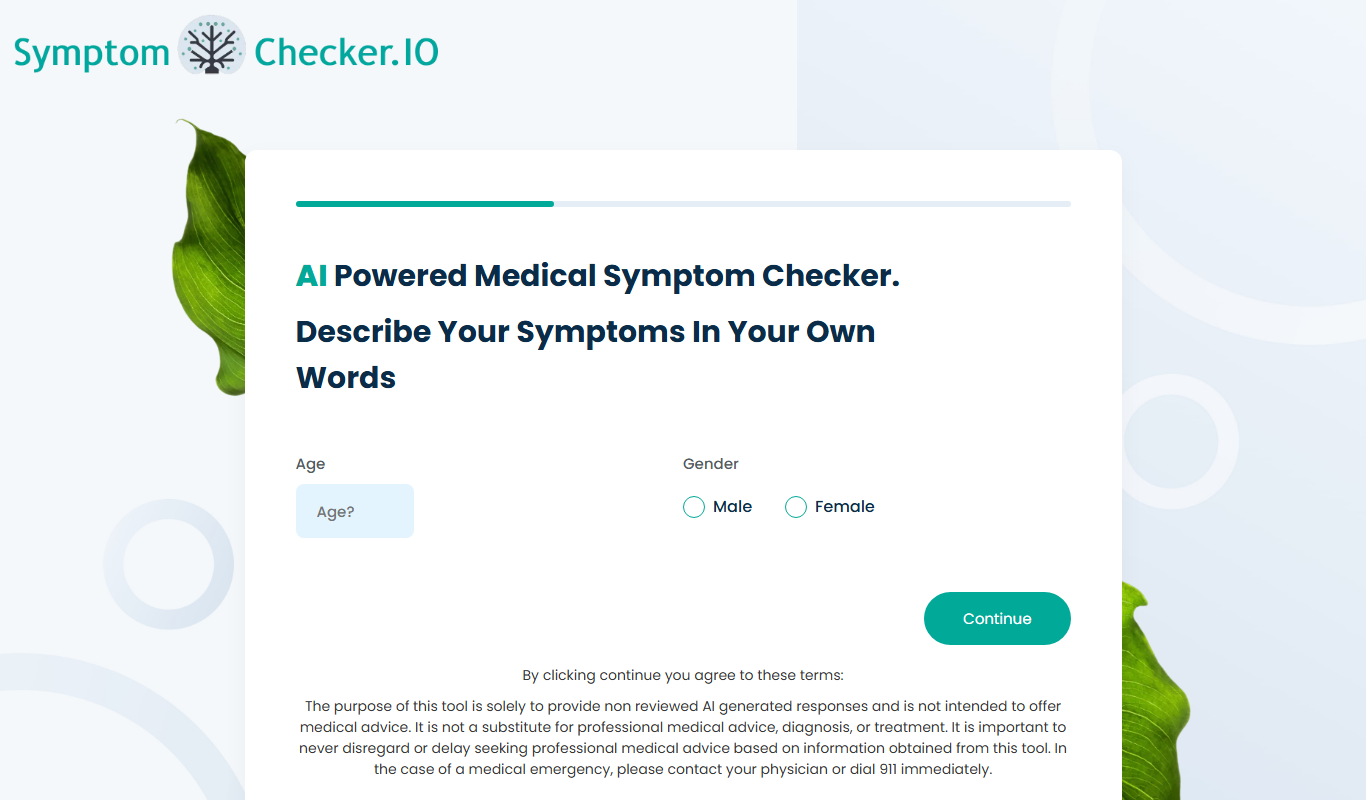
SymptomChecker.io
SymptomChecker.io is a free web-based tool that helps users input symptoms and receive possible medical condition matches to guide preliminary self-assessment.

Freemium
Kablio
Kablio is an AI-powered video creation platform that automates script generation and video editing to help marketers and content creators produce professional videos efficiently.
Custom Pricing
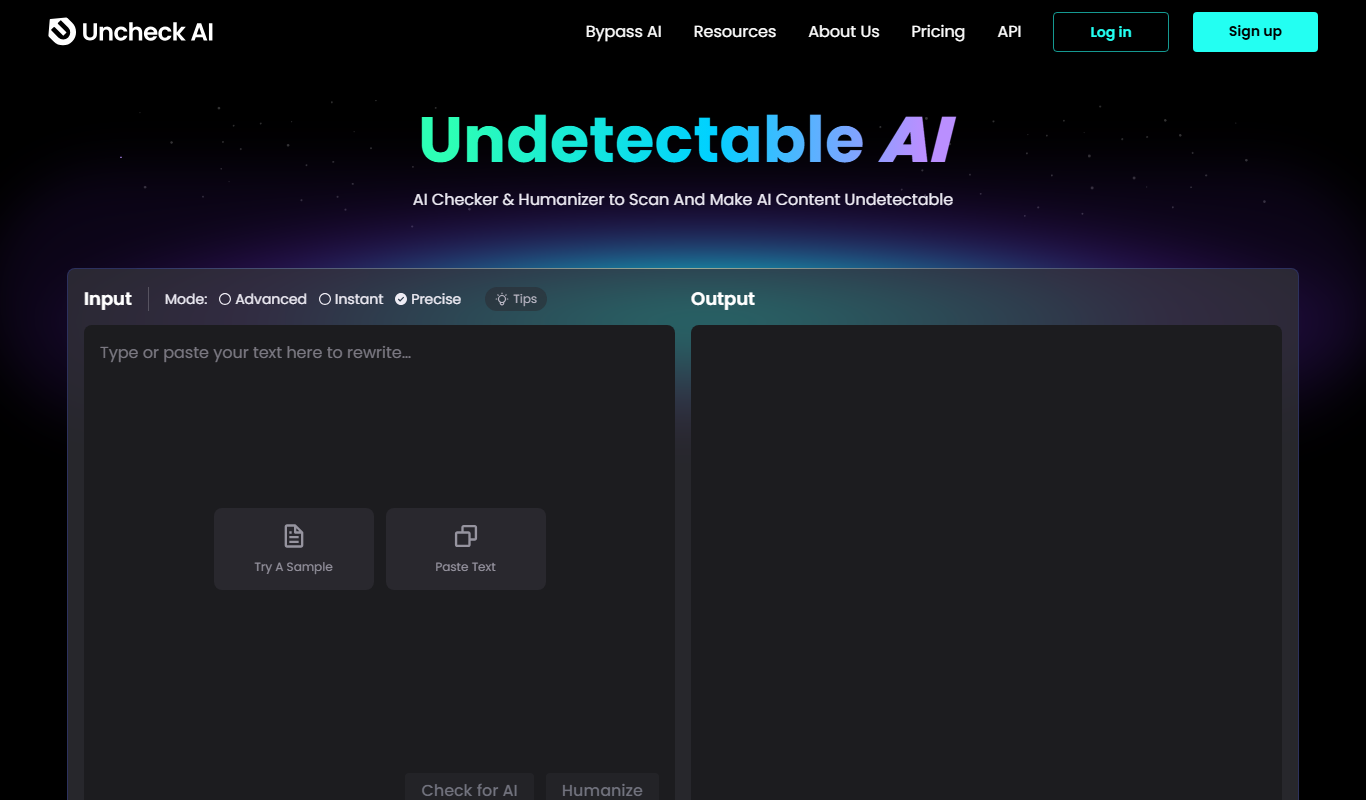
Uncheck AI
Uncheck AI is an AI-driven platform that automates document fraud detection and identity verification using machine learning to ensure authenticity and reduce manual review.
Freemium
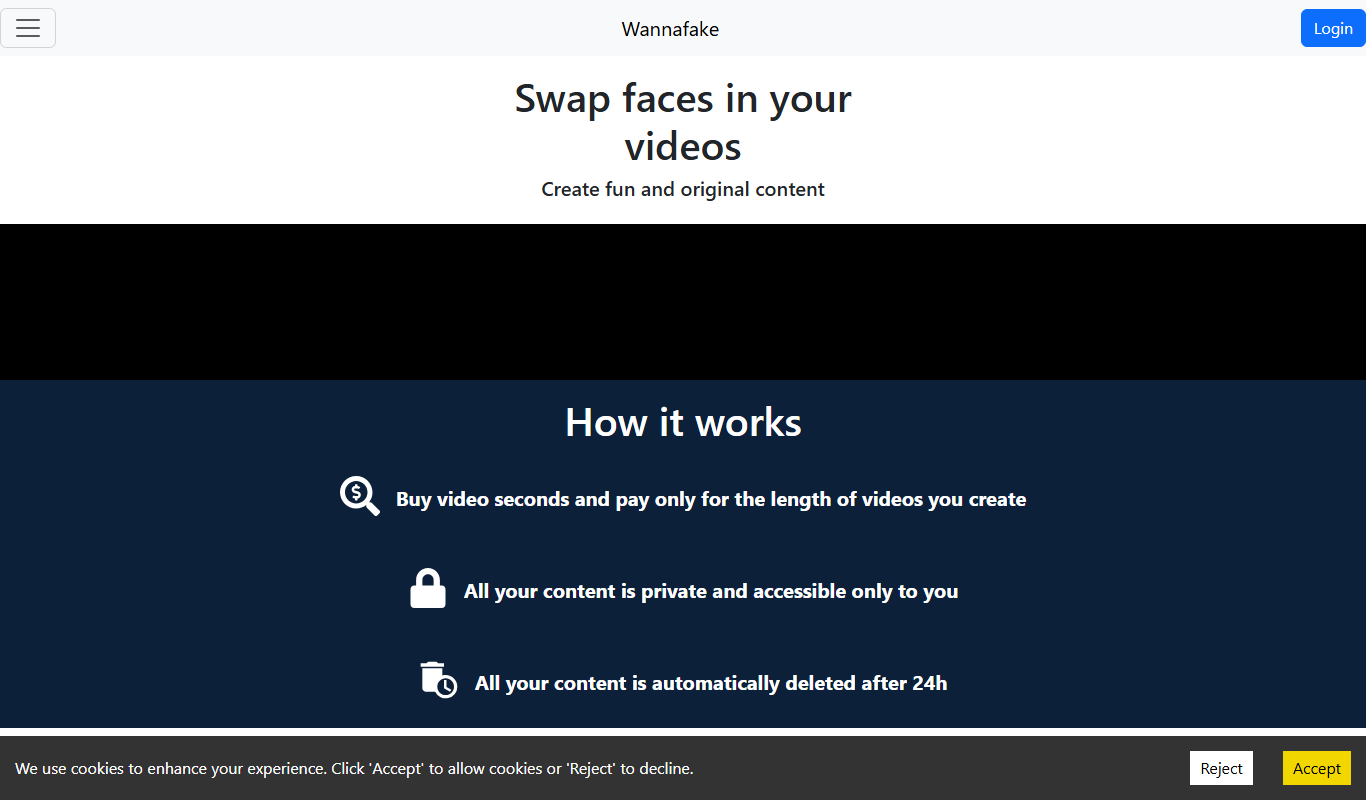
Wannafake
Wannafake is a mobile app that uses AI to swap faces in photos and videos, creating realistic deepfake content for entertainment and content creation.