

Turbonomic AI-Powered Application Resource Management for Cloud Optimization
Turbonomic is an AI-driven platform that automates application resource management to optimize performance and reduce costs across hybrid and multi-cloud environments.
- Best for
- Cloud Resource Optimization
- Key capability
- AI-Driven Resource Allocation
Save Turbonomic, follow its updates and vote on it — everything stays in your account.
Sign in or create a free accountWhat is Turbonomic?
Turbonomic is an AI-powered application resource management platform designed to optimize the performance, cost, and compliance of applications running in hybrid and multi-cloud environments. It continuously analyzes application demand and infrastructure supply to automate resource allocation decisions, ensuring applications get the resources they need without manual intervention.
Key features of Turbonomic
Turbonomic offers real-time analytics, AI-driven automation, hybrid cloud workload management, cost optimization, and capacity planning features that help enterprises maintain application performance while controlling infrastructure costs.
AI-Driven Resource Allocation
Automatically adjusts resources to meet application demand in real-time, preventing performance degradation.
Hybrid and Multi-Cloud Support
Supports management across various cloud providers and on-premises environments for unified control.
Cost Optimization
Identifies and eliminates wasteful resource usage to reduce cloud and infrastructure expenses.
Capacity Planning and Forecasting
Predicts future resource needs to help plan infrastructure investments effectively.
Automation and Orchestration
Automates routine IT operations to improve efficiency and reduce manual errors.
Pros and cons of Turbonomic
Pros
- Automates complex resource management tasks effectively
- Supports a wide range of cloud and on-premises platforms
- Helps reduce operational costs through AI-driven optimization
- Provides real-time analytics and actionable insights
- Scalable for enterprise-grade environments
Cons
- Pricing is custom and may be expensive for smaller organizations
- Requires integration effort with existing infrastructure
- Learning curve for teams new to AI-driven operations
Key use cases for Turbonomic
Cloud Resource Optimization
Automatically manage and optimize cloud resources to reduce costs and improve performance across hybrid and multi-cloud environments.
Application Performance Management
Ensure application performance by dynamically allocating resources based on real-time demand and workload requirements.
Capacity Planning
Predict future resource needs using AI-driven analytics to avoid overprovisioning or resource shortages.
Automation of IT Operations
Automate routine operational tasks such as scaling, provisioning, and workload placement to improve efficiency.
Hybrid Cloud Management
Manage workloads seamlessly across on-premises, private, and public cloud infrastructures with AI-driven insights.
How Turbonomic works
- 1
Connect Infrastructure
Integrate Turbonomic with your cloud, virtualization, and container platforms to collect real-time data.
- 2
Analyze Workloads
The AI engine continuously analyzes application demand and infrastructure supply to identify optimization opportunities.
- 3
Automate Actions
Based on AI recommendations, Turbonomic automatically executes actions such as scaling, migrating, or provisioning resources.
- 4
Monitor and Report
Track performance, cost savings, and compliance through dashboards and reports to maintain optimal operations.
Who is using Turbonomic
Turbonomic pricing
Custom Pricing
Contact Sales
Pricing tailored based on environment size, deployment complexity, and feature requirements.
Plans and prices are as published by the vendor and can change. Check the official site before you buy. Open the pricing page (opens in a new tab)
Frequently asked questions about Turbonomic
Turbonomic supports hybrid and multi-cloud environments including AWS, Azure, Google Cloud, VMware, and Kubernetes.
Yes, it uses AI to automatically allocate, scale, and optimize resources based on real-time application demand.
Yes, it identifies inefficiencies and automates actions to minimize waste and lower cloud spending.
Absolutely, it is designed to handle complex, large-scale environments with diverse workloads.
This tool is designed to help users accomplish its core tasks more efficiently. It is typically used by individuals or teams looking to improve productivity and workflow.
It depends on your specific needs and how you plan to use the tool. The official website and documentation are the best sources for the latest details.
It depends on your specific needs and how you plan to use the tool. The official website and documentation are the best sources for the latest details.
Yes, it can help with that use case depending on how you configure it and what features are available. You’ll get the best results with clear inputs and a defined goal.
Conclusion
Once connected to cloud, virtualization and container platforms, Turbonomic collects real-time data and continuously analyzes application demand against infrastructure supply. It then executes actions such as scaling, migrating or provisioning resources automatically, so applications get the resources they need without manual intervention. Supported environments include AWS, Azure, Google Cloud, VMware and Kubernetes.
Capacity planning forecasts future resource needs, and dashboards and reports track performance, cost savings and compliance. The platform is aimed at enterprise IT operations teams, cloud architects and managed service providers. Pricing is custom, based on environment size, deployment complexity and feature requirements, and a 30-day free trial without a credit card is available.
Sources
Sign in to review this tool.
Sign In to ReviewNo reviews yet
Be the first to share how this tool worked for you.
Ask about pricing, limits, or how it compares — or answer someone else.
Sign In to AskNo questions yet
Have a question about using or paying for this tool? Be the first to ask.
Featured on TiorAI



Alternative Tools
Explore similar AI tools that might fit your needs
CloudHealth
CloudHealth by Broadcom is a cloud management platform that helps enterprises optimize cloud costs, enforce governance policies and manage multi-cloud environments.

Dynatrace
Dynatrace is an AI-driven software intelligence platform that provides full-stack monitoring, automated root cause analysis, and cloud infrastructure visibility to optimize application performance and accelerate DevOps workflows.
New Relic
New Relic is a full-stack observability platform that helps developers and IT teams monitor application performance, infrastructure health, and user experience in real time with AI-powered analytics and customizable dashboards.
More AI DevOps Assistant tools
Other tools in the same category, for when this one is not quite the fit.

Serilog
Serilog is an open-source structured logging framework for .NET applications that enables developers to capture rich, queryable log data with support for multiple output sinks and contextual enrichers.
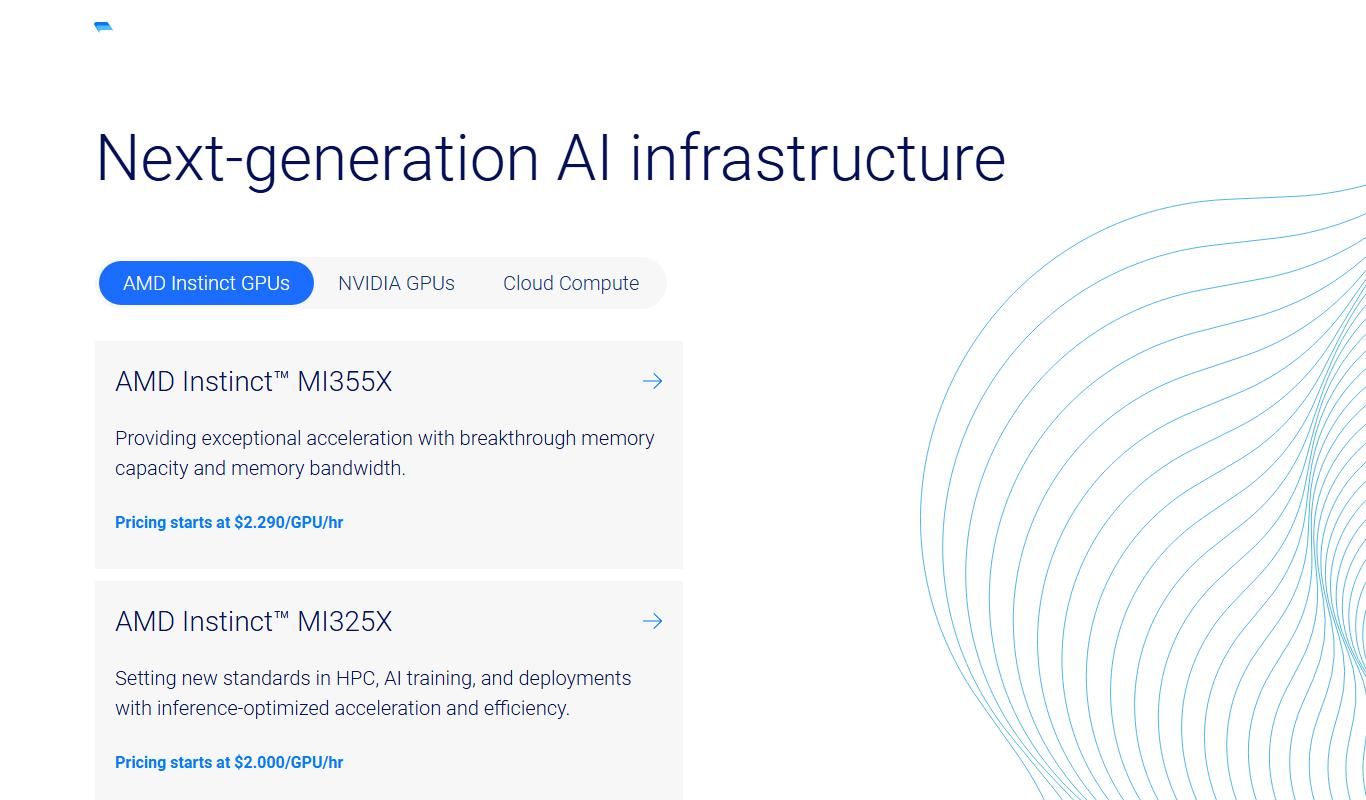
Vultr
Vultr is a cloud infrastructure provider offering scalable virtual servers, bare metal, and block storage with global data centers and a robust API for developers.

Linode
Linode is a cloud hosting provider offering virtual private servers, managed Kubernetes, and scalable infrastructure primarily for Linux-based applications, targeting developers and businesses needing reliable and affordable cloud compute resources.

DigitalOcean
DigitalOcean is a cloud infrastructure provider offering scalable virtual servers, managed Kubernetes, and databases designed for developers to deploy and manage applications efficiently.

Tailscale
Tailscale is a VPN service that creates a secure, private mesh network using WireGuard, enabling easy and encrypted remote access for teams and developers.

OpenDaylight
OpenDaylight is an open source software-defined networking platform that provides a modular controller framework to enable network automation, programmability, and support for multiple protocols like OpenFlow and NETCONF.

ONAP
ONAP is an open-source platform that automates the orchestration and lifecycle management of telecom networks, supporting 5G, SDN, and NFV technologies.

CloudZero
CloudZero is a cloud and AI cost intelligence platform with quote-based pricing.