

Tesla Full Self-Driving Computer Overview and Autonomous Driving Technology
Tesla's Full Self-Driving Computer is a custom AI hardware platform that processes sensor data to enable advanced autonomous driving features in Tesla vehicles.
- Best for
- Autonomous Driving
- Key capability
- Custom AI Chips
Save Tesla FSD Computer, follow its updates and vote on it — everything stays in your account.
Sign in or create a free accountWhat is Tesla FSD Computer?
The Tesla Full Self-Driving (FSD) Computer is a custom-designed AI hardware platform integrated into Tesla vehicles. It processes data from multiple sensors and cameras to enable advanced autonomous driving features. The computer runs Tesla’s proprietary neural networks to interpret the environment, make driving decisions, and assist or fully automate driving tasks.
Key features of Tesla FSD Computer
The FSD Computer features Tesla’s custom AI chips optimized for neural network processing, enabling real-time perception, path planning, and control. It supports features like Navigate on Autopilot, Auto Lane Change, Autopark, and Traffic Light and Stop Sign Control, continually improving through software updates.
Custom AI Chips
Tesla’s in-house designed chips provide high-performance neural network computation tailored for autonomous driving.
Redundancy and Safety
Dual-computer architecture ensures fail-safe operation with backup processing units.
Full Self-Driving Capability
Supports a suite of autonomous driving features aiming for full vehicle autonomy.
Real-Time Sensor Fusion
Combines inputs from multiple sensors to create a comprehensive understanding of the environment.
Pros and cons of Tesla FSD Computer
Pros
- High-performance custom AI hardware optimized for autonomous driving
- Continuous improvements via over-the-air software updates
- Integrated safety redundancy with dual-computer design
Cons
- Full autonomy not yet achieved; driver attention still required
- High cost for Full Self-Driving software upgrade
- Limited language support primarily English
Key use cases for Tesla FSD Computer
Autonomous Driving
Enables Tesla vehicles to navigate roads and traffic with minimal human intervention using AI-powered Full Self-Driving capabilities.
Driver Assistance
Provides advanced driver assistance features such as automatic lane changes, traffic-aware cruise control, and autopark.
Real-Time Environment Analysis
Processes sensor data from cameras and radar to understand the vehicle’s surroundings and make driving decisions.
Over-the-Air Updates
Receives continuous software improvements and new features remotely to enhance driving performance and safety.
How Tesla FSD Computer works
- 1
Sensor Data Collection
Cameras, radar, and ultrasonic sensors gather real-time data about the vehicle’s surroundings.
- 2
Neural Network Processing
The FSD Computer processes sensor inputs using deep neural networks to identify objects, lanes, and traffic signals.
- 3
Driving Decision Making
Based on processed data, the system plans the vehicle’s path and controls acceleration, braking, and steering.
- 4
Continuous Learning and Updates
Tesla pushes over-the-air updates to improve AI models and add new autonomous features.
Who is using Tesla FSD Computer
Tesla FSD Computer pricing
Included with New Vehicles
Included
The FSD Computer hardware is standard in new Tesla vehicles.
Full Self-Driving Upgrade
$15,000 (one-time upgrade fee)
Optional software package enabling advanced autonomous driving features.
Plans and prices are as published by the vendor and can change. Check the official site before you buy. Open the pricing page (opens in a new tab)
Frequently asked questions about Tesla FSD Computer
It is Tesla’s custom AI hardware that powers the Full Self-Driving features in Tesla vehicles.
Currently, it enables advanced driver assistance and partial autonomy, but full autonomy is still under development.
Tesla offers software upgrades for Full Self-Driving features; hardware upgrades require vehicle service.
It depends on your specific needs and how you plan to use the tool. The official website and documentation are the best sources for the latest details.
Yes, it can help with that use case depending on how you configure it and what features are available. You’ll get the best results with clear inputs and a defined goal.
It depends on your specific needs and how you plan to use the tool. The official website and documentation are the best sources for the latest details.
Conclusion
Inside Tesla vehicles, the FSD Computer processes sensor inputs using deep neural networks to identify objects, lanes and traffic signals. From that processed data the system plans the vehicle path and controls acceleration, braking and steering. The neural network computation runs on in-house designed chips, and a dual-computer architecture with backup processing units provides fail-safe operation. Over-the-air updates improve the AI models and add new autonomous features.
It is aimed at Tesla vehicle owners and at fleet operators interested in driver assistance. Full autonomy is still under development, so driver attention is still required. The Tesla FSD (Supervised) software is now offered as a subscription.
Sources
Sign in to review this tool.
Sign In to ReviewNo reviews yet
Be the first to share how this tool worked for you.
Ask about pricing, limits, or how it compares — or answer someone else.
Sign In to AskNo questions yet
Have a question about using or paying for this tool? Be the first to ask.
Featured on TiorAI



More AI Developer Tools tools
Other tools in the same category, for when this one is not quite the fit.
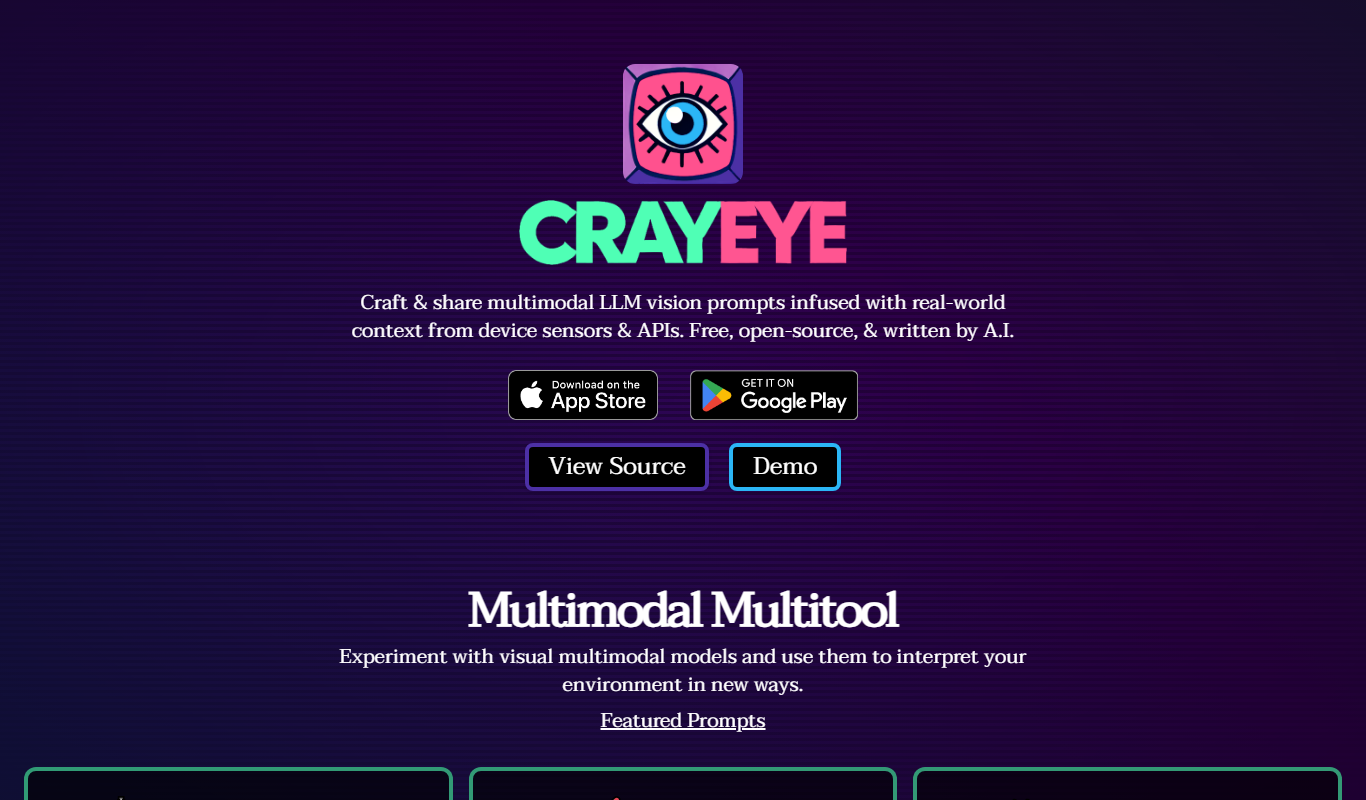
CrayEye
CrayEye is a free, open-source mobile app for crafting and sharing multimodal LLM vision prompts that use your camera plus sensor data such as location and weather.
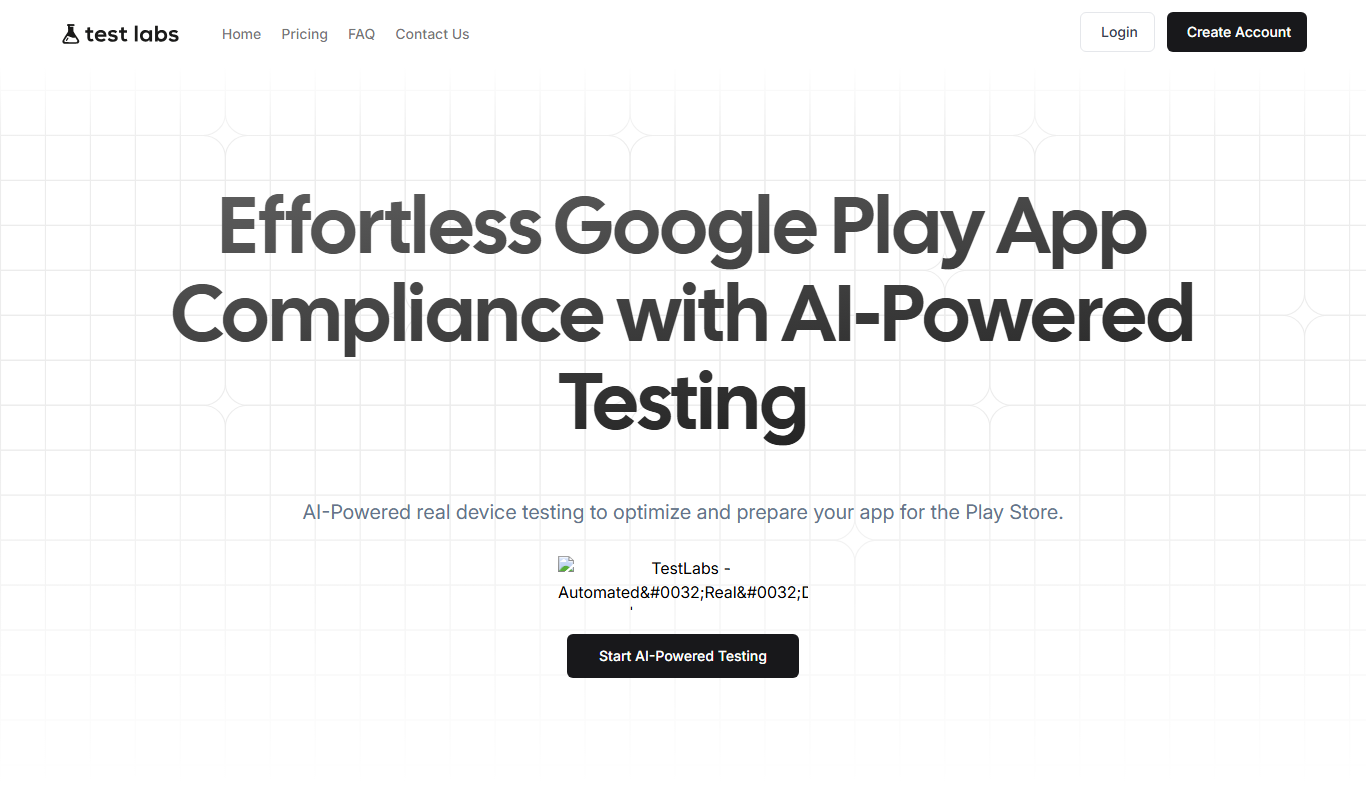
TestLabs
TestLabs tests your app on 20 real devices for 14 days to meet the Google Play testing policy, with daily reports, device logs and screenshots.

Modly
Modly.ai trains, fine-tunes and hosts custom large language models on your business data, delivered as a managed service with API access.

modl.ai
modl.ai automates game testing and QA with AI agents that play your build and analysts that report bugs, glitches and performance issues, with no SDKs or code needed.

Mirascope
Mirascope is The LLM Anti-Framework: open-source Python and TypeScript SDKs with one API for OpenAI, Anthropic and Google, plus tools, tracing and versioning.

Myple
Myple is a developer platform to build, deploy and secure AI applications such as AI agents and RAG chatbots, with SDKs, a CLI and a free Hacker plan.

Momentic
Momentic is an AI testing platform where agents run and maintain plain-English end-to-end tests for web, iOS and Android apps, locally or in CI.
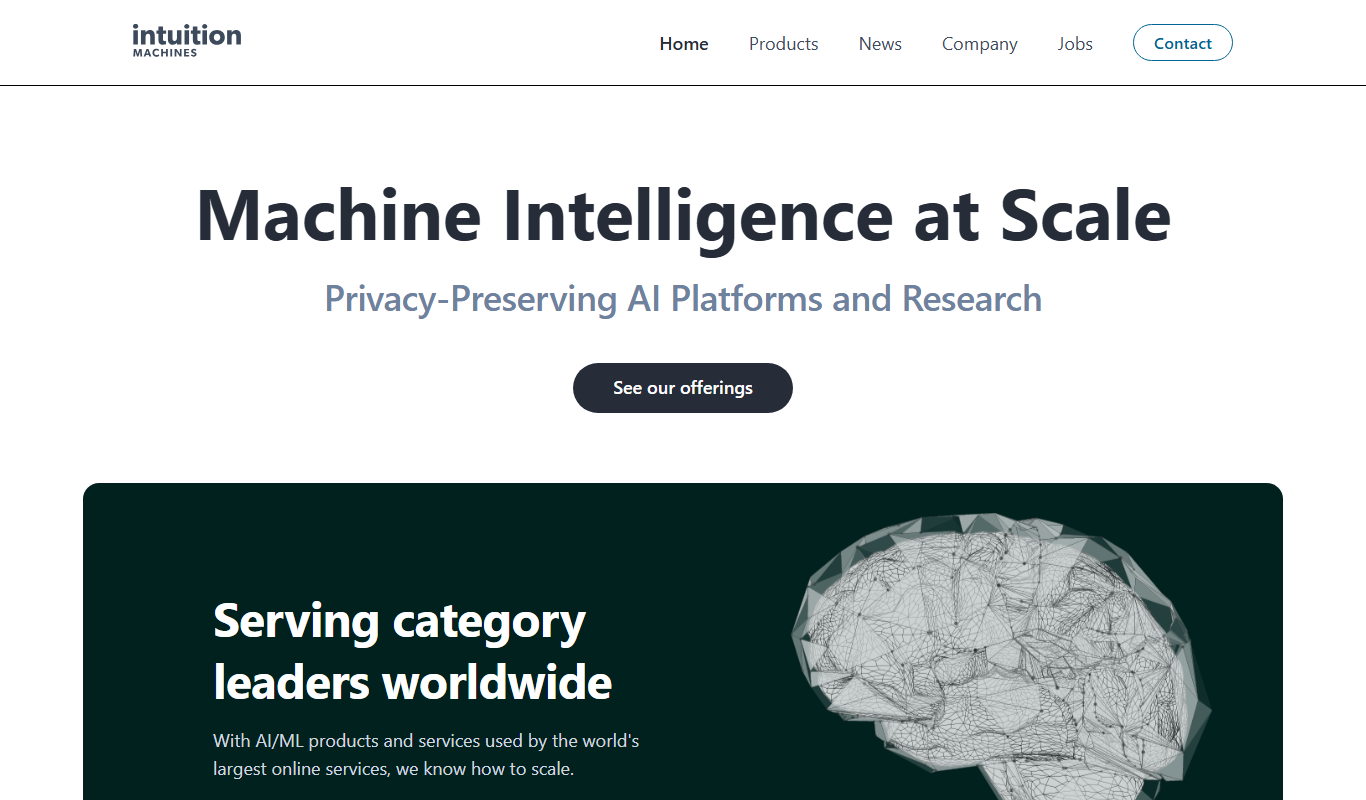
Intuition Machines
Intuition Machines builds privacy-preserving AI/ML platforms: the hCaptcha Security Suite against fraud and abuse, and the IM Perception Platform for training, deploying and improving ML models.