

Streamr Real-Time Data Streaming Platform for Decentralized Applications
Streamr is a decentralized peer-to-peer network for real-time data streaming where developers build on live data streams and data stream subscriptions can be bought and sold.
- Best for
- Real-Time Data Streaming
- Key capability
- Decentralized data network
Save streamr, follow its updates and vote on it — everything stays in your account.
Sign in or create a free account

What is streamr?
Streamr is a decentralized peer-to-peer network for real-time data, with serverless data streaming and media broadcasts that scale automatically. Developers publish and subscribe to live data streams, node operators stake tokens to relay streams and earn rewards, and data stream subscriptions can be bought and sold.
Key features of streamr
Streamr offers a decentralized network for live data streaming, a blockchain-based data marketplace, developer SDKs and APIs, real-time data visualization tools, and secure data monetization mechanisms. It supports integration with IoT devices and blockchain smart contracts to facilitate transparent and efficient data exchange.
Decentralized data network
A peer-to-peer pub/sub network with serverless data streaming and media broadcasts that scale automatically.
Blockchain-Powered Marketplace
Enables transparent and secure buying and selling of data streams using smart contracts.
Real-Time Data Streaming
Supports low-latency, continuous data flow suitable for time-sensitive applications.
Developer Tools and SDKs
Provides APIs and SDKs for easy integration with various programming environments.
Data Monetization
Allows data owners to monetize their streams directly without intermediaries.
Pros and cons of streamr
Pros
- Decentralized architecture enhances data security and trust
- Enables direct data monetization without intermediaries
- Supports real-time, low-latency data streaming
- Comprehensive developer tools and APIs
- Integrates well with IoT and blockchain applications
Cons
- Limited language support beyond JavaScript ecosystem
- Pricing details for enterprise plans are not publicly listed
- Requires understanding of blockchain concepts for full utilization
Key use cases for streamr
Real-Time Data Streaming
Enables developers to stream live data from IoT devices, applications, and sensors in a decentralized manner.
Decentralized Data Marketplace
Allows users to publish, share, and monetize data streams securely on a blockchain-powered marketplace.
Building Decentralized Applications (dApps)
Provides infrastructure and tools for integrating real-time data feeds into blockchain-based applications.
Data Monetization
Empowers data owners to sell their data streams directly to consumers without intermediaries.
IoT Data Integration
Facilitates seamless integration of IoT sensor data into applications requiring real-time analytics.
How streamr works
- 1
Connect Data Sources
Integrate your IoT devices, applications, or sensors with Streamr to start streaming live data.
- 2
Publish Data Streams
Create and publish data streams on the Streamr network to share or monetize your data.
- 3
Access Data Marketplace
Browse and subscribe to data streams available on the decentralized marketplace.
- 4
Integrate with dApps
Use Streamr’s APIs and SDKs to incorporate real-time data into your decentralized applications.
Who is using streamr
streamr pricing
Free
$0/month
Access to basic data streaming and marketplace features with usage limits.
Subscription
Custom pricing
Advanced features, higher usage limits, and enterprise support available via custom plans.
Plans and prices are as published by the vendor and can change. Check the official site before you buy. Open the pricing page (opens in a new tab)
Frequently asked questions about streamr
Streamr is used for real-time data streaming, decentralized data exchange, and building applications that require live data feeds.
Streamr uses blockchain technology and a decentralized network to ensure data integrity, transparency, and secure transactions.
Yes, Streamr’s marketplace allows data owners to publish and sell their data streams directly to buyers.
Streamr primarily supports JavaScript and Node.js through its SDKs and APIs.
It depends on your specific needs and how you plan to use the tool. The official website and documentation are the best sources for the latest details.
Data handling and security practices vary by provider. Review the official privacy policy to understand how your data is stored and used.
Yes, it can help with that use case depending on how you configure it and what features are available. You’ll get the best results with clear inputs and a defined goal.
Conclusion
Live data and media move across a decentralized P2P pub/sub network, with serverless data streaming that scales automatically. A publisher app publishes a stream, and its node relays the stream to subscribers. Builders use the Streamr SDK to build on data streams that fit their dApp tech stack.
Use cases on the official site include data delivery between AI models and AI agents, verifiable data from DePIN hardware or IoT devices, and buying and selling data stream subscriptions. Everything runs on the DATA token, an ERC-20 token used for project governance, staking on Streamr nodes and Streamr Hub payments. Node operators need to stake DATA tokens in order to earn from their bandwidth contributions, so running a node involves holding crypto tokens.
Sources
Sign in to review this tool.
Sign In to ReviewNo reviews yet
Be the first to share how this tool worked for you.
Ask about pricing, limits, or how it compares — or answer someone else.
Sign In to AskNo questions yet
Have a question about using or paying for this tool? Be the first to ask.
Featured on TiorAI



Alternative Tools
Explore similar AI tools that might fit your needs

The Graph
The Graph is a decentralized protocol that indexes and queries blockchain data using GraphQL, enabling developers to build fast and reliable decentralized applications.

Ocean Protocol
Ocean Protocol is a decentralized blockchain-based data exchange protocol that enables secure, privacy-preserving data sharing and monetization through data tokenization and smart contracts.
More AI Banner Generator tools
Other tools in the same category, for when this one is not quite the fit.

AI LinkedIn Banners
AI LinkedIn Banners analyzes a resume downloaded from LinkedIn and creates a personalized LinkedIn banner to download and upload to the profile.

Logo Theme AI
Logo Theme AI uses AI to adapt an existing logo to themes, events and occasions, with formats such as avatars, banners and app icons.
Backlinker AI
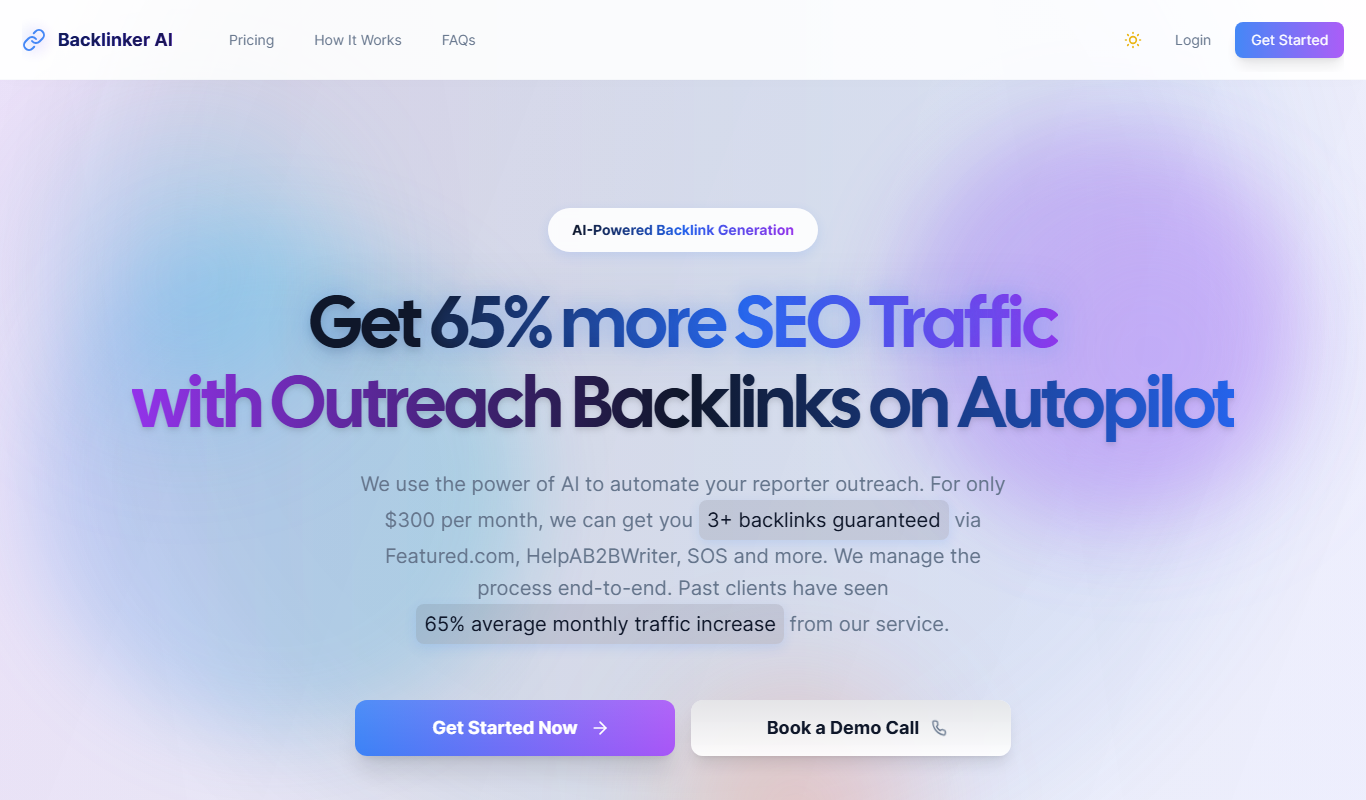
Backlinker AI is a done-for-you backlink service that uses AI to match a client's expertise with journalist queries and send personalized pitches, guaranteeing 3+ DR 30+ backlinks per month.

Bluepear Brand Bidding Detection Tool
Bluepear Brand Bidding Detection Tool helps marketers identify when competitors bid on their brand keywords in paid search, providing real-time alerts and detailed competitor ad analysis to protect brand integrity and optimize PPC strategies.

Caption & Hashtag Generator
CaptionGenerator is a caption library for Instagram and TikTok with free captions by category and premium caption packs sold as one-time PDF downloads.
StarNgage
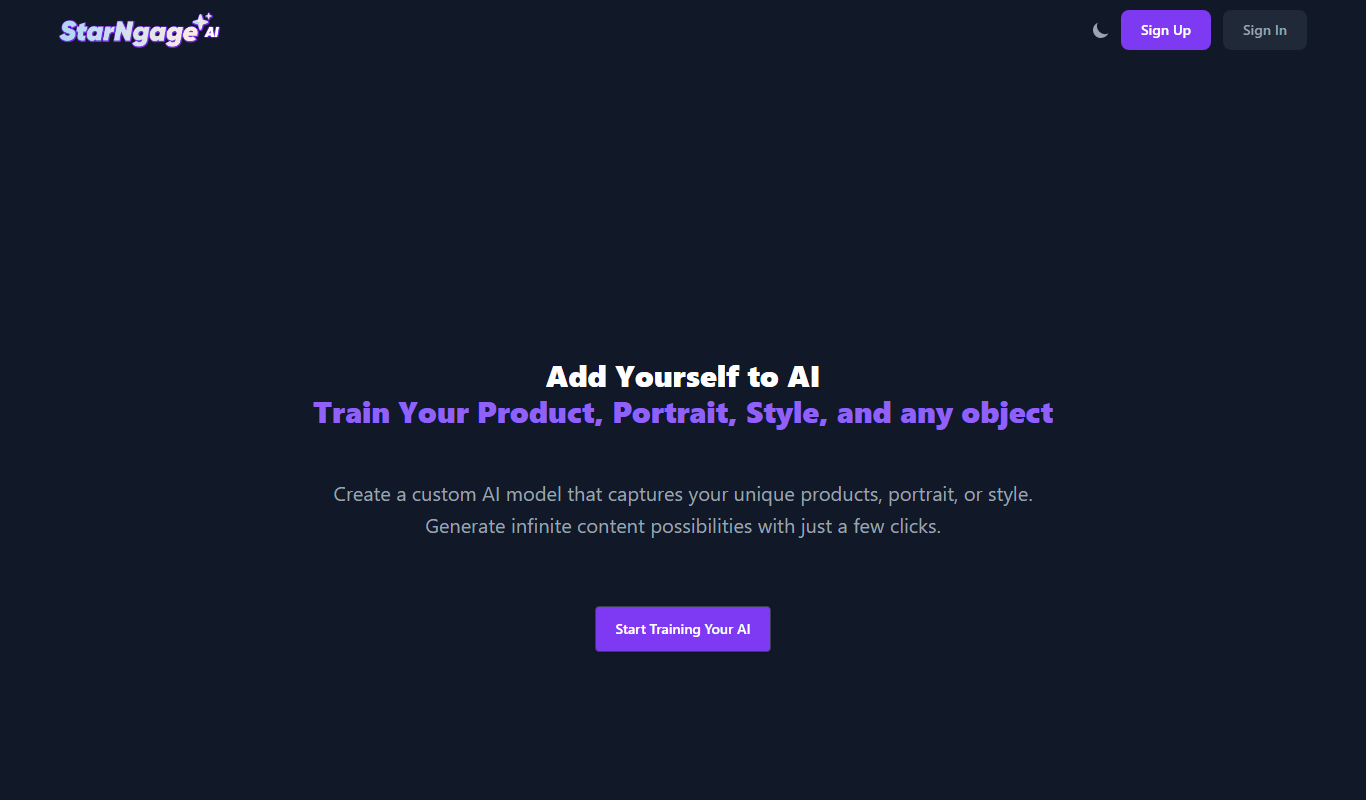
StarNgage is an influencer marketing platform and creator marketplace where brands find influencers, check audience analytics and run campaigns with creators.

Poster Generator
Poster Generator is a free web-based tool that enables users to design and download custom posters quickly using templates and simple editing features without needing graphic design experience.

CorelDRAW
CorelDRAW is a professional graphic design software suite used for vector illustration, page layout, photo editing, and typography, available on Windows and Mac platforms.