

Freemium
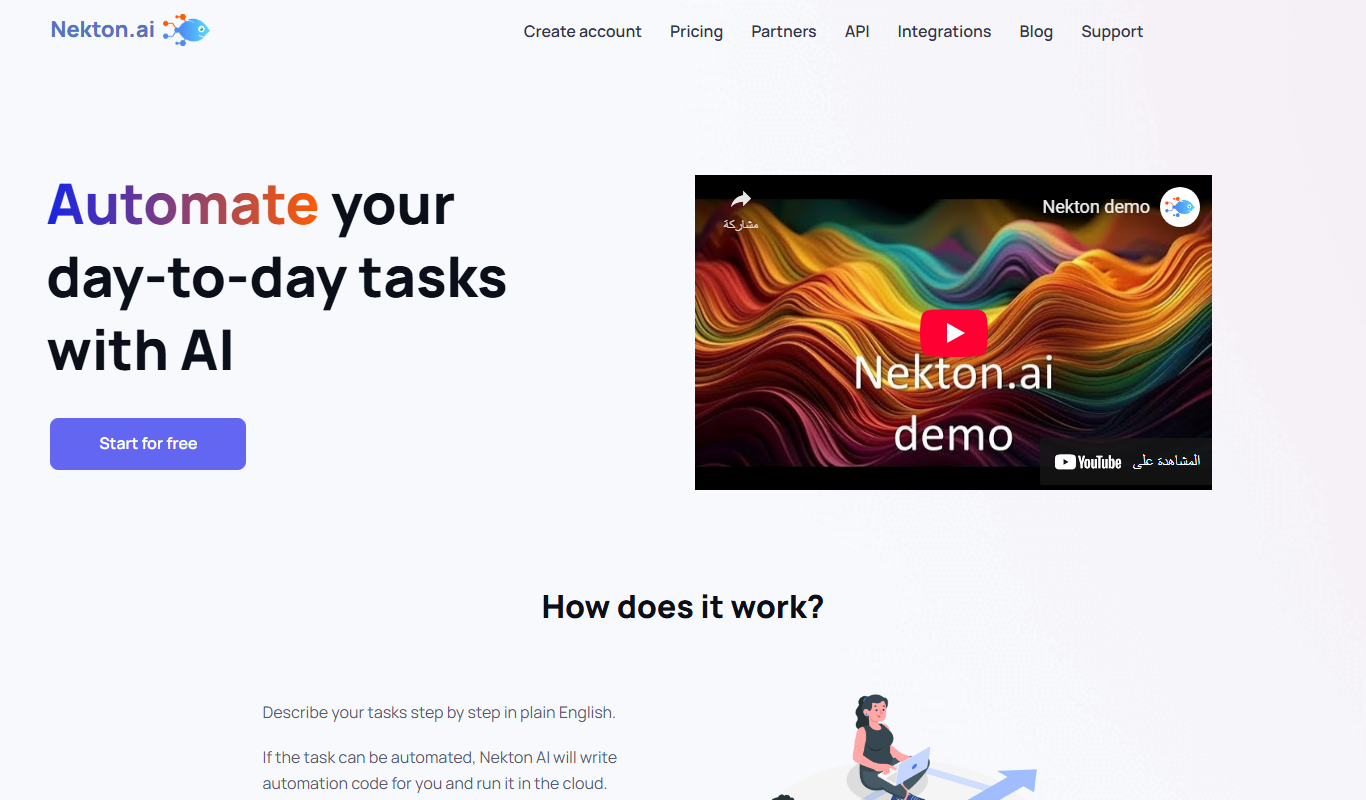
Nekton.ai
Nekton automates day-to-day tasks with AI: describe a task in plain English and it writes automation code and runs it in the cloud.
Every AI tool we track, with pricing, platform and category on each entry. Filter down to a shortlist, then open the ones worth a closer look.
Filter 8,929 AI tools by pricing, category, platform and language.
Nekton automates day-to-day tasks with AI: describe a task in plain English and it writes automation code and runs it in the cloud.

PseudoEditor is a free online pseudocode editor and compiler with syntax highlighting, exam board syntax rules and cloud saving.
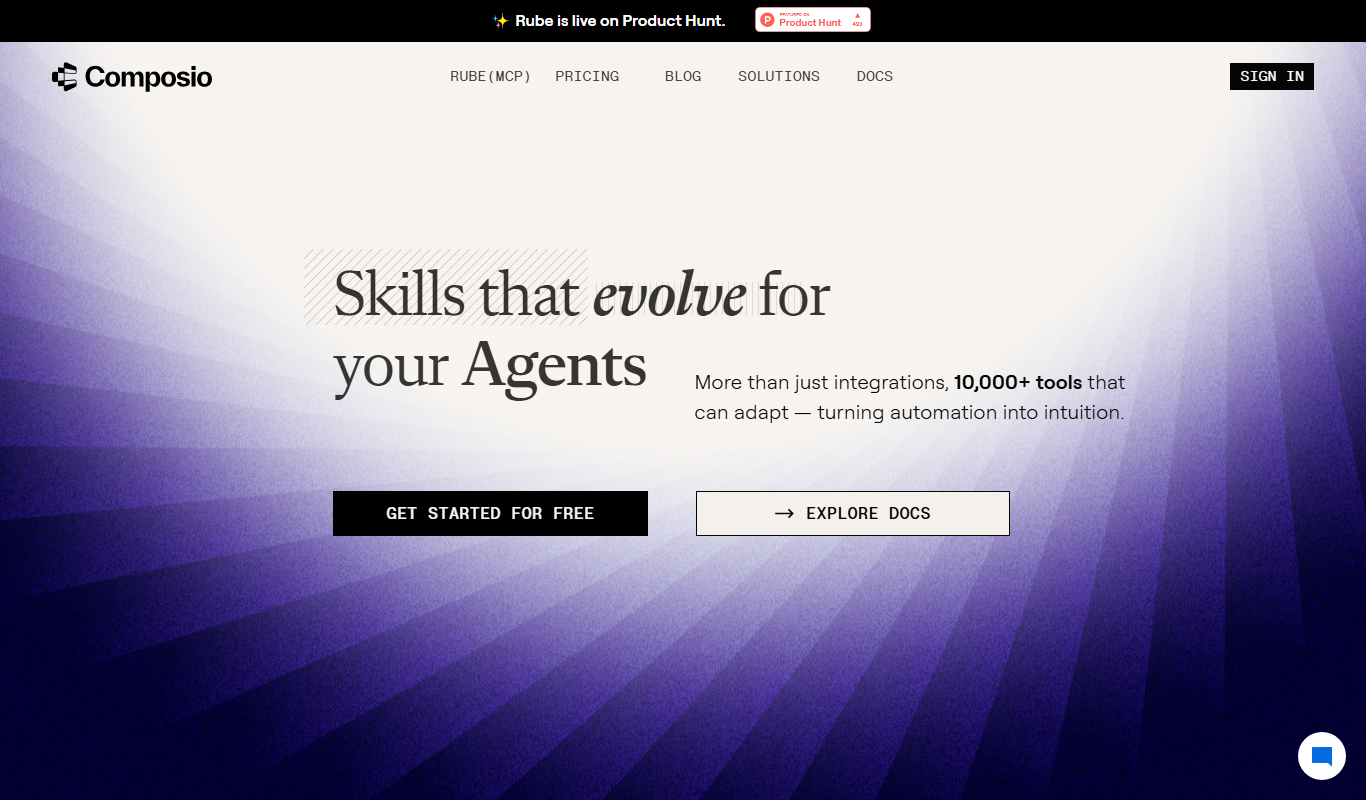
Composio connects AI agents to 1,500+ apps with tool calling, managed auth and sandboxed execution.

Ellipsis runs Claude Code and Codex agents in the cloud, defined as YAML config files in a repo, to build features, fix bugs and review code.
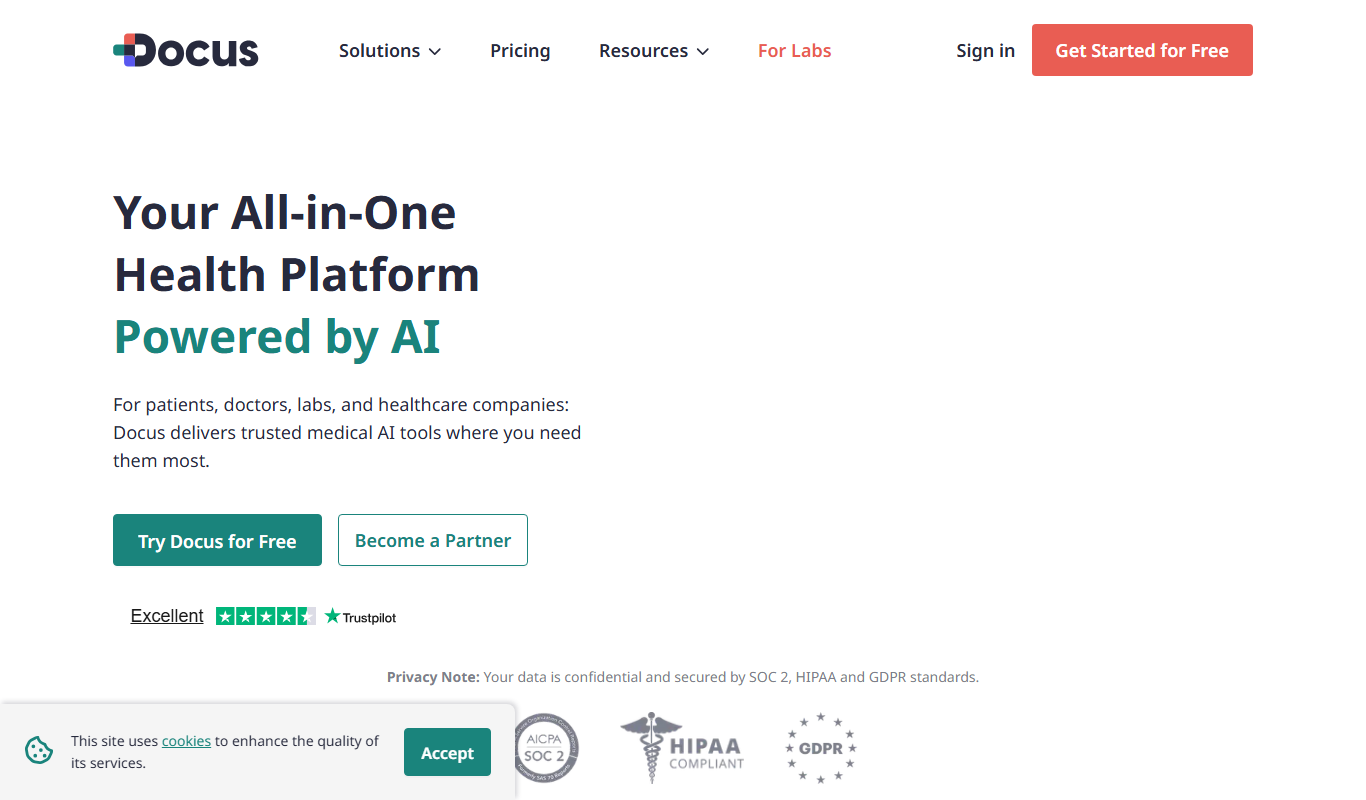
Docus is an AI platform for diagnostic labs that automates interpretation of test results, follow-ups and compliance checks.

Tinq.ai is an AI workspace that connects data sources such as Google Drive, SharePoint and Notion to ChatGPT, Claude, Gemini or any AI assistant, and also offers NLP APIs for text analysis.

Userdoc is an AI software definition workspace for writing user stories, acceptance criteria and specs, and for turning existing code into documentation.
INSINTO builds accessible AI tools for small businesses and solo founders, led by Ask Freya, an autonomous AI assistant for business operations.

Real Or AI is an online tool that detects whether text is AI-generated or human-written by analyzing linguistic patterns and providing a probability score.

Neuwo provides contextual AI and monetisation solutions that help publishers earn more from their content and advertisers reach contextual audiences.

wedetect.ai is a free AI image detector that estimates whether a photo or screenshot is AI-generated or real, with no sign-up.
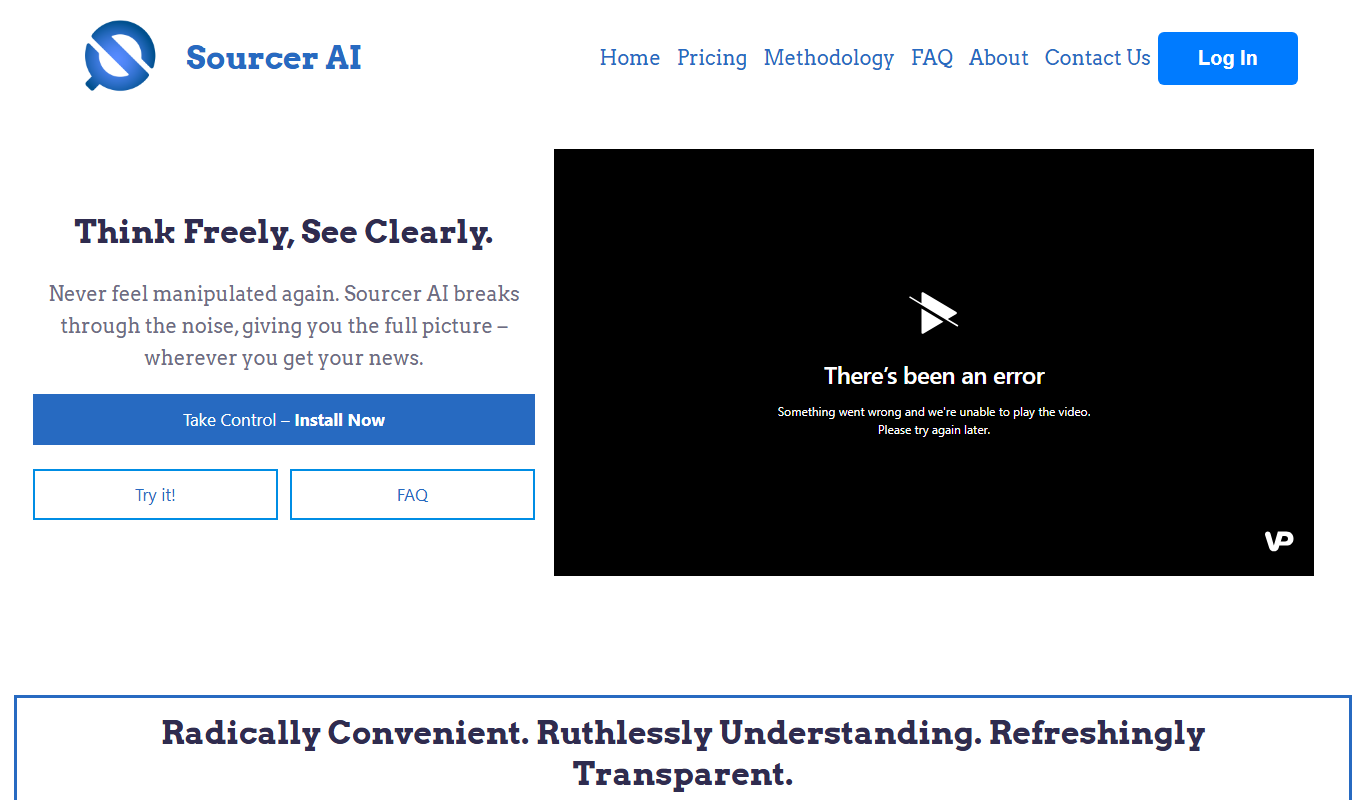
Sourcer AI is a browser extension that summarizes news articles and posts and rates their reputability and political bias in one click.
Page 275 of 338
Ten tools per shortlist, ranked, for when a category is still too many results.
Still deciding
Pricing, supported platforms and what each one is actually good at, laid out in one table. 764 comparisons are written and ready.
Browse comparisonsComparable tools for the products people already use.
Every one of the 8,929 entries here carries the same fields: what the tool does, what it costs, which platforms it runs on, and which categories it belongs to. That is what makes filtering across the whole catalogue possible rather than decorative.
The catalogue is not the point on its own; competitors list the same tools. What is worth your time is what sits on top of it: comparisons that commit to a recommendation, alternative sets that are genuinely comparable, and entries that get corrected when a vendor changes its pricing.
Start from a category rather than the full list: the category index above jumps straight into the twelve largest ones. From there, use the pricing shortcuts to drop anything outside your budget, then open the three or four entries that look closest and compare them side by side.
Free means there is a usable tier at no cost with no time limit. Freemium means a free tier exists but the useful features sit behind a paid plan. Free trial means paid-only after a fixed evaluation window. Subscription means recurring billing with no free tier. Labels come from the vendor and are re-checked when a listing is updated.
Yes. Category, pricing, tech stack, language and platform stack together, and every combination has its own URL, so a filtered view can be bookmarked or shared. Active filters appear above the results and can be removed one at a time.
Around 8% of entries have no captured screenshot, usually because the tool sits behind a login or the site blocks automated capture. Those entries show the tool's initial instead. It is not a signal about the tool's quality.
Newest first, so the front of the directory reflects what has recently shipped. Switch the sort to Top Rated for the highest-scoring entries, or Most Popular to order by real visitor interest across views and outbound clicks.
An alternatives page answers "what else does this job?" and lists comparable tools for one product. A comparison page takes two named tools and works through pricing, capability and fit to reach a recommendation. Both are linked from every tool entry.