


Free
Skip
Skip is an AI-powered writing assistant that helps users generate and edit content efficiently through a web platform and Chrome extension.
Every AI tool we track, with pricing, platform and category on each entry. Filter down to a shortlist, then open the ones worth a closer look.
Filter 8,929 AI tools by pricing, category, platform and language.
Skip is an AI-powered writing assistant that helps users generate and edit content efficiently through a web platform and Chrome extension.

RSS Filter is a free web tool that allows users to filter RSS feeds by keywords, generating customized feeds with only relevant content.
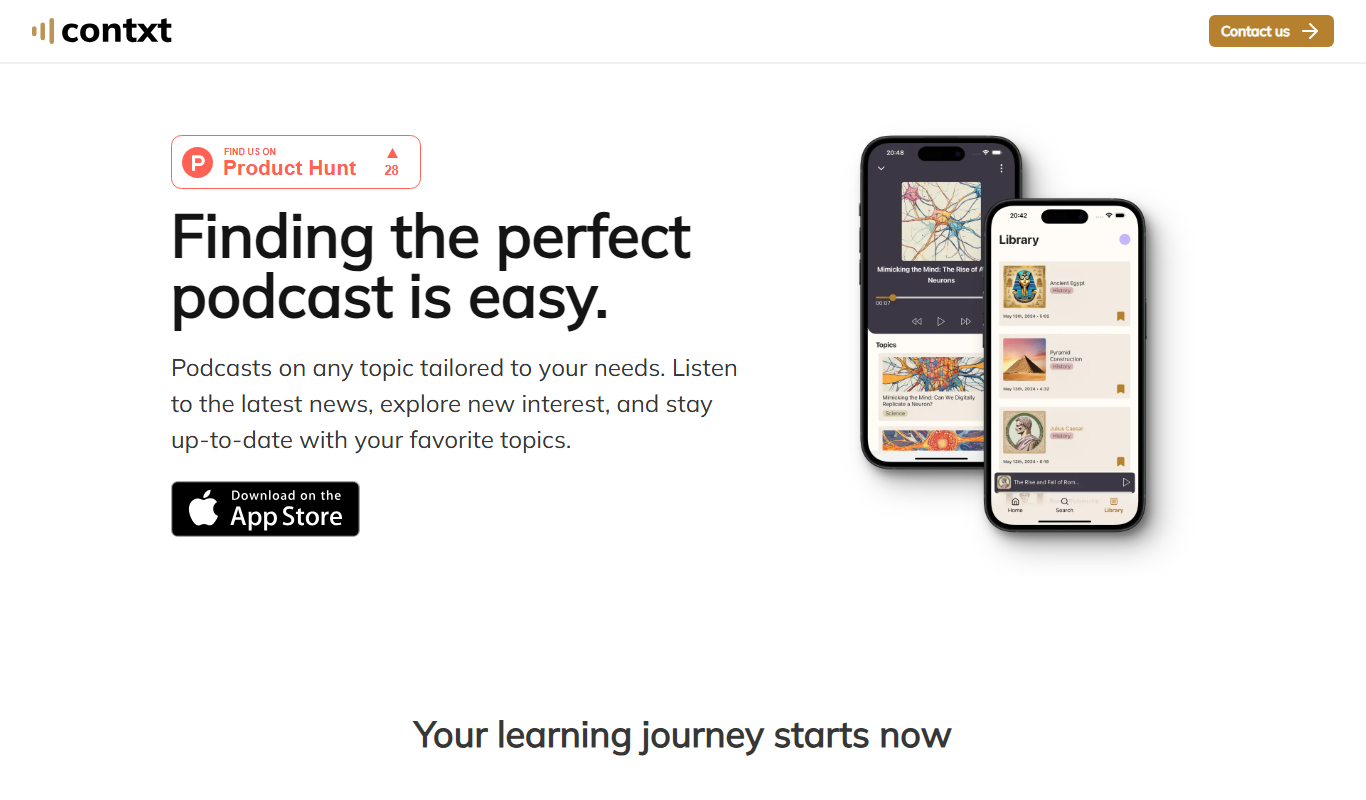
Contxt is an iOS app for personalized AI generated podcasts: any topic as a 6 minute episode, with recommendations and a library.
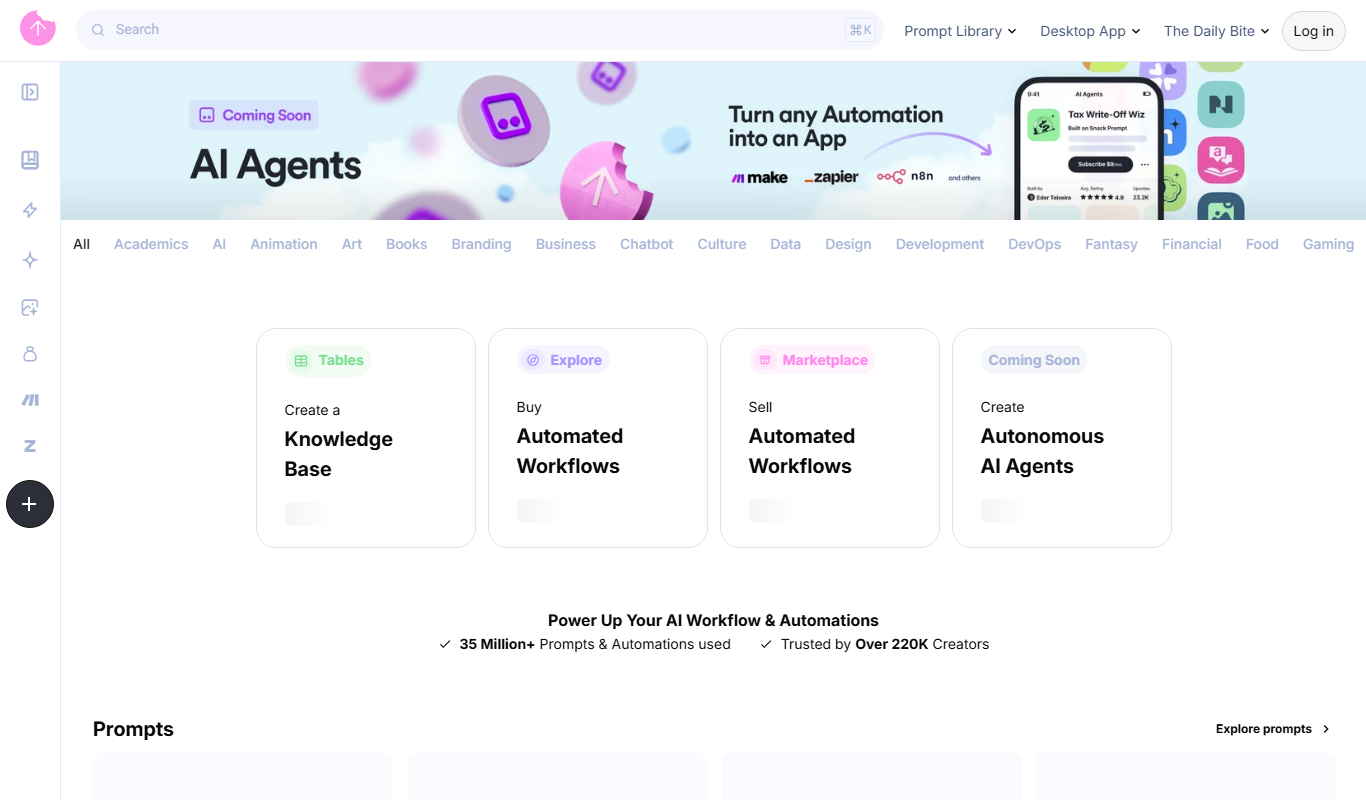
Snack Prompt is a web-based AI writing assistant that generates creative content and copywriting prompts to help users produce high-quality text efficiently.

Subscribr AI is an automated tool that uses artificial intelligence to create personalized popups for capturing email subscribers and generating leads, integrating with popular email marketing platforms.
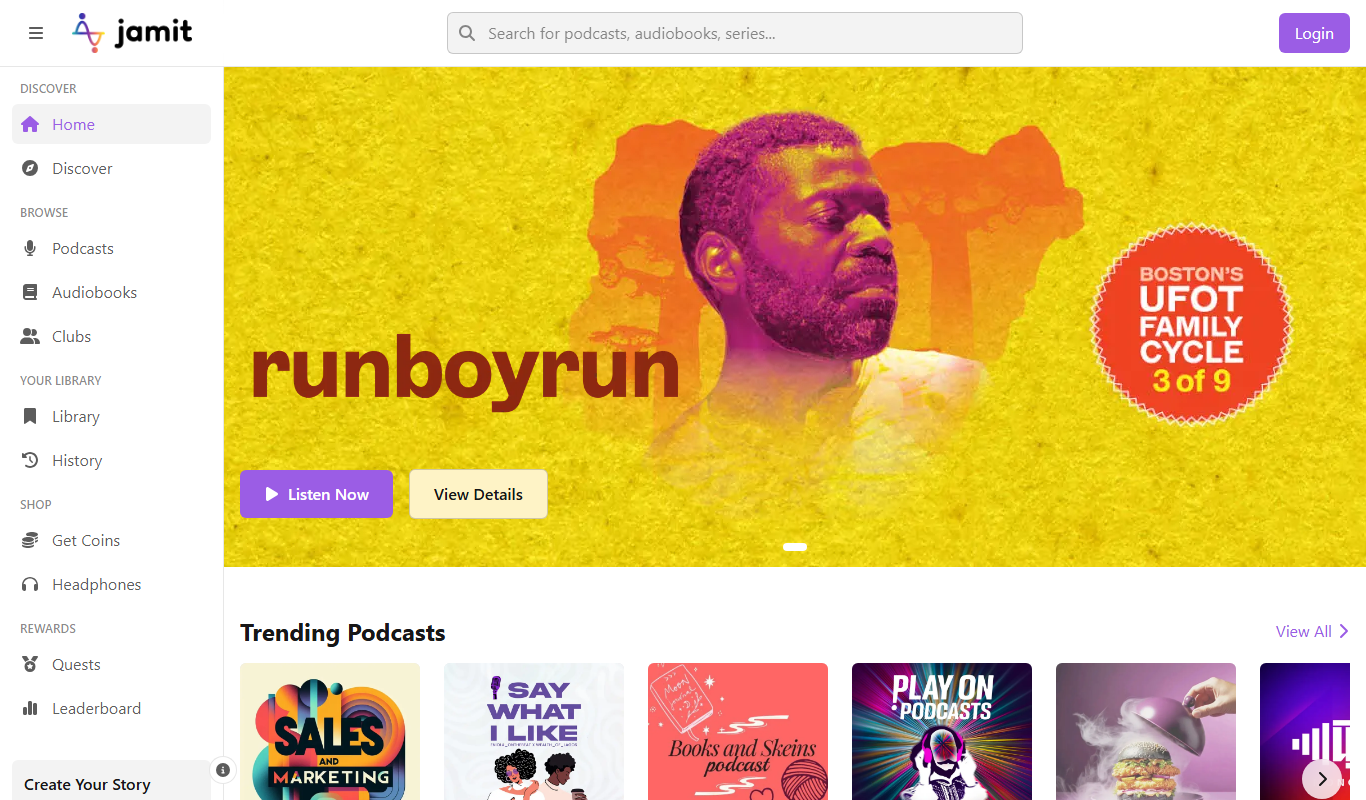
Jamit.app is a web-based collaborative jamboard platform that enables remote teams to brainstorm, plan, and collaborate visually in real time using sticky notes, drawings, and images.

Listen411 transcribes any podcast episode in about 1 minute, pay as you go with no subscription required.

GistReader is a read-it-later app that uses AI to summarize your content and remove distractions.

JournoPitch is an all-in-one PR workflow to create, score, publish, send outreach and track results, with AEO-scored pitches, press releases, explainers and social posts.

Podcast Shownotes Generator is an AI-powered web tool that creates detailed, SEO-optimized summaries for podcast episodes, helping podcasters save time and improve discoverability.

Accha FM is an online platform that enables users to broadcast live radio shows and host podcasts with multilingual support and community features.
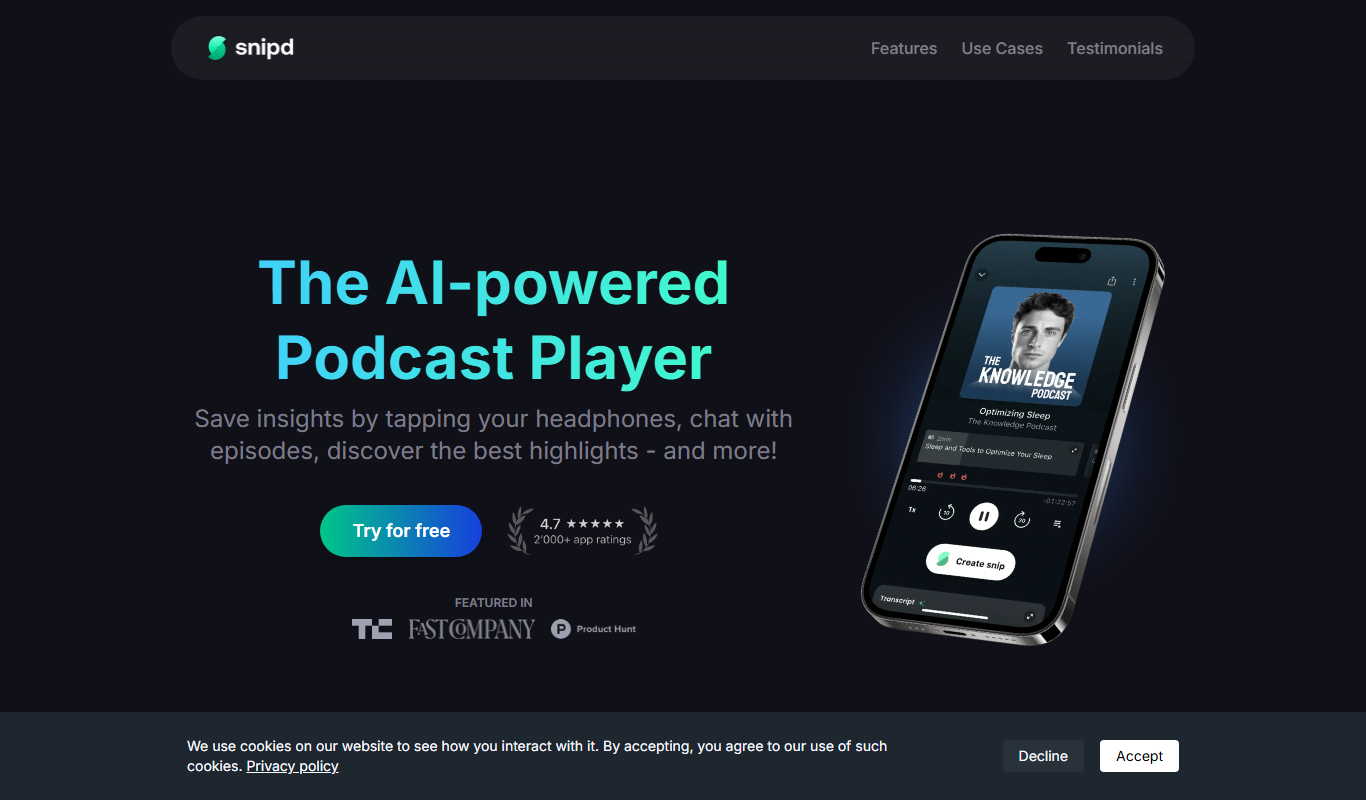
Snipd is an AI-powered podcast player that provides automatic transcripts, smart highlights, and clip creation to help users quickly find and share important podcast moments.
Page 171 of 263
Ten tools per shortlist, ranked, for when a category is still too many results.
Still deciding
Pricing, supported platforms and what each one is actually good at, laid out in one table. 764 comparisons are written and ready.
Browse comparisonsComparable tools for the products people already use.
Every one of the 8,929 entries here carries the same fields: what the tool does, what it costs, which platforms it runs on, and which categories it belongs to. That is what makes filtering across the whole catalogue possible rather than decorative.
The catalogue is not the point on its own; competitors list the same tools. What is worth your time is what sits on top of it: comparisons that commit to a recommendation, alternative sets that are genuinely comparable, and entries that get corrected when a vendor changes its pricing.
Start from a category rather than the full list: the category index above jumps straight into the twelve largest ones. From there, use the pricing shortcuts to drop anything outside your budget, then open the three or four entries that look closest and compare them side by side.
Free means there is a usable tier at no cost with no time limit. Freemium means a free tier exists but the useful features sit behind a paid plan. Free trial means paid-only after a fixed evaluation window. Subscription means recurring billing with no free tier. Labels come from the vendor and are re-checked when a listing is updated.
Yes. Category, pricing, tech stack, language and platform stack together, and every combination has its own URL, so a filtered view can be bookmarked or shared. Active filters appear above the results and can be removed one at a time.
Around 8% of entries have no captured screenshot, usually because the tool sits behind a login or the site blocks automated capture. Those entries show the tool's initial instead. It is not a signal about the tool's quality.
Newest first, so the front of the directory reflects what has recently shipped. Switch the sort to Top Rated for the highest-scoring entries, or Most Popular to order by real visitor interest across views and outbound clicks.
An alternatives page answers "what else does this job?" and lists comparable tools for one product. A comparison page takes two named tools and works through pricing, capability and fit to reach a recommendation. Both are linked from every tool entry.