

From my experience with ModelOp, I found it excels at providing robust governance and lifecycle management for AI models in complex enterprise environments. The platform’s ability to automate deployment while enforcing compliance workflows is particularly valuable for regulated industries. However, the solution is clearly tailored for larger organizations, which means smaller teams might find the pricing and complexity less accessible. Overall, if your organization requires comprehensive AI model oversight and operational control at scale, ModelOp delivers a mature and reliable platform.
ModelOp Platform for Enterprise AI Model Management and Governance
ModelOp is an enterprise platform that manages and governs AI models throughout their lifecycle, providing automated deployment, real-time monitoring, and compliance features.
- Best for
- Enterprise AI Model Governance
- Key capability
- Model Lifecycle Management
Your actions
Save ModelOp, follow its updates and vote on it — everything stays in your account.
Sign in or create a free account
What is ModelOp?
ModelOp is an enterprise-grade AI model operations platform designed to manage, govern, and operationalize machine learning and AI models at scale. It provides organizations with tools to automate model deployment, monitor model performance, and ensure compliance with regulatory and internal policies. ModelOp helps bridge the gap between data science teams and IT operations by providing a centralized platform for AI governance and lifecycle management.
Key features of ModelOp
ModelOp offers comprehensive features including automated model deployment pipelines, real-time model monitoring and alerting, governance and compliance workflows, audit trails, and collaboration tools. It supports integration with various ML frameworks and deployment environments, enabling enterprises to maintain control and visibility over their AI assets.
Model Lifecycle Management
Manage all stages of AI models from development to retirement within a single platform.
Governance and Compliance
Implement policies and workflows to ensure models meet regulatory and internal standards.
Automated Deployment Pipelines
Streamline model deployment with automation that includes governance checkpoints.
Real-Time Monitoring and Alerts
Track model health and performance metrics continuously with proactive notifications.
Audit Trails and Reporting
Maintain detailed logs and reports for transparency and regulatory audits.
Pros and cons of ModelOp
Pros
- Comprehensive AI model governance and lifecycle management
- Supports integration with multiple ML frameworks and environments
- Automated deployment with built-in compliance checks
- Real-time monitoring and alerting for model performance
- Detailed audit trails for regulatory compliance
Cons
- Pricing is custom and may be expensive for smaller organizations
- Primarily designed for enterprise use cases, less accessible for small teams
- Limited public information on technology stack
Key use cases for ModelOp
Enterprise AI Model Governance
Ensure compliance, auditability, and risk management for AI models across the organization.
AI Model Lifecycle Management
Manage the entire lifecycle of AI models from development, deployment, monitoring, to retirement.
Model Deployment Automation
Automate deployment workflows to production environments with governance controls.
Model Performance Monitoring
Continuously monitor AI model performance and detect drift or anomalies in real-time.
Collaboration Across Teams
Facilitate collaboration between data scientists, IT, and business stakeholders for AI operations.
How ModelOp works
- 1
Connect Models
Integrate your AI and machine learning models from various development environments into the ModelOp platform.
- 2
Define Governance Policies
Set up compliance rules, approval workflows, and audit requirements tailored to your organizational needs.
- 3
Automate Deployment
Use ModelOp’s pipelines to automate the deployment of models into production with built-in governance checks.
- 4
Monitor Models
Continuously track model performance, detect drift, and receive alerts to maintain model accuracy and reliability.
- 5
Collaborate and Audit
Enable cross-team collaboration with transparent audit trails and reporting for stakeholders and regulators.
Who is using ModelOp
Large enterprises with AI governance needs
Financial services and regulated industries
Data science and MLOps teams
IT and compliance departments
Organizations deploying AI at scale
ModelOp pricing
Custom Enterprise Pricing
Contact for pricing
Tailored pricing based on organizational size, deployment scale, and feature requirements.
Plans and prices are as published by the vendor and can change. Check the official site before you buy. Open the pricing page (opens in a new tab)
Frequently asked questions about ModelOp
ModelOp supports a wide range of AI and machine learning models from popular frameworks such as TensorFlow, PyTorch, Scikit-learn, and others.
Yes, ModelOp is designed to integrate with various MLOps tools and deployment environments to fit into existing workflows.
Yes, ModelOp includes governance features such as audit trails, approval workflows, and compliance reporting to meet regulatory requirements.
ModelOp is primarily targeted at enterprises with complex AI governance needs, so it may be less suitable for small businesses with simpler requirements.
This tool is designed to help users accomplish its core tasks more efficiently. It is typically used by individuals or teams looking to improve productivity and workflow.
Yes, it can help with that use case depending on how you configure it and what features are available. You’ll get the best results with clear inputs and a defined goal.
Yes, it can help with that use case depending on how you configure it and what features are available. You’ll get the best results with clear inputs and a defined goal.
Sign in to review this tool.
Sign In to ReviewNo reviews yet
Be the first to share how this tool worked for you.
Ask about pricing, limits, or how it compares — or answer someone else.
Sign In to AskNo questions yet
Have a question about using or paying for this tool? Be the first to ask.
Featured on TiorAI



Alternative Tools
Explore similar AI tools that might fit your needs

Free
MLflow
MLflow is an open source platform that manages the machine learning lifecycle by providing tools for experiment tracking, model packaging, registry, and deployment.
More AI Automation & Workflow Tools tools
Other tools in the same category, for when this one is not quite the fit.
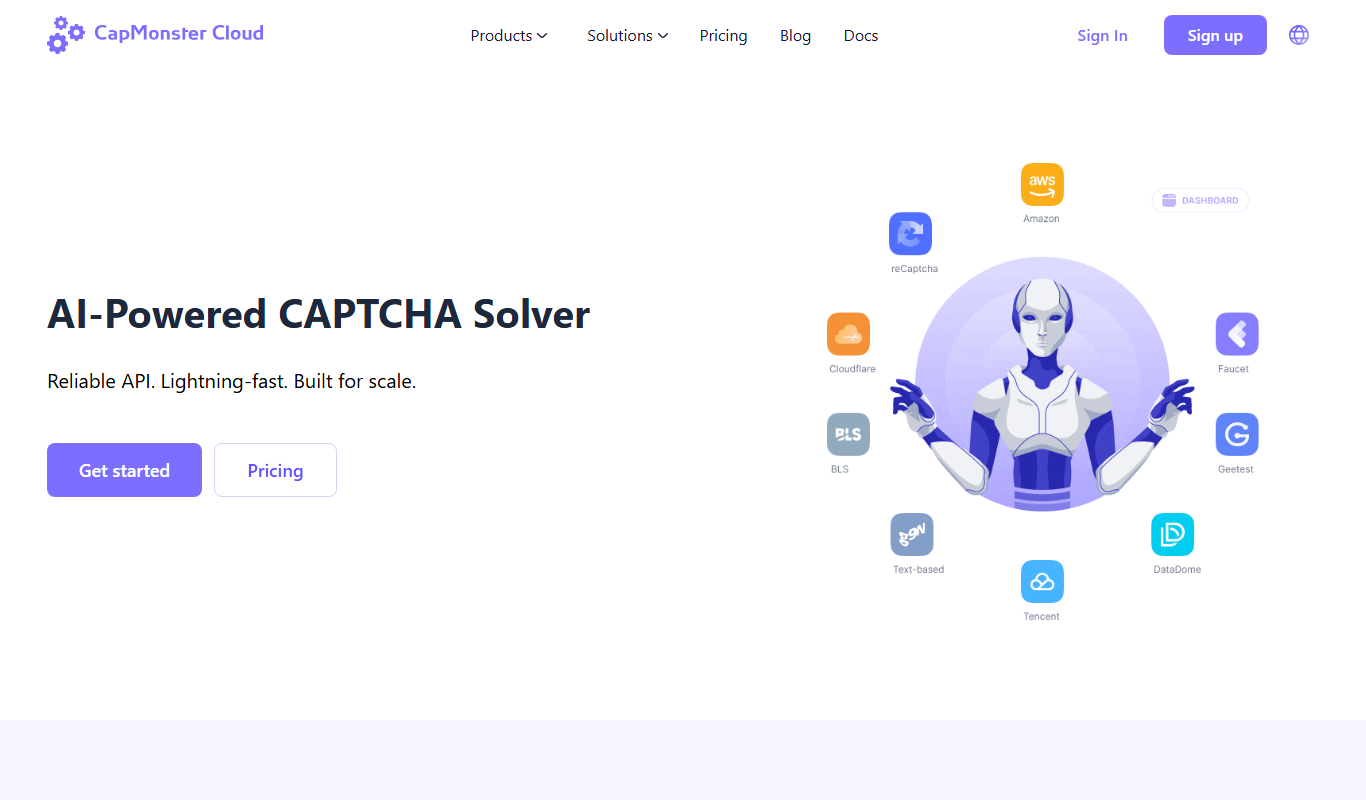
Pay As You Go
CapMonster Cloud
CapMonster Cloud is a cloud-based CAPTCHA solving service that automates solving various CAPTCHA types via API, enabling developers and businesses to bypass CAPTCHA challenges efficiently.

Custom Pricing
oversight.com
Oversight is an AI-powered platform that automates spend management, risk detection, and compliance monitoring by analyzing financial transactions to identify anomalies and potential fraud.

Free
MeGPT
MeGPT is an AI chatbot platform that uses GPT models to create personalized conversational agents accessible via web browsers.
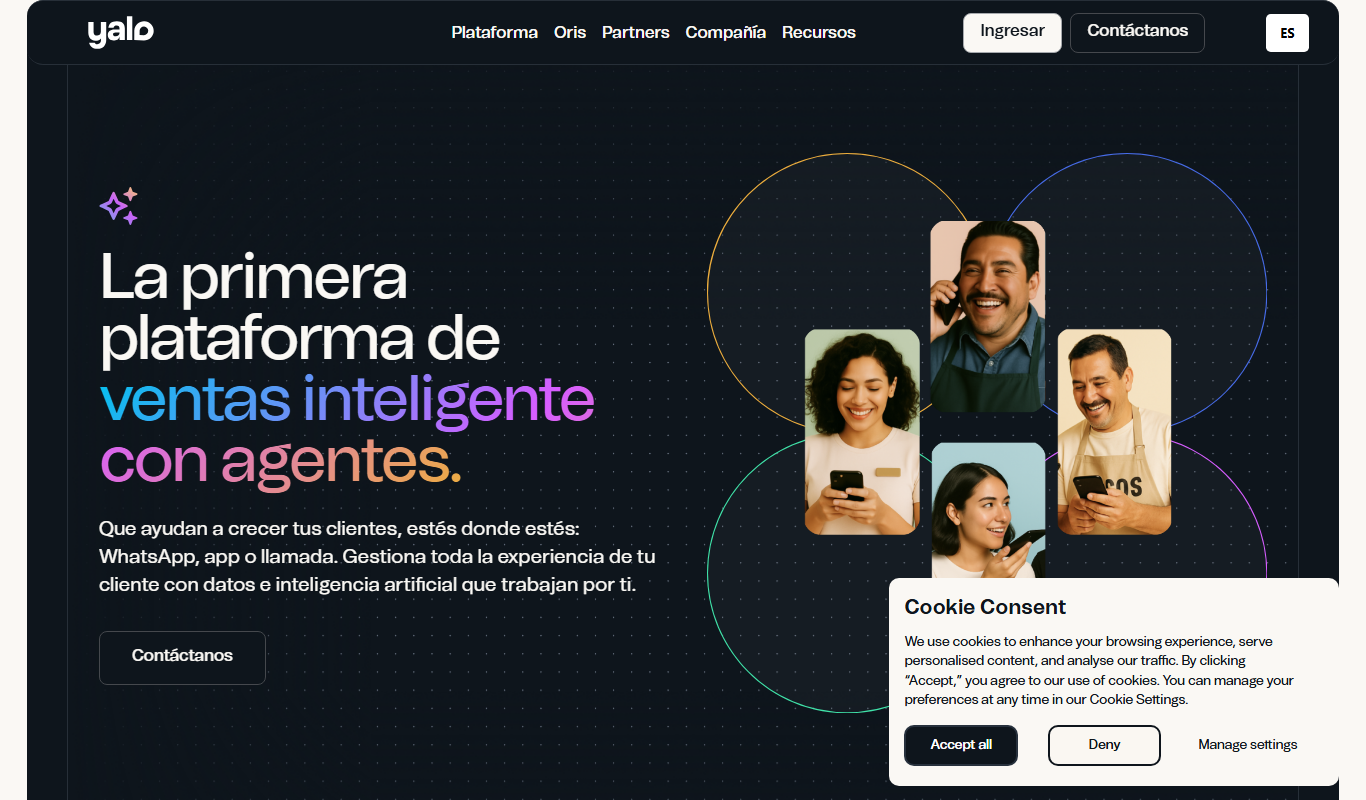
Custom Pricing
yalo.ai
Yalo is a sales platform with AI agents on WhatsApp for large companies.

Freemium
AI Chatbot
Verloop.io AI Chatbot is a conversational AI platform that automates customer support and engagement across multiple channels using natural language processing.
Freemium
Botnoi Chatbot
Botnoi Chatbot is an AI-driven conversational platform that helps businesses automate customer support and engagement across multiple channels using natural language processing.

Custom Pricing
koncert.com
Koncert is a sales engagement platform that helps B2B sales teams automate outbound prospecting and multi-channel outreach to increase efficiency and pipeline growth.

Freemium
Vidnoz AI
Vidnoz AI is a web-based platform that uses artificial intelligence to help users create marketing and social media videos quickly by automating video generation from text and media inputs.