

From my experience with Lilt, I found it excels at combining AI-powered translation suggestions with human expertise to significantly speed up the localization process without compromising quality. The platform’s adaptive neural machine translation learns from user corrections, which improves accuracy over time—a real advantage for enterprises managing large volumes of multilingual content. However, the custom pricing and enterprise focus may not suit smaller teams or individual translators. Overall, if you need a robust, collaborative translation platform integrated with your existing workflows, Lilt delivers reliable and scalable solutions.
Lilt AI Translation Platform for Efficient Multilingual Content Localization
Lilt is an AI-powered translation platform that combines adaptive neural machine translation with human expertise to streamline and improve multilingual content localization for enterprises.
- Best for
- Enterprise Localization
- Key capability
- Adaptive Neural Machine Translation

Do you recommend this tool?
What is Lilt?
Lilt is an AI-powered translation platform designed to streamline and enhance the localization process for enterprises and translation teams. Combining adaptive neural machine translation with human expertise, it accelerates multilingual content creation while maintaining high quality and consistency. The platform integrates translation memory, terminology management, and collaborative workflows to optimize translation efficiency.
Key features of Lilt
Lilt’s main features include AI-assisted translation suggestions, translation memory integration, terminology management, collaborative review workflows, and API access for automation. These features collectively reduce translation time and cost while improving accuracy and consistency across languages.
Adaptive Neural Machine Translation
AI models that learn from human corrections to improve translation quality over time.
Translation Memory
Stores previously translated segments to reuse and maintain consistency.
Terminology Management
Centralized glossary to ensure consistent use of terms across projects.
Collaborative Workflow
Tools for translators, reviewers, and project managers to work together efficiently.
API Access
Allows integration with content management and localization platforms for automation.
Pros and cons of Lilt
Pros
- Speeds up translation with AI-powered suggestions
- Improves consistency via translation memory and terminology
- Supports collaboration across translation teams
- Offers API for seamless integration
- Adaptive machine learning improves over time
Cons
- Pricing is custom and may be expensive for small teams
- Primarily designed for enterprise use cases
- Limited standalone machine translation without human input
Key use cases for Lilt
Enterprise Localization
Lilt enables large organizations to efficiently translate and localize websites, software, and marketing materials into multiple languages with AI-assisted workflows.
Translation Memory Management
The platform integrates translation memory and terminology management to improve consistency and reduce repetitive translation tasks.
Real-Time AI-Powered Translation
Lilt provides real-time suggestions powered by adaptive neural machine translation to speed up human translation without sacrificing quality.
Collaboration for Translation Teams
Supports collaboration among translators, reviewers, and project managers with workflow tools and integrated communication.
API Integration
Lilt offers API access for seamless integration with existing content management systems and localization pipelines.
How Lilt works
- 1
Create an Account
Sign up on Lilt’s platform to access the translation workspace.
- 2
Upload Content
Import documents, website content, or software strings for translation.
- 3
Leverage AI Suggestions
Translators receive real-time AI-powered translation suggestions to speed up their work.
- 4
Collaborate and Review
Teams collaborate on translations with review and feedback tools to ensure quality.
- 5
Export and Integrate
Export translated content or use API to integrate translations into your systems.
Who is using Lilt
Localization managers
Translation agencies
Enterprise marketing teams
Software developers with multilingual products
Content managers for global websites
Lilt pricing
Custom Enterprise
Contact for pricing
Tailored plans based on volume, languages, and features for large organizations.
Plans and prices are as published by the vendor and can change. Check the official site before you buy. Open the pricing page (opens in a new tab)
Frequently asked questions about Lilt
Lilt supports over 30 languages including English, Spanish, French, German, Chinese, Japanese, and more.
Yes, Lilt offers API access to integrate with popular content management and localization systems.
Lilt primarily targets enterprise clients but can be adapted for smaller teams depending on needs.
Lilt focuses on AI-assisted human translation workflows rather than fully automated or purely human translation services.
It depends on your specific needs and how you plan to use the tool. The official website and documentation are the best sources for the latest details.
Yes, it can help with that use case depending on how you configure it and what features are available. You’ll get the best results with clear inputs and a defined goal.
Integration support depends on the tool and its available connectors or API. Check the official documentation or integrations page to confirm what is supported.
Sign in to review this tool.
Sign In to ReviewNo reviews yet
Be the first to share how this tool worked for you.
Ask about pricing, limits, or how it compares — or answer someone else.
Sign In to AskNo questions yet
Have a question about using or paying for this tool? Be the first to ask.
Featured on TiorAI



Alternative Tools
Explore similar AI tools that might fit your needs

Custom Pricing
Smartling
Smartling is a cloud-based translation management platform that helps businesses automate and manage the localization of digital content across websites, apps, and marketing materials with features like translation memory, machine translation integration, and quality assurance.
Free Trial
MemoQ
memoQ is a professional computer-assisted translation software that helps translators and localization teams manage multilingual projects efficiently with translation memory, terminology management, and collaboration features.
More AI Content Generator tools
Other tools in the same category, for when this one is not quite the fit.
Custom Pricing
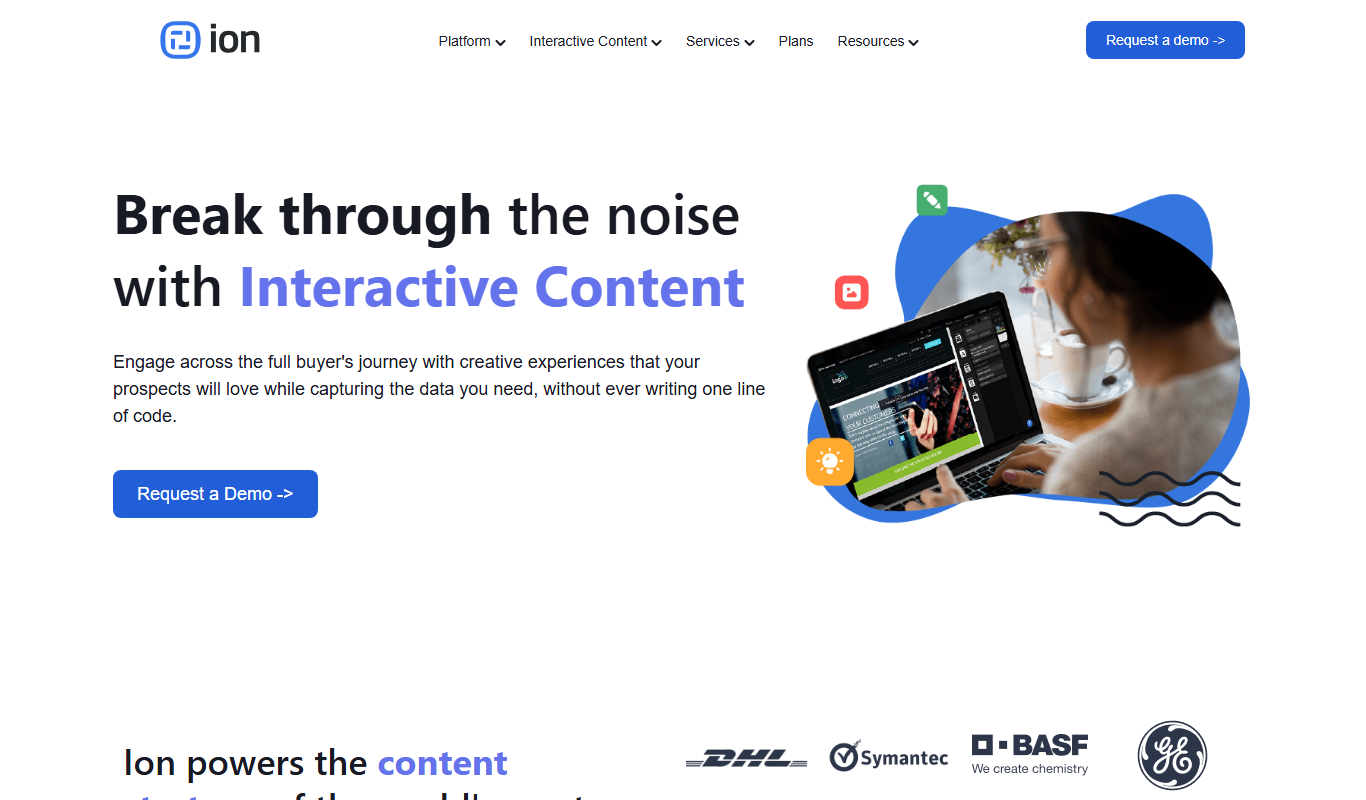
Ion Interactive
Ion Interactive is a web-based platform that enables marketers to create interactive content like quizzes and assessments to engage audiences and generate leads without coding.
Freemium
简道云内容助手
Jiandaoyun Content Assistant is an AI writing tool embedded in a no-code platform that helps users generate and automate content creation, primarily for Chinese language users.

Free
写作猫AI
写作猫AI is a Chinese-language AI writing assistant that supports content generation, creative writing, and text refinement through a web platform.
Free
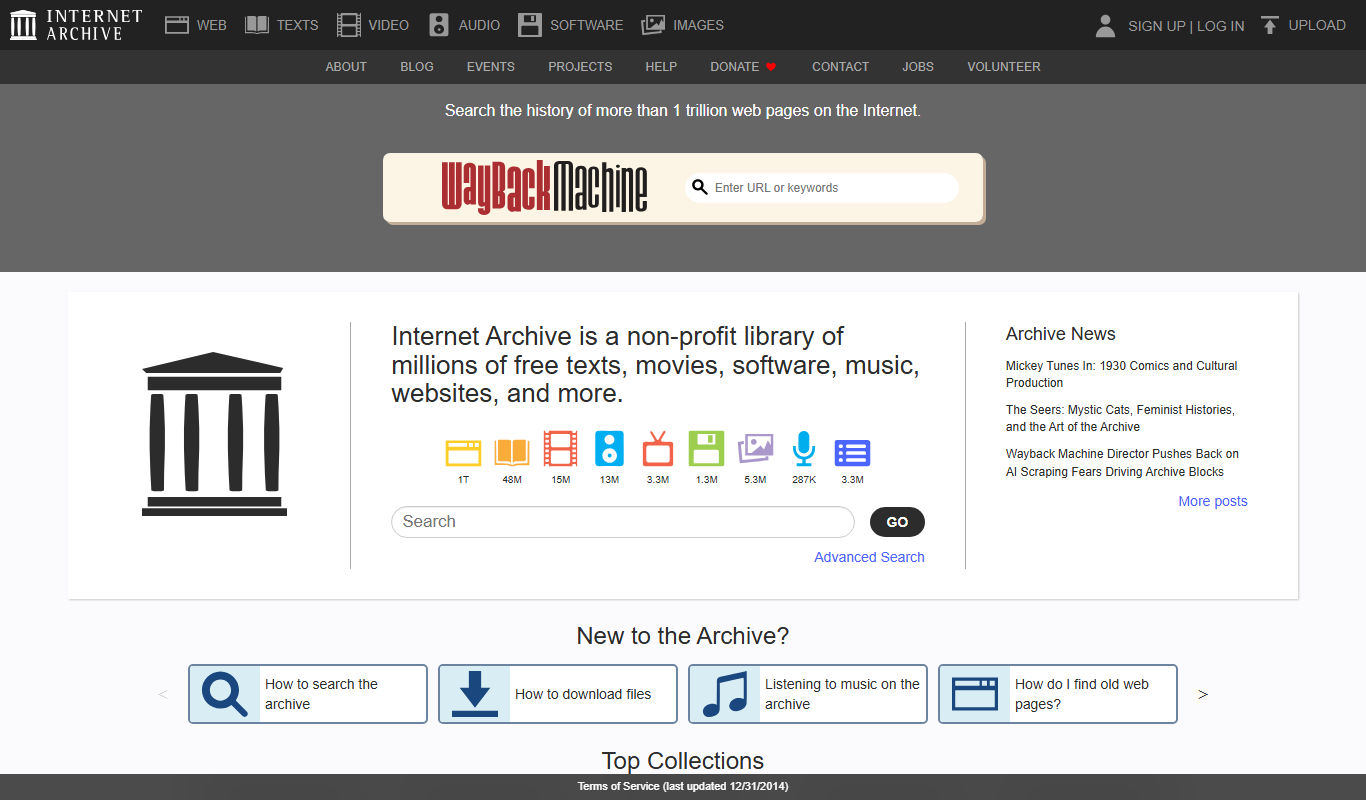
Internet Archive
Internet Archive is a free nonprofit digital library offering millions of books, audio, video, and archived websites accessible online through its web platform and the Wayback Machine.

Freemium
Simpleclub
Simpleclub is an educational platform providing interactive video lessons and personalized learning tools primarily for secondary school students, helping them understand school subjects and prepare for exams.

Free
Calmly Writer
Calmly Writer is a minimalist writing app designed to help users focus by providing a distraction-free interface, Markdown support, autosave, and export options. It is available as a free web app and a paid desktop app for offline use.

Free
Fighting Fantasy
Fighting Fantasy is a web-based interactive story platform that lets users play and create branching narrative gamebooks inspired by the classic Fighting Fantasy series, incorporating RPG elements like dice rolls and character stats.

Free
Spreadsheeto
Spreadsheeto is an online platform offering detailed Microsoft Excel tutorials and courses to help users from beginners to advanced professionals improve their spreadsheet skills.