

From my experience with GPT-Zero, it stands out as a straightforward and practical tool for detecting AI-generated text, especially useful in academic and publishing settings. Its clear confidence scores and easy-to-use web interface make it accessible for users without technical backgrounds. However, the detection accuracy can vary with newer AI models, and it currently supports only English, which limits its global applicability. Overall, if you need a reliable way to verify content authenticity and uphold academic integrity, GPT-Zero offers a solid, user-friendly solution.
GPT-Zero AI Text Detector for Identifying Machine-Generated Content
GPT-Zero is a web-based AI text detection tool that analyzes text to determine if it was generated by AI models like GPT, providing confidence scores and detailed reports.
- Best for
- Academic Integrity
- Key capability
- AI Text Detection
Your actions
Save GPT-Zero, follow its updates and vote on it — everything stays in your account.
Sign in or create a free account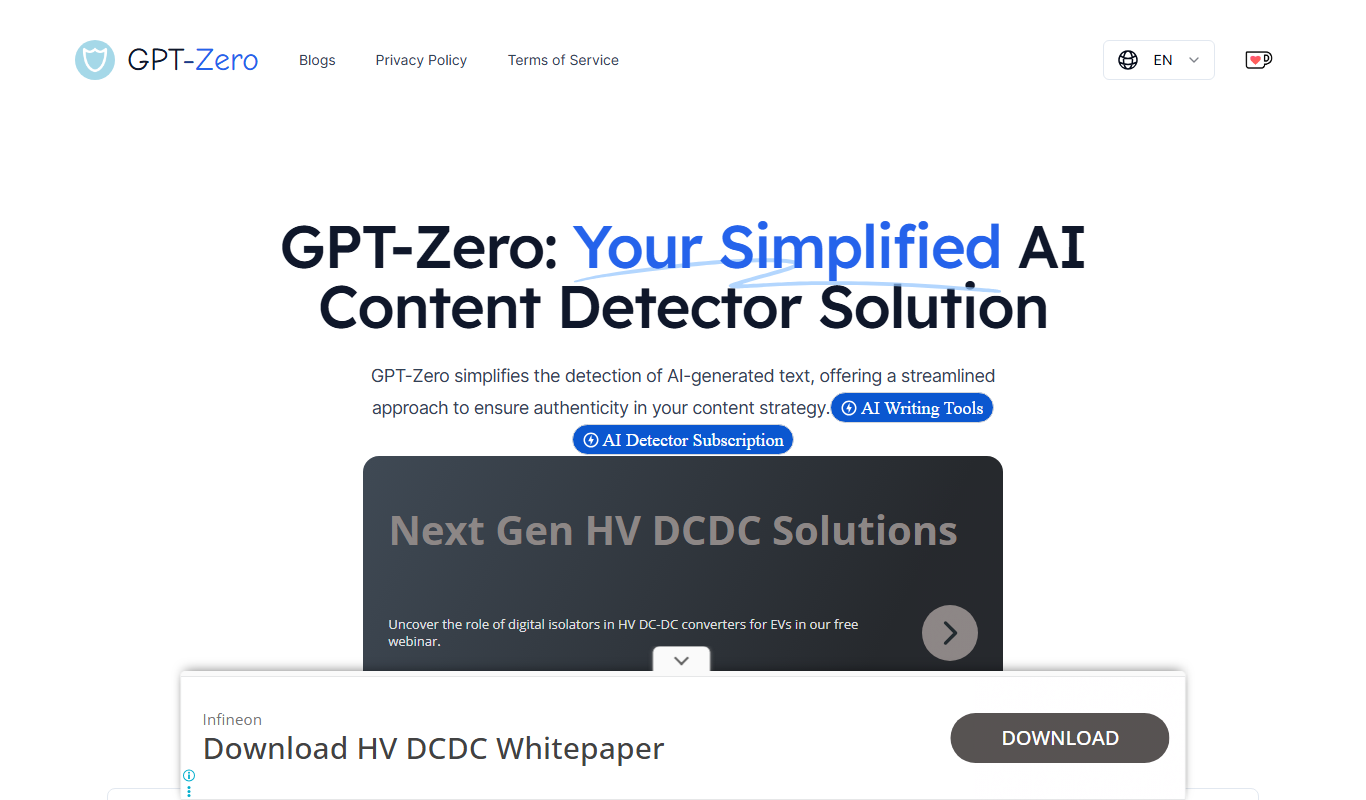

What is GPT-Zero?
GPT-Zero is an AI-powered text detection tool designed to identify whether a given piece of text was generated by artificial intelligence models like GPT. It analyzes writing patterns and linguistic features to assess the likelihood of machine authorship, providing users with a confidence score and detailed insights.
Key features of GPT-Zero
The tool offers real-time AI text detection, a user-friendly web interface, detailed analysis reports, and supports batch processing for multiple documents. It is widely used in education and publishing to uphold content authenticity.
AI Text Detection
Accurately identifies machine-generated text using advanced linguistic analysis.
User-Friendly Interface
Simple web-based platform requiring no technical expertise.
Detailed Reporting
Provides confidence scores and breakdowns to help users understand results.
Batch Processing
Allows analysis of multiple documents simultaneously for efficiency.
Pros and cons of GPT-Zero
Pros
- Easy to use with no installation required
- Provides clear confidence scores and explanations
- Supports batch processing for multiple documents
- Free tier available for basic needs
Cons
- Detection accuracy may vary with newer AI models
- Limited language support (English only)
- No mobile app available
Key use cases for GPT-Zero
Academic Integrity
Helps educators detect AI-generated essays and assignments to maintain academic honesty.
Content Verification
Assists publishers and editors in verifying whether submitted content is human-written or AI-generated.
Plagiarism Prevention
Supports institutions and individuals in identifying machine-generated text that may bypass traditional plagiarism checks.
Research Validation
Enables researchers to ensure originality in manuscripts and reports by detecting AI-generated passages.
How GPT-Zero works
- 1
Input Text
Users paste or upload the text they want to analyze into the GPT-Zero web interface.
- 2
AI Analysis
The tool processes the text using proprietary algorithms that evaluate linguistic patterns indicative of AI generation.
- 3
Receive Report
Users receive a detailed report showing the likelihood of AI authorship along with confidence scores and explanations.
Who is using GPT-Zero
Educators and academic institutions
Content publishers and editors
Researchers and authors
Students and academic integrity officers
GPT-Zero pricing
Free
$0/month
Basic access with limited daily checks and standard reporting.
Pro
$20/month
Enhanced features including higher usage limits, batch processing, and priority support.
Plans and prices are as published by the vendor and can change. Check the official site before you buy. Open the pricing page (opens in a new tab)
Frequently asked questions about GPT-Zero
While GPT-Zero is effective at detecting many AI-generated texts, no tool can guarantee 100% accuracy due to evolving AI models.
Yes, the free plan includes a daily limit on the number of analyses to ensure fair usage.
GPT-Zero respects user privacy and does not store submitted texts beyond the analysis session.
It depends on your specific needs and how you plan to use the tool. The official website and documentation are the best sources for the latest details.
Some tools offer a free plan or trial with limited features. Availability can vary, so confirm on the official website.
Yes, it can help with that use case depending on how you configure it and what features are available. You’ll get the best results with clear inputs and a defined goal.
Sign in to review this tool.
Sign In to ReviewNo reviews yet
Be the first to share how this tool worked for you.
Ask about pricing, limits, or how it compares — or answer someone else.
Sign In to AskNo questions yet
Have a question about using or paying for this tool? Be the first to ask.
Featured on TiorAI



More AI Content Detection tools
Other tools in the same category, for when this one is not quite the fit.

Free
AI Detector Writer
AI Detector Writer is a free online tool that analyzes text to determine if it was generated by AI, providing a confidence score and detailed report to help users verify content authenticity.

Free
CopyFind – Plagiarism and AI Detector
CopyFind is an AI-powered tool that detects plagiarism and AI-generated text to ensure content originality.

Free
AI Detector & Plagiarism Scan
AI Detector & Plagiarism Scan is a web tool that identifies AI-generated text and checks for plagiarism to ensure content originality.
Free
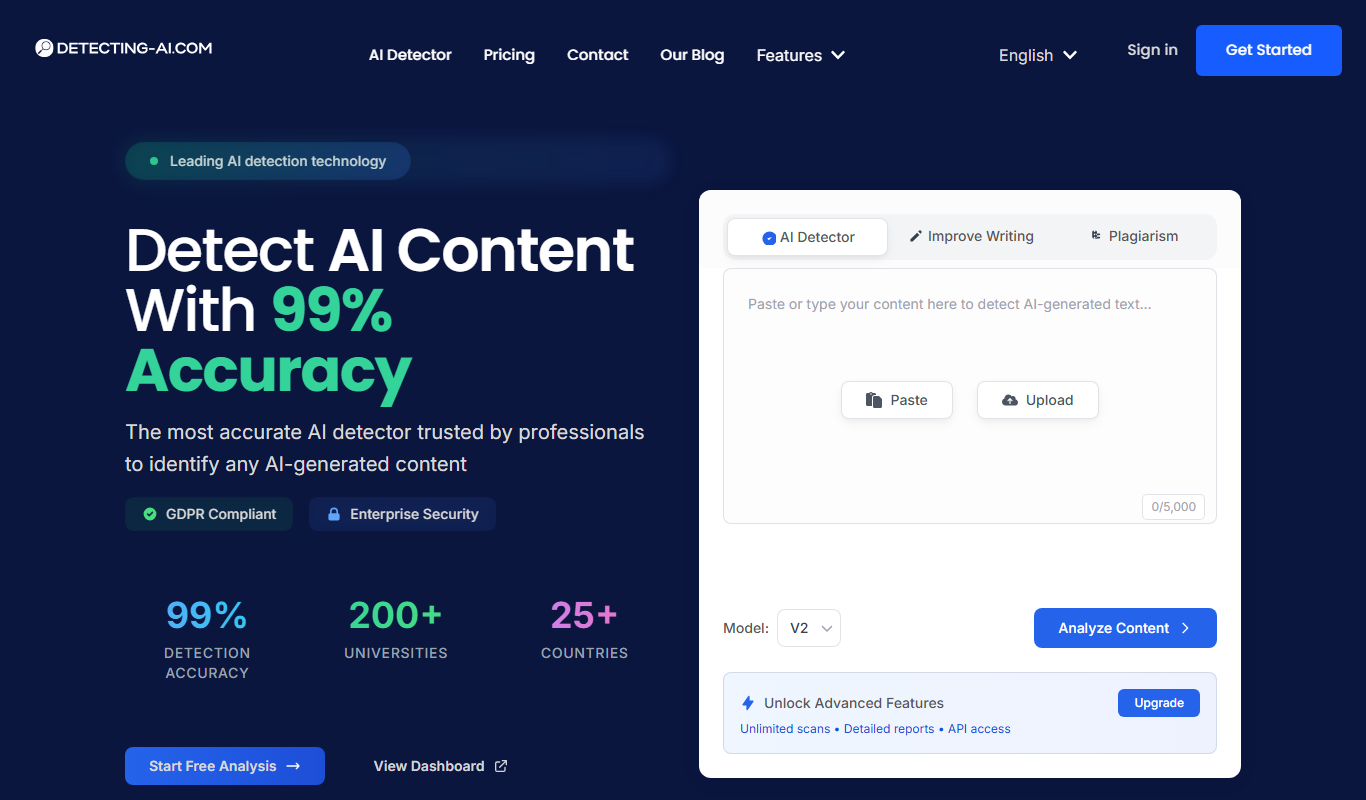
Detecting-AI.com
Detecting-AI.com is an online tool that analyzes text or URLs to determine the likelihood that content was generated by AI, helping users verify authenticity.
Free
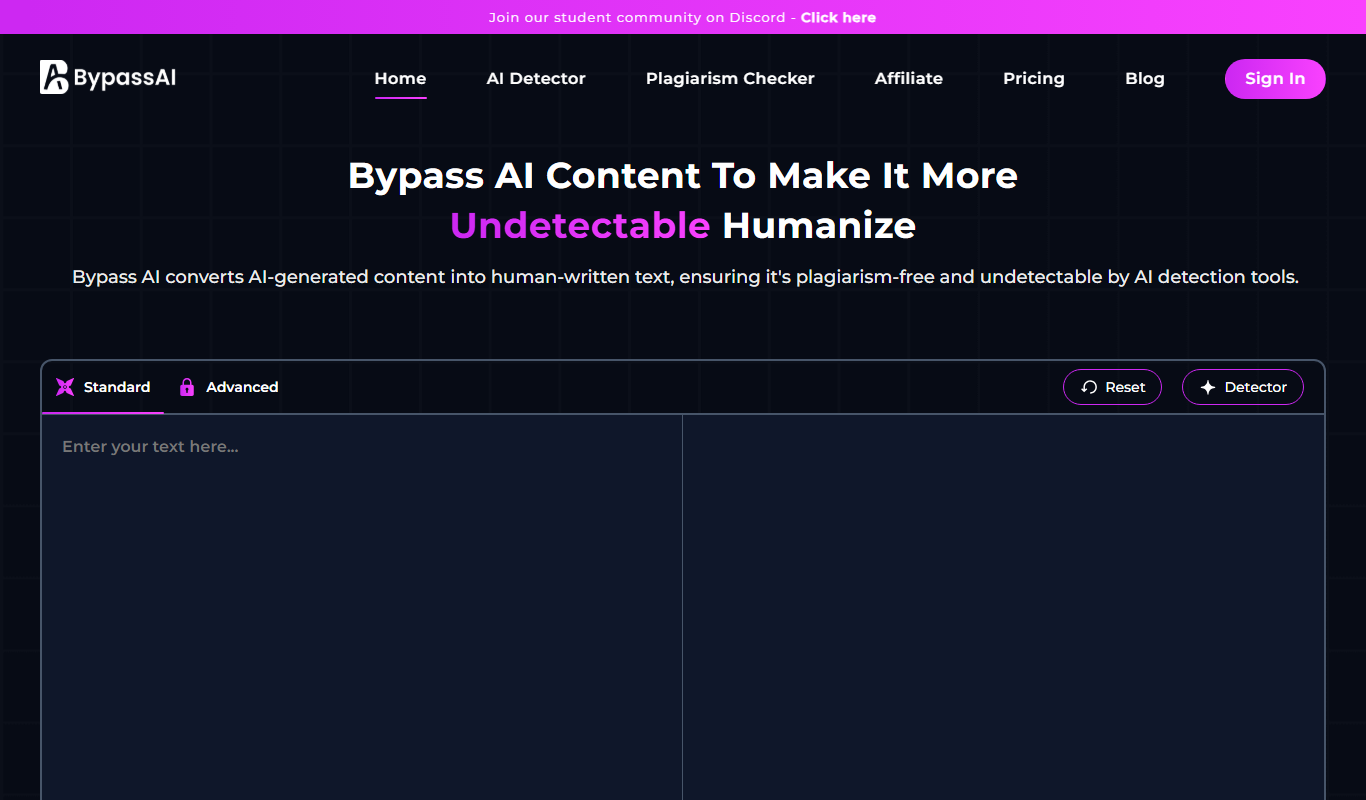
BypassAI.IO
BypassAI.IO is a web-based tool that detects AI-generated content and checks for plagiarism to help users verify the authenticity of their text.

Free
AI Bypass
AI Bypass is a web tool that detects AI-generated text by analyzing content to determine the likelihood it was created by AI, helping users verify originality.
Free
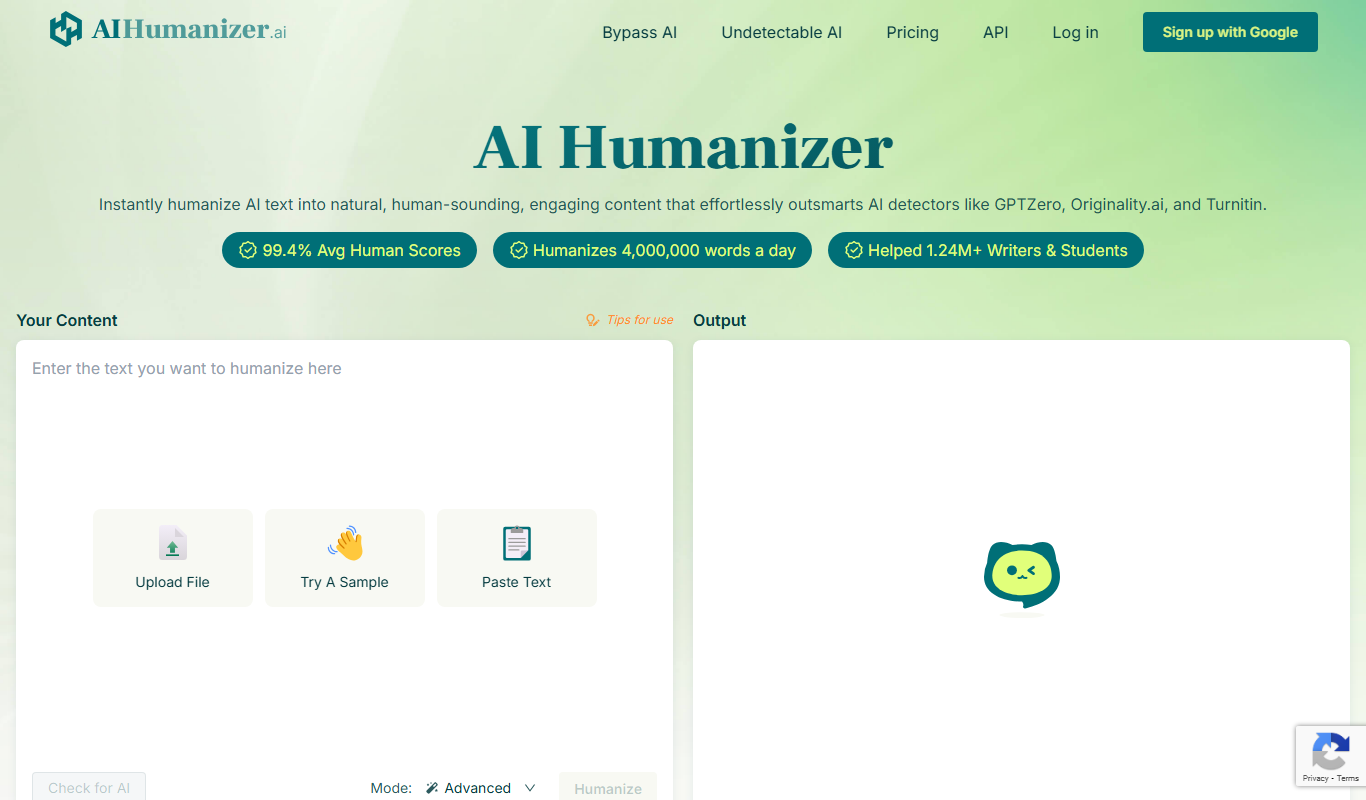
AIHumanize.com
AIHumanize.com is an online tool that detects AI-generated text and checks for plagiarism to help users verify content authenticity.
Free
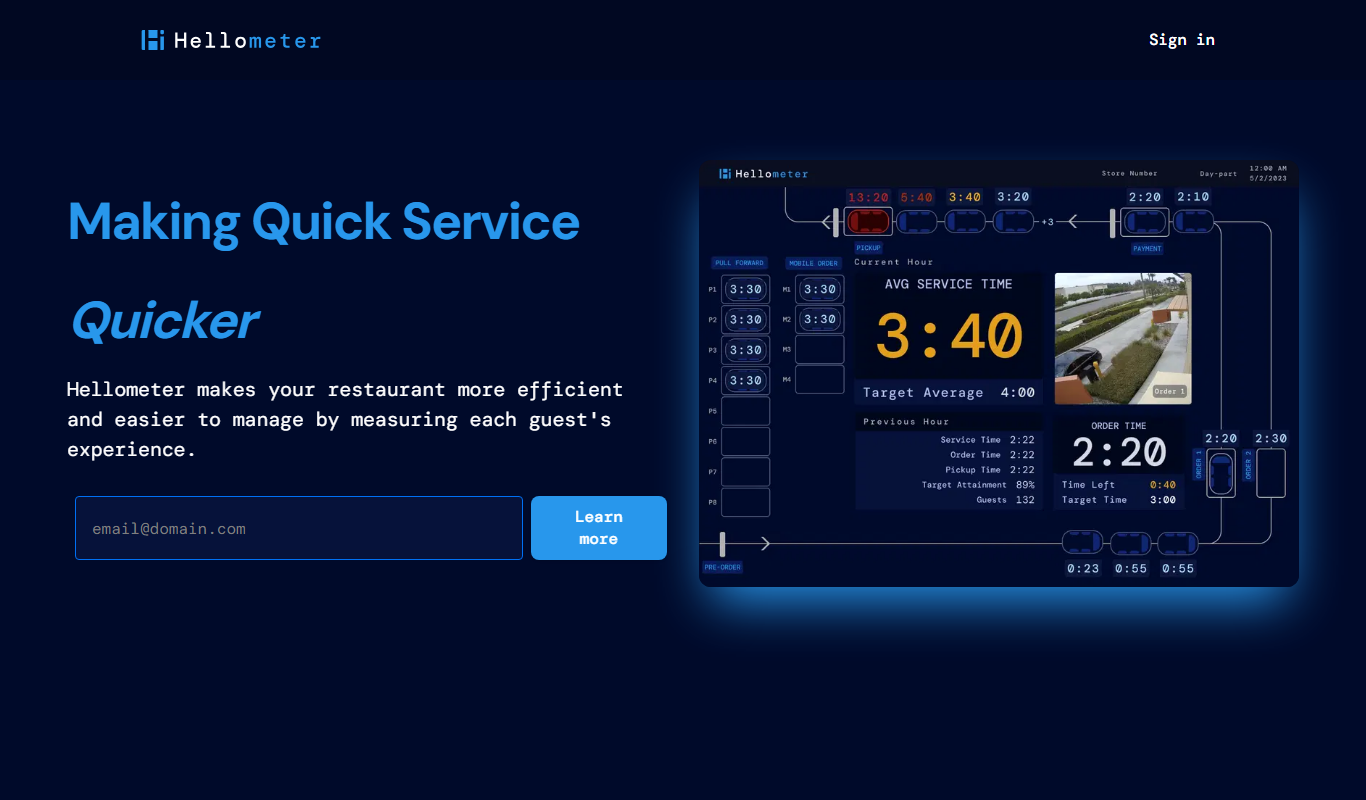
Hellometer
Hellometer is an AI writing detection tool that analyzes text to determine if it was generated by AI and checks for plagiarism, helping users verify content originality.