

Gatsby Static Site Generator for Fast, Modern Web Development
Gatsby is an open-source React-based static site generator that helps developers build fast, secure, and scalable websites by pre-rendering pages and integrating data from multiple sources using GraphQL.
- Best for
- Static Website Development
- Key capability
- React-Based Architecture
Save Gatsby, follow its updates and vote on it — everything stays in your account.
Sign in or create a free account
What is Gatsby?
Gatsby is an open-source React-based static site generator designed to build fast, secure, and scalable websites and applications. It leverages modern web technologies like React and GraphQL to enable developers to create performant web experiences by pre-rendering pages at build time. Gatsby supports sourcing data from various APIs and CMSs, making it a popular choice for Jamstack architecture.
Key features of Gatsby
Gatsby offers features such as a rich plugin ecosystem, GraphQL data layer, image optimization, code splitting, and progressive web app support. It enables developers to build static sites that load quickly and are SEO-friendly while integrating dynamic content seamlessly.
React-Based Architecture
Leverages React for building reusable UI components and managing state.
GraphQL Data Layer
Unified data querying interface to pull content from multiple sources.
Rich Plugin Ecosystem
Hundreds of plugins for functionality like image optimization, SEO, and CMS integration.
Performance Optimization
Automatic code splitting, lazy loading, and prefetching for fast page loads.
Progressive Web App Support
Built-in features to enable offline access and app-like experiences.
Pros and cons of Gatsby
Pros
- Generates highly performant static websites
- Strong React and GraphQL integration
- Large plugin ecosystem for extensibility
- Good SEO and accessibility support
- Active open-source community
Cons
- Build times can increase with large sites
- Requires React knowledge to fully utilize
- Dynamic content handling can be complex
Key use cases for Gatsby
Static Website Development
Build fast, secure, and scalable static websites using React components and GraphQL data sourcing.
Jamstack Applications
Create modern Jamstack applications that decouple frontend and backend for improved performance and security.
Content Integration
Integrate content from multiple sources like CMSs, APIs, and databases using GraphQL for dynamic data fetching.
E-commerce Frontends
Develop performant e-commerce frontends that leverage static generation and client-side interactivity.
Progressive Web Apps
Build PWAs with offline support and fast load times using Gatsby’s prefetching and caching capabilities.
How Gatsby works
- 1
Install Gatsby CLI
Set up the Gatsby command-line interface to create and manage projects.
- 2
Create a New Project
Use Gatsby CLI to scaffold a new site with starter templates.
- 3
Develop with React Components
Build your site’s UI using React components and style them as needed.
- 4
Source Data via GraphQL
Connect to data sources like CMSs, APIs, or local files using Gatsby’s GraphQL layer.
- 5
Build Static Files
Run the build process to generate static HTML, CSS, and JavaScript files.
- 6
Deploy to Hosting
Deploy the generated static site to any static hosting platform or CDN.
Who is using Gatsby
Gatsby pricing
Free
$0/month
Access to open-source Gatsby framework and community support.
Enterprise
Custom pricing
Tailored solutions with dedicated support, SLAs, and advanced integrations.
Plans and prices are as published by the vendor and can change. Check the official site before you buy. Open the pricing page (opens in a new tab)
Frequently asked questions about Gatsby
Yes, Gatsby has extensive documentation and starter templates that help beginners get started with React-based static sites.
Gatsby supports integration with many CMSs like Contentful, WordPress, and Sanity via plugins and GraphQL.
While Gatsby generates static sites, it can fetch dynamic content at build time or use client-side rendering for interactivity.
Gatsby sites can be hosted on platforms like Netlify, Vercel, AWS Amplify, or any static hosting service.
This tool is designed to help users accomplish its core tasks more efficiently. It is typically used by individuals or teams looking to improve productivity and workflow.
It depends on your specific needs and how you plan to use the tool. The official website and documentation are the best sources for the latest details.
It depends on your specific needs and how you plan to use the tool. The official website and documentation are the best sources for the latest details.
Yes, it can help with that use case depending on how you configure it and what features are available. You’ll get the best results with clear inputs and a defined goal.
Conclusion
Projects are scaffolded from starter templates with the Gatsby CLI, and the UI is built from React components. A GraphQL layer connects data sources like CMSs, APIs or local files, and the build process then generates static HTML, CSS and JavaScript files. Sites can be hosted on Netlify, Vercel, AWS Amplify or any static hosting service.
Frontend developers, web development agencies and e-commerce developers are the main users, and fully using it requires React knowledge. Build times can increase with large sites. The framework remains free and open source, and the paid Pro and Enterprise plans are gone since Gatsby Cloud merged into Netlify.
Sources
Sign in to review this tool.
Sign In to ReviewNo reviews yet
Be the first to share how this tool worked for you.
Ask about pricing, limits, or how it compares — or answer someone else.
Sign In to AskNo questions yet
Have a question about using or paying for this tool? Be the first to ask.
Featured on TiorAI



Alternative Tools
Explore similar AI tools that might fit your needs

Next.js
Next.js is an open-source React framework by Vercel that enables server-side rendering, static site generation, and API routes to build fast, SEO-friendly web applications.
More AI Developer Tools tools
Other tools in the same category, for when this one is not quite the fit.
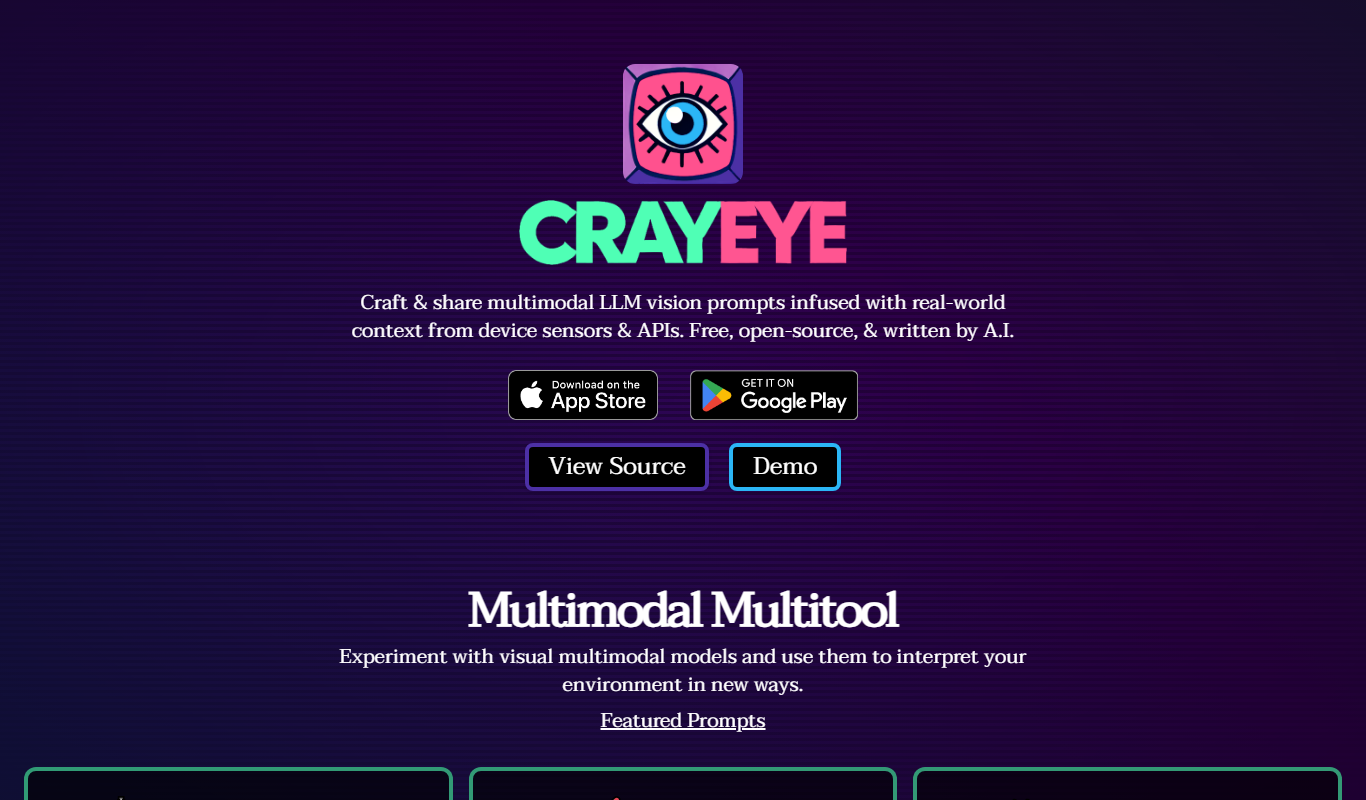
CrayEye
CrayEye is a free, open-source mobile app for crafting and sharing multimodal LLM vision prompts that use your camera plus sensor data such as location and weather.
TestLabs
TestLabs tests your app on 20 real devices for 14 days to meet the Google Play testing policy, with daily reports, device logs and screenshots.

Modly
Modly.ai trains, fine-tunes and hosts custom large language models on your business data, delivered as a managed service with API access.

modl.ai
modl.ai automates game testing and QA with AI agents that play your build and analysts that report bugs, glitches and performance issues, with no SDKs or code needed.

Mirascope
Mirascope is The LLM Anti-Framework: open-source Python and TypeScript SDKs with one API for OpenAI, Anthropic and Google, plus tools, tracing and versioning.

Myple
Myple is a developer platform to build, deploy and secure AI applications such as AI agents and RAG chatbots, with SDKs, a CLI and a free Hacker plan.

Momentic
Momentic is an AI testing platform where agents run and maintain plain-English end-to-end tests for web, iOS and Android apps, locally or in CI.

Intuition Machines
Intuition Machines builds privacy-preserving AI/ML platforms: the hCaptcha Security Suite against fraud and abuse, and the IM Perception Platform for training, deploying and improving ML models.