

From my experience with dvc.ai, I found it excels at managing complex machine learning workflows by providing robust data and model versioning integrated with Git. Its ability to track experiments and automate pipelines makes it invaluable for teams aiming for reproducibility and collaboration. However, the tool’s reliance on command-line interfaces and Git concepts can present a learning curve for newcomers. Overall, if you need a scalable and open-source solution to streamline your ML projects and maintain data integrity, dvc.ai delivers reliable and practical features.
dvc.ai - AI-Powered Data Version Control for Machine Learning Projects
dvc.ai is a platform that extends Git to manage data, models, and experiments in machine learning projects, enabling reproducibility and collaboration.
- Best for
- Data Versioning
- Key capability
- Data and Model Versioning


Do you recommend this tool?
What is dvc.ai?
dvc.ai is a machine learning platform developed by Iterative.ai that provides data version control and experiment management capabilities. It extends Git to handle large datasets and machine learning models, enabling teams to track, share, and reproduce ML workflows efficiently. The platform supports collaboration, automation, and pipeline management to streamline AI development.
Key features of dvc.ai
dvc.ai offers robust data versioning, experiment tracking, pipeline automation, and seamless integration with Git and cloud storage. Its features help maintain reproducibility and collaboration in machine learning projects.
Data and Model Versioning
Track changes in datasets and models with Git-like version control tailored for large files.
Experiment Tracking
Record and compare experiments’ parameters, metrics, and outputs for better decision-making.
Pipeline Automation
Create reproducible pipelines with stages and dependencies to automate ML workflows.
Cloud Storage Integration
Support for various remote storage backends like AWS S3, Google Drive, Azure, and SSH.
Collaboration Support
Facilitate team collaboration by sharing data, models, and experiment results efficiently.
Pros and cons of dvc.ai
Pros
- Enables reproducible machine learning workflows
- Seamless integration with Git and cloud storage
- Open-source with a strong community
- Supports large data and model files efficiently
Cons
- Steeper learning curve for users unfamiliar with Git
- Limited GUI; primarily CLI-based
- Advanced features require paid plans
Key use cases for dvc.ai
Data Versioning
Track and manage changes in datasets and machine learning models to ensure reproducibility.
Machine Learning Experiment Management
Organize and compare ML experiments with metrics and parameters tracking.
Collaboration in AI Projects
Enable teams to work together on data and models with seamless version control integration.
MLOps Automation
Integrate with CI/CD pipelines to automate model training, testing, and deployment.
Data Pipeline Management
Define and execute reproducible data pipelines with dependency tracking.
How dvc.ai works
- 1
Initialize DVC in Project
Set up DVC in your existing Git repository to start tracking data and models.
- 2
Track Data and Models
Use DVC commands to add datasets and models, creating versioned checkpoints.
- 3
Run and Track Experiments
Execute ML experiments with parameters and metrics tracked automatically.
- 4
Collaborate and Share
Push data and model versions to remote storage and share with team members.
- 5
Automate Pipelines
Define data pipelines and automate workflows with dependency management.
Who is using dvc.ai
Data scientists
Machine learning engineers
AI research teams
MLOps professionals
Software developers working with ML
dvc.ai pricing
Free
$0/month
Basic access with open-source CLI and limited cloud storage options.
Team
Contact for pricing
Advanced collaboration features, enhanced support, and enterprise integrations.
Plans and prices are as published by the vendor and can change. Check the official site before you buy. Open the pricing page (opens in a new tab)
Frequently asked questions about dvc.ai
Yes, the core DVC tool is open source and available on GitHub.
It supports AWS S3, Google Cloud Storage, Azure Blob Storage, SSH, and local file systems.
Yes, dvc.ai can be integrated into CI/CD workflows to automate ML model training and deployment.
Yes, it tracks parameters, metrics, and outputs to help compare ML experiments.
This tool is designed to help users accomplish its core tasks more efficiently. It is typically used by individuals or teams looking to improve productivity and workflow.
Data handling and security practices vary by provider. Review the official privacy policy to understand how your data is stored and used.
Some tools offer a free plan or trial with limited features. Availability can vary, so confirm on the official website.
Integration support depends on the tool and its available connectors or API. Check the official documentation or integrations page to confirm what is supported.
Sign in to review this tool.
Sign In to ReviewNo reviews yet
Be the first to share how this tool worked for you.
Ask about pricing, limits, or how it compares — or answer someone else.
Sign In to AskNo questions yet
Have a question about using or paying for this tool? Be the first to ask.
Featured on TiorAI



Alternative Tools
Explore similar AI tools that might fit your needs

Free
MLflow
MLflow is an open source platform that manages the machine learning lifecycle by providing tools for experiment tracking, model packaging, registry, and deployment.
Enterprise
Weights & Biases
Weights & Biases is a machine learning platform that helps data scientists track experiments, version datasets and models, collaborate with teams, and monitor models in production.

Free
Neptune.ai
Neptune.ai is a machine learning experiment tracking and model management platform that helps data scientists log, organize, and collaborate on ML projects efficiently.
More AI Education & Learning Tools tools
Other tools in the same category, for when this one is not quite the fit.

Free
bentolingo
BentoLingo is an AI-driven language learning platform that provides personalized speaking practice and real-time feedback to help users improve fluency in multiple languages.
Free Trial
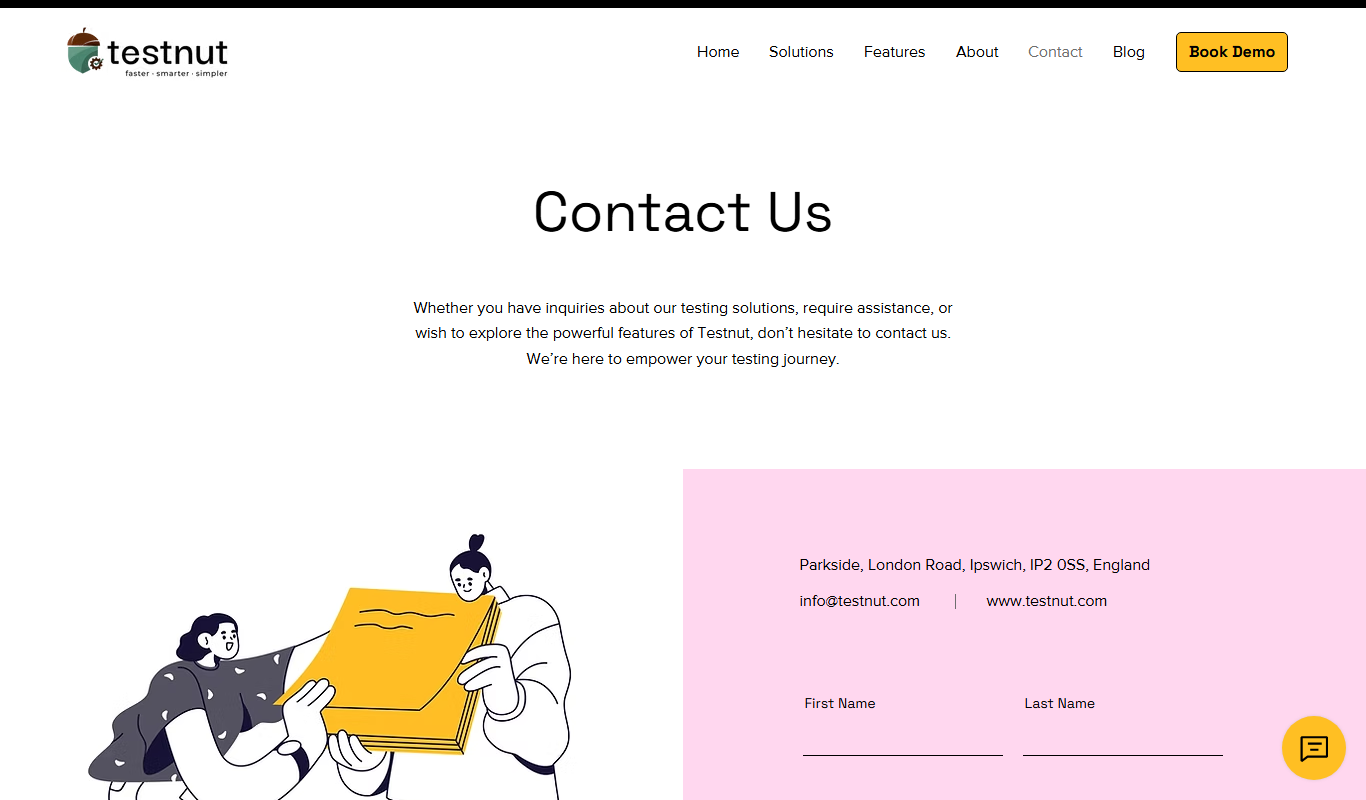
Testnut
Testnut is an online exam platform that enables secure, scalable assessments with remote proctoring, automated grading, and detailed analytics, suitable for education and corporate use.

Freemium
Testbook.ai
Testbook.ai is an AI-driven platform offering personalized study plans, mock tests, and live classes to help students prepare effectively for competitive exams.

Free
AICamp
AICamp is an AI education platform offering project-based learning to teach AI, machine learning, and data science through hands-on projects and community mentorship.
Free
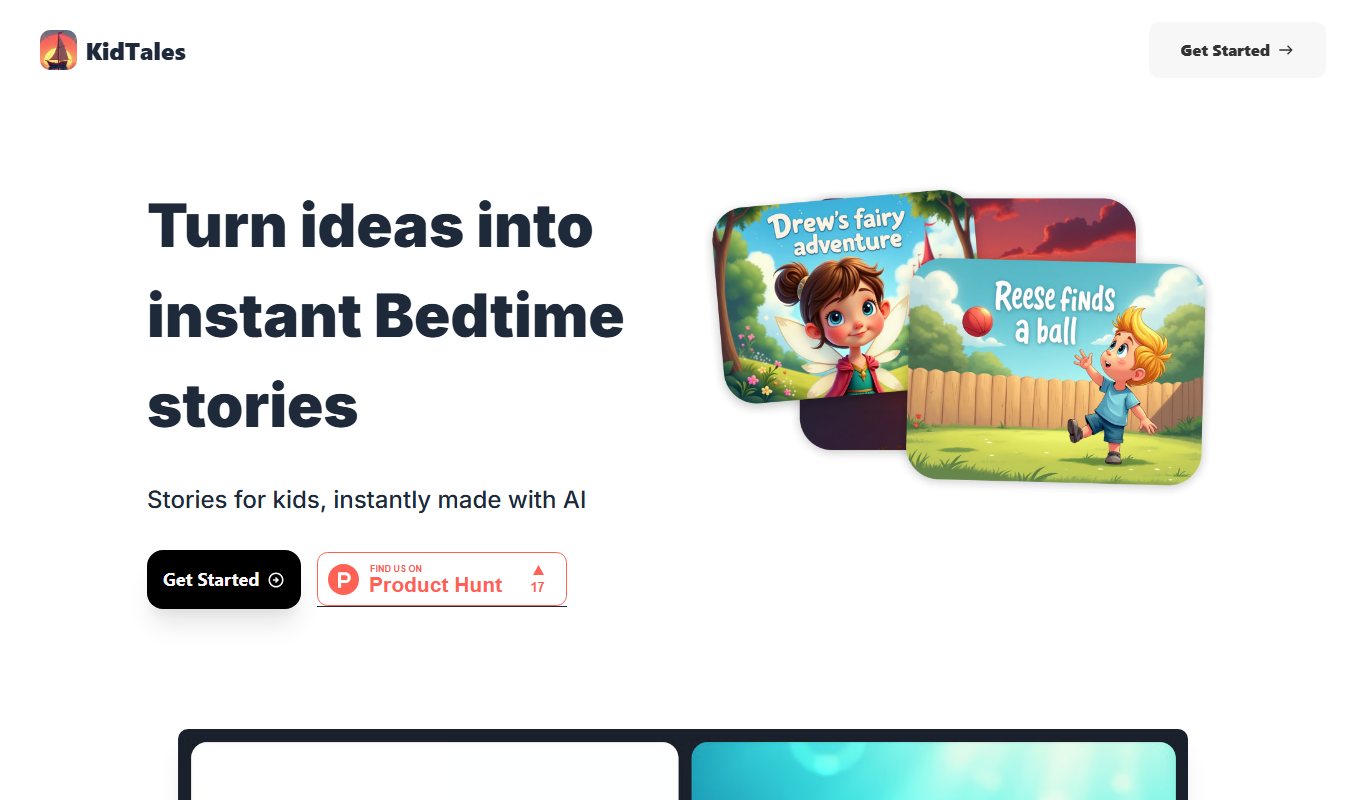
KidTales
KidTales AI is an online tool that generates personalized, age-appropriate stories for children to support creativity and learning.

Freemium
Mi Cuento Digital
Mi Cuento Digital is an online platform that lets you create personalized digital storybooks for children by adding names, photos, and custom details to engage young readers.

Free
Kidgeni
Kidgeni is an AI-powered tutoring platform designed to provide personalized learning and homework help for children, focusing on core subjects like math and reading through interactive sessions.

Freemium
flAI
flAI is an AI-driven language learning app that provides personalized speaking and writing practice with real-time feedback to help users improve fluency and confidence in multiple languages.