

From my experience with Discovery Outcomes, I found it excels at centralizing qualitative user research in a way that truly supports product discovery and decision-making. The platform’s focus on outcome tracking and collaboration makes it especially valuable for product teams aiming to align insights with actionable results. However, the lack of transparent pricing and limited public details on integrations may require direct engagement with their team to fully assess fit. Overall, if your goal is to streamline user research and embed customer insights into your product process, Discovery Outcomes offers a solid, focused solution.
Discovery Outcomes Platform for User Research and Product Insights
Discovery Outcomes is a web platform that centralizes qualitative user research, enabling product teams to capture, synthesize, and track customer insights to inform product decisions.
- Best for
- User Research Management
- Key capability
- Research Repository
Your actions

Do you recommend this tool?
What is Discovery Outcomes?
Discovery Outcomes is a web-based platform designed to help product teams conduct, organize, and analyze user research. It streamlines the process of capturing customer insights, synthesizing qualitative data, and aligning teams around validated product decisions. The tool supports product discovery by providing a centralized hub for research notes, interview recordings, and outcome tracking.
Key features of Discovery Outcomes
Key features include research repository management, interview note-taking, outcome tracking, collaboration tools, and integration capabilities to centralize user insights and inform product roadmaps.
Research Repository
Centralized storage for all user research data including notes, recordings, and transcripts.
Outcome Tracking
Tools to define, track, and measure the impact of research outcomes on product development.
Collaboration Tools
Features that enable team members to comment, share, and align on research insights.
Insight Tagging and Synthesis
Organize qualitative data with tagging and synthesis tools to identify key themes.
Pros and cons of Discovery Outcomes
Pros
- Centralizes qualitative user research data in one platform
- Facilitates collaboration across product and research teams
- Helps track and measure research outcomes effectively
Cons
- Pricing is not transparent and requires contacting sales
- Limited information on integrations and tech stack publicly available
Key use cases for Discovery Outcomes
User Research Management
Organize, track, and analyze qualitative user research to inform product decisions.
Product Discovery
Facilitate product discovery by synthesizing customer feedback and insights.
Customer Insights Analysis
Gain deep understanding of customer needs and pain points through structured research.
Collaboration Across Teams
Enable cross-functional teams to collaborate on research findings and product strategies.
How Discovery Outcomes works
- 1
Create Research Projects
Set up projects to organize user interviews, surveys, and feedback sessions.
- 2
Capture and Synthesize Data
Record notes and tag insights during research to identify patterns and outcomes.
- 3
Track Outcomes
Define and monitor research outcomes to measure impact on product decisions.
- 4
Collaborate with Teams
Share findings and align stakeholders through a centralized platform.
Who is using Discovery Outcomes
Product managers
User researchers
UX designers
Customer experience teams
Product discovery teams
Discovery Outcomes pricing
Custom Pricing
Contact for pricing
Tailored plans based on team size and feature needs.
Plans and prices are as published by the vendor and can change. Check the official site before you buy. Open the pricing page (opens in a new tab)
Frequently asked questions about Discovery Outcomes
It supports qualitative user research such as interviews, surveys, and feedback sessions.
Yes, the platform is designed for cross-functional collaboration with commenting and sharing features.
Currently, Discovery Outcomes offers custom pricing and you need to contact them for trial options.
Yes, it can help with that use case depending on how you configure it and what features are available. You’ll get the best results with clear inputs and a defined goal.
Yes, it can help with that use case depending on how you configure it and what features are available. You’ll get the best results with clear inputs and a defined goal.
Pricing depends on the plan and included features. For the most accurate and up-to-date details, check the official pricing page.
Sign in to review this tool.
Sign In to ReviewNo reviews yet
Be the first to share how this tool worked for you.
Ask about pricing, limits, or how it compares — or answer someone else.
Sign In to AskNo questions yet
Have a question about using or paying for this tool? Be the first to ask.
Featured on TiorAI



Alternative Tools
Explore similar AI tools that might fit your needs

Custom Pricing
UserTesting
UserTesting is a platform that provides video-based user feedback and usability testing to help businesses improve their digital products by understanding real user experiences.
Free Trial
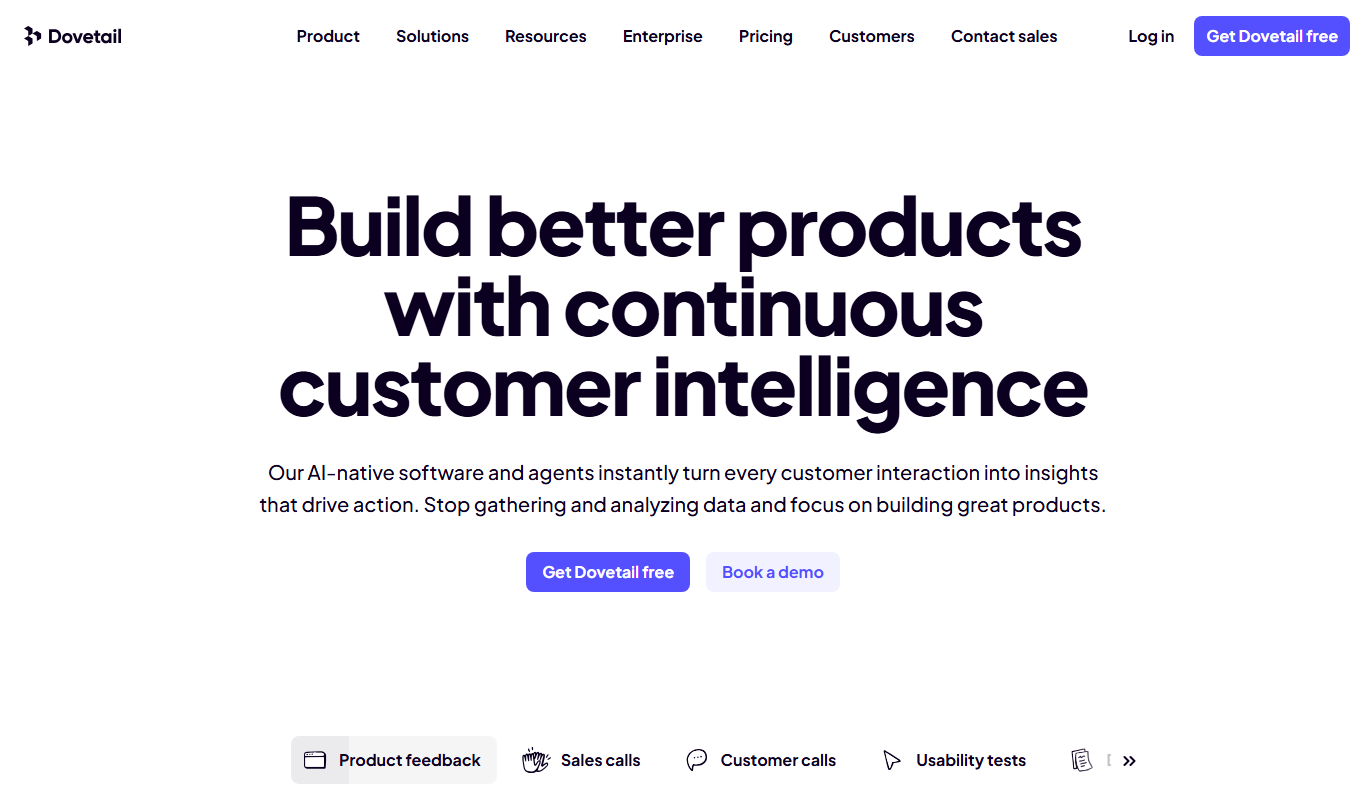
Dovetail
Dovetail is a cloud-based user research platform that enables teams to collect, tag, analyze, and share qualitative data from interviews, surveys, and usability tests to generate actionable insights.
Free Trial
Lookback
Lookback is a user research platform that enables teams to conduct live and recorded user testing sessions with video, audio, and screen sharing to gather qualitative feedback and improve product experiences.