

From my experience with DataDripper, I found it excels at simplifying complex web data extraction through its AI-powered automation and visual interface. It’s particularly well-suited for users who need to gather structured data from dynamic websites without writing code, such as market researchers and business analysts. However, the platform currently supports only English and may be costly for casual users or small projects. Overall, if you require reliable, automated web scraping with easy setup and scheduling, DataDripper delivers solid results and streamlines data acquisition workflows.
DataDripper AI Data Extraction Tool for Automated Web Scraping and Analysis
DataDripper is an AI-driven platform that automates web data extraction, enabling users to scrape and export structured data from websites easily without programming skills.
- Best for
- Automated Web Data Extraction
- Key capability
- AI-Powered Scraping
Your actions
Save DataDripper, follow its updates and vote on it — everything stays in your account.
Sign in or create a free account
What is DataDripper?
DataDripper is an AI-powered web data extraction platform designed to automate the process of scraping and collecting structured data from websites. It enables users to gather large volumes of data without manual effort or coding knowledge, making data acquisition faster and more efficient for business intelligence, market research, and analytics.
Key features of DataDripper
DataDripper offers an intuitive web interface for setting up data extraction tasks, AI-driven scraping capabilities that adapt to complex website structures, scheduling and automation of scraping jobs, and export options in multiple formats such as CSV and JSON. It also provides data cleaning and transformation tools to prepare data for analysis.
AI-Powered Scraping
Uses artificial intelligence to handle dynamic and complex web pages without manual coding.
Visual Data Selector
Allows users to select data elements visually on web pages for easy extraction setup.
Scheduling and Automation
Supports recurring scraping tasks to keep data up-to-date automatically.
Multi-format Export
Exports data in CSV, JSON, Excel, and other common formats for flexible use.
Data Cleaning Tools
Includes features to clean and normalize extracted data before export.
Pros and cons of DataDripper
Pros
- User-friendly visual data selection
- AI adapts to complex website structures
- Flexible scheduling and automation
- Multiple export formats
- No coding required
Cons
- Limited language support (English only)
- Pricing may be high for casual users
Key use cases for DataDripper
Automated Web Data Extraction
Extract structured data from websites automatically without coding.
Market Research
Gather competitive pricing, product details, and market trends from online sources.
Lead Generation
Collect contact information and business data from web directories and social media.
Data Analysis Preparation
Aggregate raw data from multiple web sources to prepare for analysis and reporting.
Content Aggregation
Compile news, reviews, and other content from various websites into a single dataset.
How DataDripper works
- 1
Create an Account
Sign up on the DataDripper platform to access the dashboard.
- 2
Define Extraction Targets
Specify the websites and data fields you want to extract using the visual selector or templates.
- 3
Configure Extraction Settings
Set scraping frequency, data output format, and any filters or transformations.
- 4
Run and Automate
Start the extraction process immediately or schedule it to run automatically.
- 5
Download and Use Data
Export the collected data in your preferred format for analysis or integration.
Who is using DataDripper
Market researchers
Business analysts
Sales and marketing teams
Data scientists
Small to medium enterprises
DataDripper pricing
Free Trial
$0 for 7 days
Access to basic features with limited extraction volume to test the platform.
Starter
$29/month
Suitable for small projects with moderate data extraction needs.
Professional
$99/month
Includes higher extraction limits, priority support, and advanced features.
Enterprise
Custom pricing
Tailored solutions for large-scale data extraction and dedicated support.
Plans and prices are as published by the vendor and can change. Check the official site before you buy. Open the pricing page (opens in a new tab)
Frequently asked questions about DataDripper
No, DataDripper provides a visual interface and AI assistance, so no coding is required.
Yes, its AI-powered engine can scrape data from dynamic and JavaScript-heavy websites.
You can export data in CSV, JSON, Excel, and other popular formats.
Yes, you can schedule scraping tasks to run automatically at set intervals.
Data handling and security practices vary by provider. Review the official privacy policy to understand how your data is stored and used.
Data handling and security practices vary by provider. Review the official privacy policy to understand how your data is stored and used.
Data handling and security practices vary by provider. Review the official privacy policy to understand how your data is stored and used.
Sign in to review this tool.
Sign In to ReviewNo reviews yet
Be the first to share how this tool worked for you.
Ask about pricing, limits, or how it compares — or answer someone else.
Sign In to AskNo questions yet
Have a question about using or paying for this tool? Be the first to ask.
Featured on TiorAI



Alternative Tools
Explore similar AI tools that might fit your needs

Free
ParseHub
ParseHub is a no-code web scraping tool that allows users to extract data from websites including dynamic content, automate scraping tasks, and access data via API.

Subscription
Import.io
Import.io is a no-code web data extraction tool that enables users to scrape and transform web content into structured data with automated crawling and API access.
More AI Automation & Workflow Tools tools
Other tools in the same category, for when this one is not quite the fit.
Free Trial
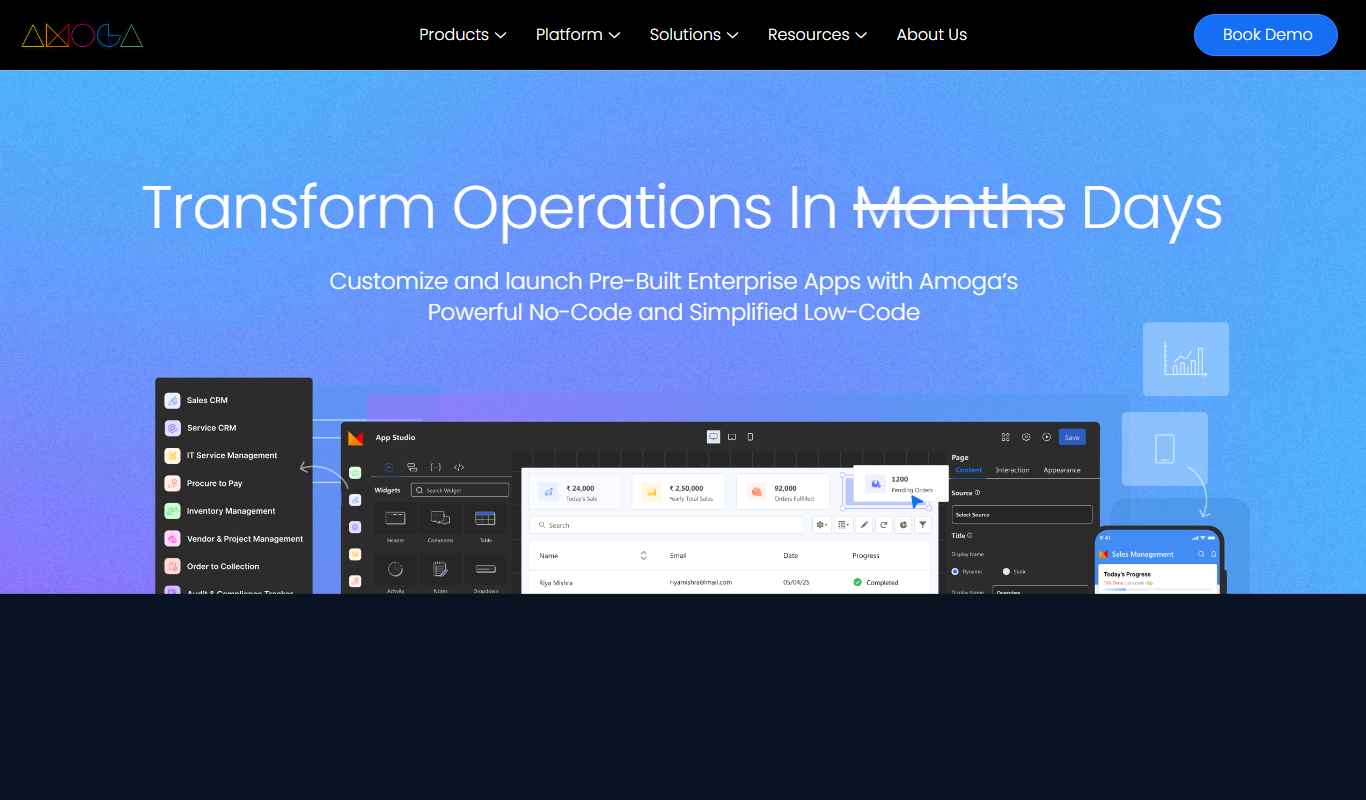
Low-Code Development and AI
Amoga's Low-Code Development and AI platform enables rapid application building with drag-and-drop tools and AI automation, suitable for users with minimal coding skills.

Freemium
Legal Assist AI 2.5
Legal Assist AI 2.5 is an AI legal tool that helps legal professionals draft documents and review contracts.

Freemium
Hookle
Hookle is a social media management platform designed for small businesses to schedule, publish, and analyze posts across multiple social networks from one place.
Custom Pricing
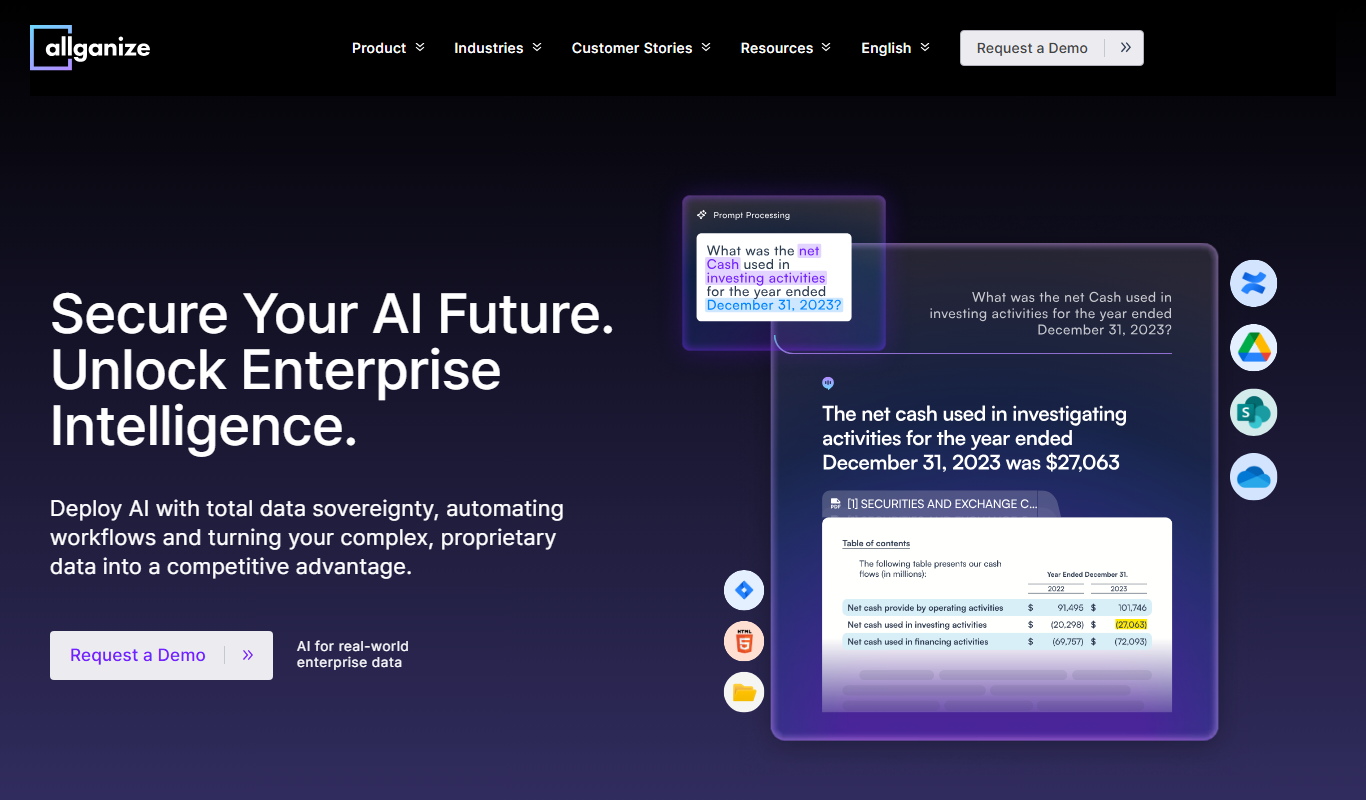
allganize.ai
Allganize.ai is an enterprise AI platform specializing in natural language processing to automate document understanding, semantic search, and customer support through AI chatbots.

Free
Alian hub – Project Management System
AlianHub is an open-source, self-hosted project management platform with boards, sprints, time tracking, chat and AI, free with unlimited users or hosted in the Cloud.
Free Trial
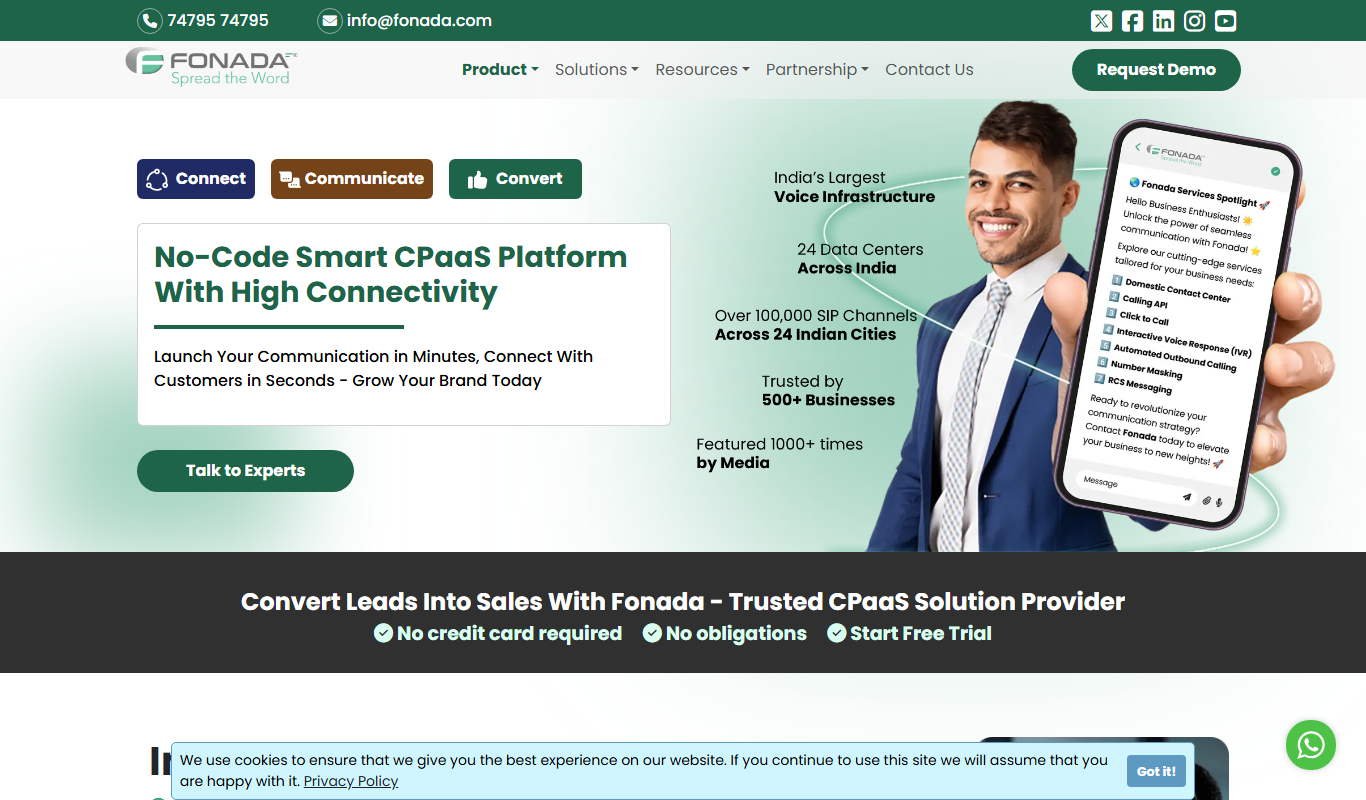
Fonada
Fonada is a CPaaS platform with a VoiceBot, ChatBot and IVR, and its voice bot page announces multilingual support.

Free Trial
SWMS AI
SWMS AI is an AI-driven platform that automates the creation of Safe Work Method Statements, helping construction and high-risk industries quickly produce compliant safety documentation.

Free Trial
Smartlead
Smartlead is an AI-driven sales automation platform that helps businesses automate lead generation, personalized email outreach, follow-ups, and CRM integration to improve sales efficiency.