

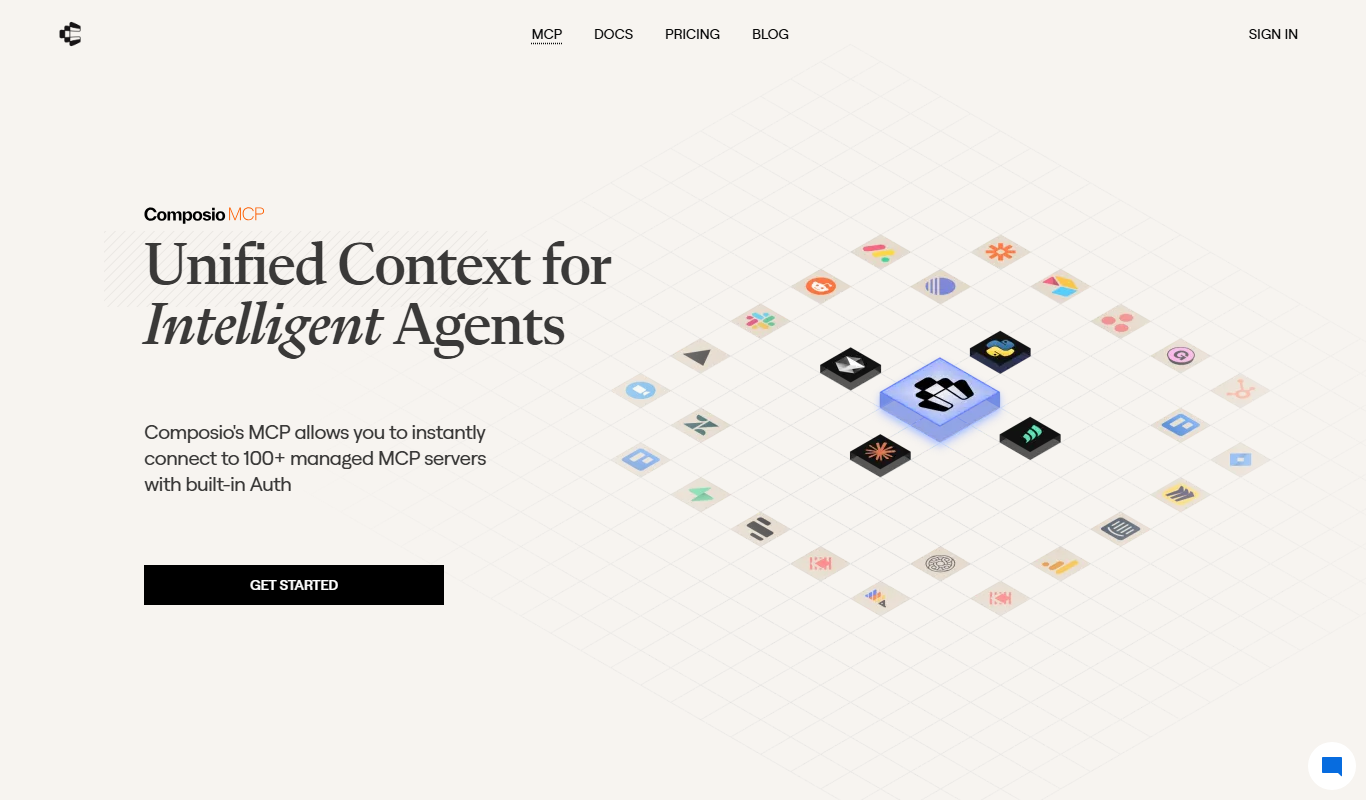
From my experience with Composio MCP, it stands out for its clear focus on modular, scalable application development using microservices principles. The platform’s design encourages building reusable components that can be independently deployed and managed, which is a huge advantage for teams aiming for agility and scalability. I found the integration with container orchestration tools like Kubernetes particularly useful for cloud-native deployments. However, the platform may present a learning curve for developers new to modular architectures, and pricing details beyond the trial require direct contact. Overall, Composio MCP is a solid choice for developers and enterprises looking to adopt a modular cloud approach.
Composio MCP - Modular Cloud Platform for Scalable App Development
Composio MCP is a modular cloud platform that enables developers to build, deploy, and manage scalable applications using independent modules and microservices architecture.
- Best for
- Modular Application Development
- Key capability
- Modular Architecture
Your actions
Do you recommend this tool?
What is Composio MCP?
Composio MCP is a modular cloud platform designed to simplify the development, deployment, and management of scalable applications. It enables developers to build software by composing independent, reusable modules that communicate through APIs, facilitating microservices architecture and cloud-native development.
Key features of Composio MCP
The platform offers modular app composition, microservices orchestration, cloud resource management, and seamless scalability. It supports containerization technologies and provides APIs for integration, enabling rapid development and deployment cycles.
Modular Architecture
Enables building applications from reusable, independent modules for flexibility.
Microservices Support
Facilitates microservices design with API-based communication between modules.
Cloud-Native Deployment
Supports containerization and orchestration tools like Kubernetes for cloud deployment.
API-First Design
Ensures seamless integration and communication between modules and external services.
Scalability and Management
Provides tools for monitoring, scaling, and managing application modules independently.
Pros and cons of Composio MCP
Pros
- Enables flexible modular app development
- Supports modern microservices architecture
- Integrates well with cloud-native tools
- Facilitates rapid prototyping and iteration
- Offers scalable deployment and management
Cons
- Pricing details beyond trial require contact
- May have a learning curve for beginners new to modular design
- Limited language support currently
Key use cases for Composio MCP
Modular Application Development
Build scalable applications by composing independent modules that communicate via APIs.
Microservices Architecture
Design and deploy microservices with ease using Composio MCP’s modular framework.
Cloud Infrastructure Management
Manage cloud resources and services efficiently through an integrated platform.
Rapid Prototyping
Quickly assemble application components to prototype and iterate on product ideas.
Enterprise-Grade Scalability
Scale applications seamlessly to meet growing user demands with modular components.
How Composio MCP works
- 1
Create Modules
Develop independent application modules that encapsulate specific functionality.
- 2
Compose Application
Combine modules using Composio MCP’s platform to form a complete application.
- 3
Deploy to Cloud
Deploy the composed application to cloud infrastructure with built-in orchestration.
- 4
Manage and Scale
Monitor application performance and scale modules individually as needed.
Who is using Composio MCP
Software developers
Cloud architects
Startups building scalable apps
Enterprises adopting microservices
DevOps teams managing cloud infrastructure
Composio MCP pricing
Free Trial
$0 for 14 days
Access to core features for evaluation and prototyping.
Professional
$49/month
Full platform access with moderate usage limits and support.
Enterprise
Custom pricing
Tailored solutions with advanced features, higher limits, and dedicated support.
Plans and prices are as published by the vendor and can change. Check the official site before you buy. Open the pricing page (opens in a new tab)
Frequently asked questions about Composio MCP
It is used to build modular, scalable applications using a cloud-native platform that supports microservices architecture.
Yes, it integrates with Kubernetes and Docker for container orchestration and deployment.
Yes, there is a free 14-day trial available to evaluate the platform.
Yes, it offers enterprise-grade scalability and custom pricing plans for large organizations.
Yes, it can help with that use case depending on how you configure it and what features are available. You’ll get the best results with clear inputs and a defined goal.
Some tools offer a free plan or trial with limited features. Availability can vary, so confirm on the official website.
Yes, it can help with that use case depending on how you configure it and what features are available. You’ll get the best results with clear inputs and a defined goal.
Sign in to review this tool.
Sign In to ReviewNo reviews yet
Be the first to share how this tool worked for you.
Ask about pricing, limits, or how it compares — or answer someone else.
Sign In to AskNo questions yet
Have a question about using or paying for this tool? Be the first to ask.
Featured on TiorAI



More AI Large Language Models Tools tools
Other tools in the same category, for when this one is not quite the fit.

Free
LLM Playground
LLM Playground is a free, web-based tool that lets users interactively test and compare outputs from multiple large language models such as OpenAI GPT and Hugging Face models without coding.

Free
Online Llama 3.1 405B Chat
Online Llama 3.1 405B Chat is a free web-based chatbot powered by a 405 billion parameter LLaMA 3.1 language model, enabling advanced conversational AI interactions.

Contact Sales
Featherless LLM
Featherless LLM is a platform that enables businesses to fine-tune, deploy, and manage custom large language models via scalable infrastructure and API access.
Contact for pricing
LLMWare
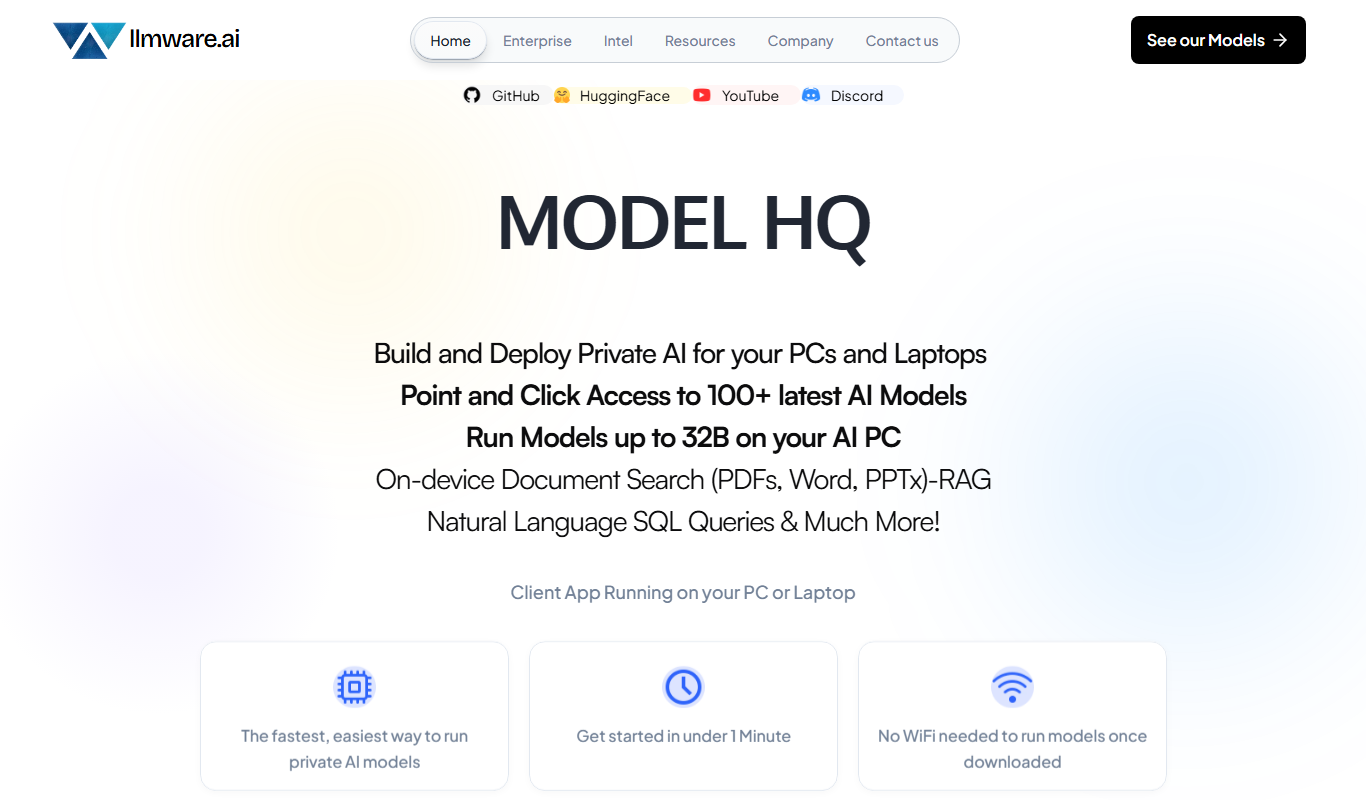
LLMWare is an AI platform that enables enterprises to deploy, manage, and scale large language models securely with flexible infrastructure and integration options.

Free
LLMArena
LLMArena is a free web platform that benchmarks and compares large language models on various tasks to help researchers and developers evaluate AI capabilities.

Free
Rival
Rival is a web platform offering real-time esports statistics, analytics, and betting tips to support informed decisions in esports betting and competitive gaming.
Free Trial
Cortex Click
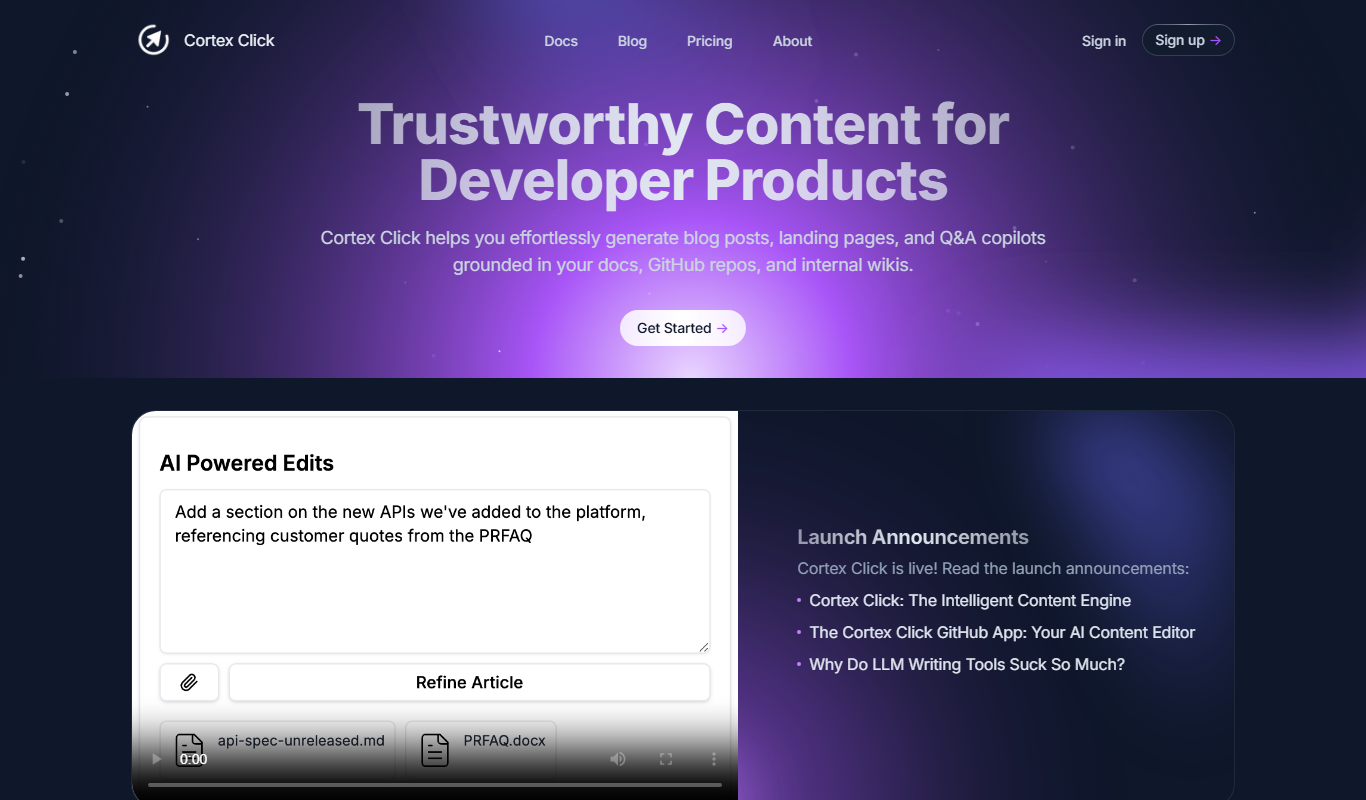
Cortex Click is an AI-driven content optimization tool that helps marketers improve SEO by analyzing content and providing keyword and structural recommendations.

Freemium
Lensgo
Lensgo is an AI-driven video creation tool that automates script writing, voiceover generation, and video editing to help marketers and content creators produce videos efficiently.