

From my experience with Applio, I found it excels at providing a transparent and flexible open source platform for deploying and managing AI models using container technologies. Its integration with Kubernetes makes scaling AI workloads practical for organizations with technical expertise. However, the platform requires users to be comfortable with containerization and infrastructure management, as it does not offer managed hosting. Overall, if you need a customizable, self-hosted AI deployment solution with strong versioning and monitoring capabilities, Applio delivers a robust foundation.
Applio Open Source AI Platform for Custom Model Deployment and Management
Applio is an open source platform designed for deploying, managing, and scaling containerized AI models with Kubernetes support, offering APIs, monitoring, and version control.
- Best for
- Custom AI Model Deployment
- Key capability
- Open Source Platform
Your actions
Save Applio, follow its updates and vote on it — everything stays in your account.
Sign in or create a free account

What is Applio?
Applio is an open source AI platform designed to facilitate the deployment, management, and scaling of custom AI and machine learning models. It provides a flexible infrastructure that supports containerized applications, enabling developers and enterprises to integrate AI solutions seamlessly into their workflows. The platform emphasizes transparency, collaboration, and control over AI models, making it suitable for organizations seeking customizable and secure AI deployment options.
Key features of Applio
Applio offers features such as container-based model deployment, API integration, model versioning, monitoring dashboards, and support for Kubernetes orchestration. Its open source nature allows users to customize and extend the platform according to their specific AI project requirements.
Open Source Platform
Fully open source, allowing complete transparency and customization.
Container-Based Deployment
Supports Docker containers for easy packaging and deployment of AI models.
Kubernetes Integration
Seamless orchestration and scaling of AI workloads using Kubernetes.
API Access
Provides RESTful APIs to integrate deployed models into external applications.
Model Versioning and Monitoring
Track different model versions and monitor their performance in real time.
Pros and cons of Applio
Pros
- Fully open source with no licensing costs
- Supports containerized AI model deployment
- Integrates well with Kubernetes for scaling
- Provides API access for easy integration
- Includes model versioning and monitoring
Cons
- Requires technical expertise to self-host and manage
- No managed cloud hosting option available
- Limited to users comfortable with container and Kubernetes technologies
Key use cases for Applio
Custom AI Model Deployment
Deploy and manage custom AI and machine learning models in a scalable and secure environment.
Open Source AI Development
Leverage an open source platform to build, test, and iterate AI models collaboratively.
Enterprise AI Integration
Integrate AI models into enterprise workflows with flexible APIs and container orchestration.
AI Model Monitoring and Management
Monitor model performance and manage lifecycle with built-in tools for versioning and updates.
How Applio works
- 1
Clone the Repository
Start by cloning the Applio open source repository from GitHub to your local environment.
- 2
Containerize Your Model
Package your AI or machine learning model into a Docker container compatible with Applio.
- 3
Deploy via Kubernetes or Docker
Use Applio’s deployment scripts to launch your containerized model on Kubernetes or Docker.
- 4
Manage and Monitor
Access the web interface to monitor model performance, manage versions, and update deployments.
Who is using Applio
AI developers and data scientists
Enterprises with in-house AI teams
Open source enthusiasts
Organizations needing customizable AI deployment
DevOps teams managing AI infrastructure
Applio pricing
Free
$0
Open source platform available for self-hosting without licensing fees.
Plans and prices are as published by the vendor and can change. Check the official site before you buy. Open the pricing page (opens in a new tab)
Frequently asked questions about Applio
Yes, Applio is an open source platform available for free under its license.
Applio primarily supports Python-based AI models but can deploy any containerized model.
No, Applio is self-hosted; users deploy it on their own infrastructure or cloud providers.
Yes, it includes monitoring tools to track model metrics and health.
This tool is designed to help users accomplish its core tasks more efficiently. It is typically used by individuals or teams looking to improve productivity and workflow.
Some tools offer a free plan or trial with limited features. Availability can vary, so confirm on the official website.
It depends on your specific needs and how you plan to use the tool. The official website and documentation are the best sources for the latest details.
Yes, it can help with that use case depending on how you configure it and what features are available. You’ll get the best results with clear inputs and a defined goal.
Sign in to review this tool.
Sign In to ReviewNo reviews yet
Be the first to share how this tool worked for you.
Ask about pricing, limits, or how it compares — or answer someone else.
Sign In to AskNo questions yet
Have a question about using or paying for this tool? Be the first to ask.
Featured on TiorAI



Alternative Tools
Explore similar AI tools that might fit your needs

Free
Kubeflow
Kubeflow is an open source machine learning platform that enables building, deploying, and managing scalable ML workflows on Kubernetes clusters.

Free
MLflow
MLflow is an open source platform that manages the machine learning lifecycle by providing tools for experiment tracking, model packaging, registry, and deployment.
More AI Ai Tools tools
Other tools in the same category, for when this one is not quite the fit.

Free
Pogo Travel
Pogo Travel is an AI-driven platform that generates personalized travel itineraries based on your preferences, travel dates, and interests, offering collaborative planning and offline access.
Freemium
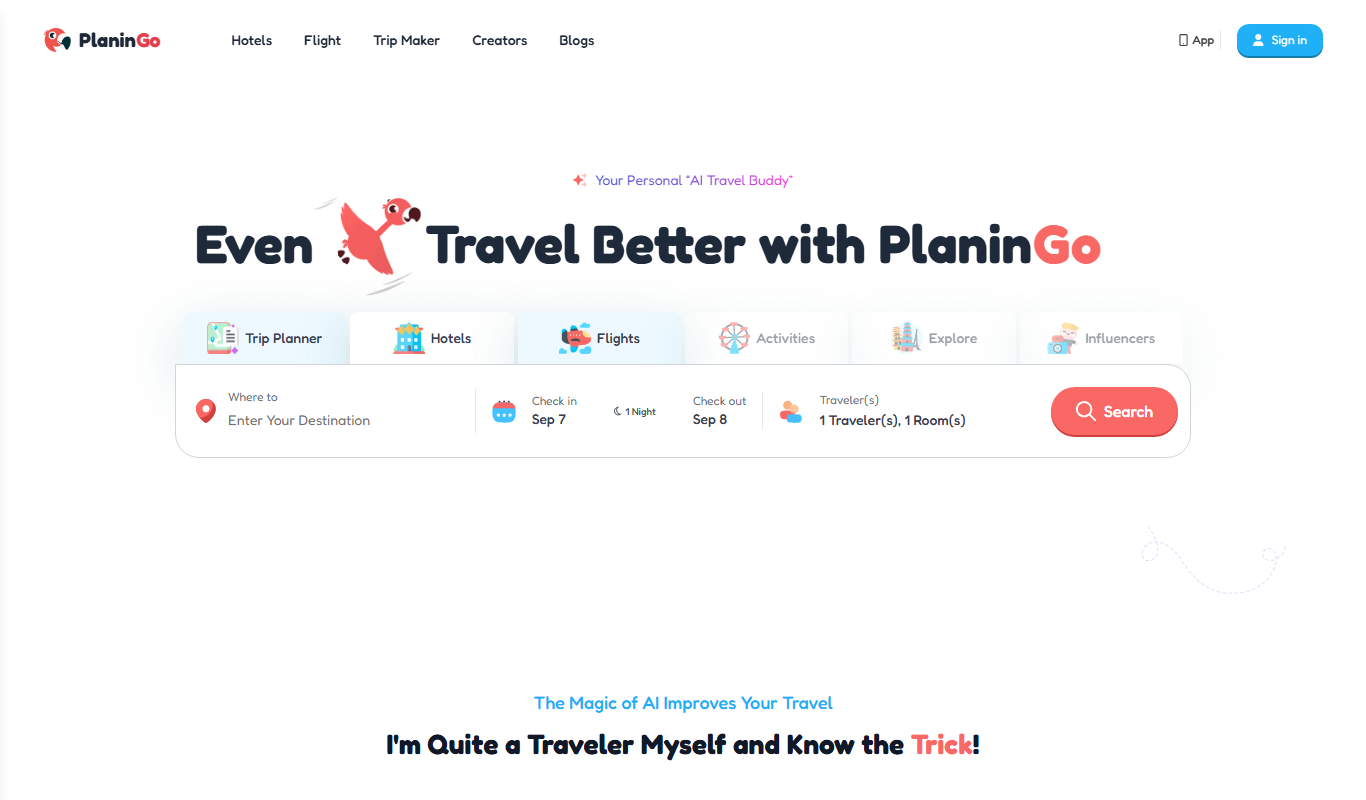
PlaninGo
PlaninGo is an AI travel planning tool that generates personalized trip itineraries and guides based on your preferences, helping you plan efficient and enjoyable trips.

Freemium
TravelBot AI Travel Assistant
TravelBot AI Travel Assistant is a web-based platform that uses artificial intelligence to help users create personalized travel itineraries, book flights and hotels, and receive tailored travel recommendations based on preferences and budget.

Free
AIJOURNEY
AIJOURNEY is an AI-driven career development tool that provides personalized career path recommendations, identifies skill gaps, and offers curated learning resources to help users advance professionally.

Free Trial
AI VYX
AI VYX is an AI-driven video creation platform that automates script generation and video assembly to help marketers and content creators produce professional videos quickly and easily.

Free
Webo.AI
Webo.AI is an AI-powered no-code website builder that automates website design and content creation, enabling users to launch responsive websites quickly without coding skills.

Freemium
Langtail
Langtail is an AI-driven translation platform that automates multilingual content management through machine learning, API integration, and collaborative editing features.
Freemium
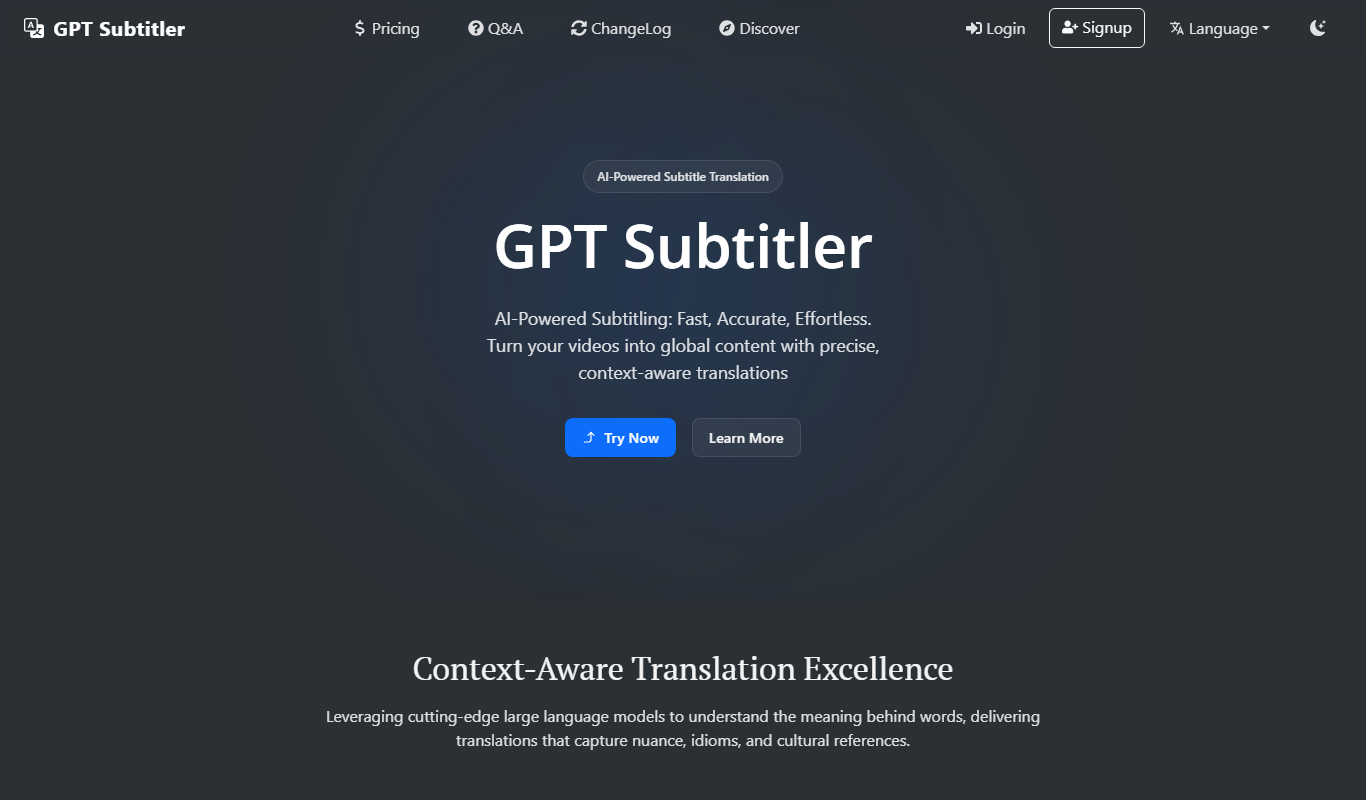
GPT Subtitler
GPT Subtitler is an AI-based tool that automatically generates synchronized subtitles for videos, enabling quick and accurate captioning to improve accessibility and engagement.