What Is Semantic Search?
Semantic search goes beyond traditional keyword matching by understanding the relationships between words, user intent, search context, and underlying concepts. Instead of relying solely on exact keyword matches, it uses natural language processing (NLP), machine learning, and entity recognition to interpret what a user actually means. This leads to more meaningful and personalized search results across websites, search engines, and AI-driven platforms.
Why Is Semantic Search Important?
Semantic search is essential because it improves how users find information, enhances the relevance of search results, and aligns with modern search engine algorithms that prioritize intent and context over simple keyword strings.
- It helps websites rank for broader, intent-driven queries rather than relying on exact-match keywords.
- It enhances user experience by providing more accurate, contextually appropriate answers.
- It supports voice search, conversational AI, and other natural-language-based technologies.
Key Characteristics of Semantic Search
- Intent Understanding: Recognizes what the user truly wants, even when the query is vague or conversational.
- Context Awareness: Factors in search history, location, or linguistic patterns to refine results.
- Entity and Relationship Mapping: Identifies people, places, things, and their connections to interpret concepts rather than just keywords.
How Semantic Search Works (Step-by-Step)
- A user enters a query, often in natural or conversational language.
- The system analyzes the query using NLP, entity recognition, and machine learning models to interpret intent and contextual meaning.
- The search engine retrieves and ranks content based on semantic relevance, not just keyword similarity.
Real-World Examples of Semantic Search
- Google’s Knowledge Graph: Enhances search results by connecting entities such as brands, people, products, and concepts to deliver richer and more accurate answers.
- E-commerce Search Engines: Retailers use semantic search to interpret product-related queries, improving product discovery and reducing zero-result searches.
Semantic Search in SEO, Marketing, or Business Context
In SEO and digital marketing, semantic search shifts focus from exact-match keywords to topic authority, user intent alignment, and high-quality, context-rich content. Businesses that invest in semantic optimization—through structured data, topic clustering, and conversational content—can significantly improve organic visibility and conversion rates across digital channels.
Common Mistakes or Misunderstandings About Semantic Search
- Believing that keywords no longer matter; in reality, they still guide relevance but must support intent-focused content.
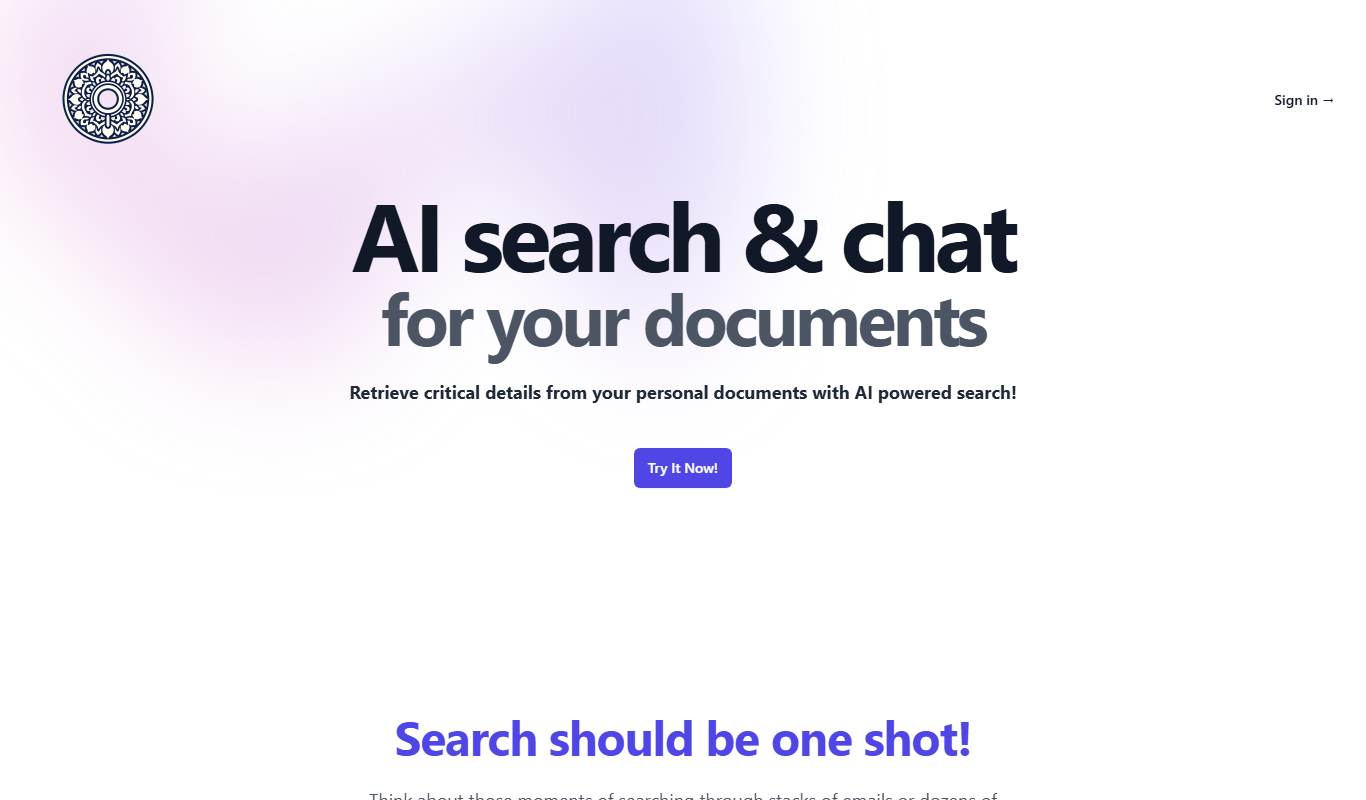
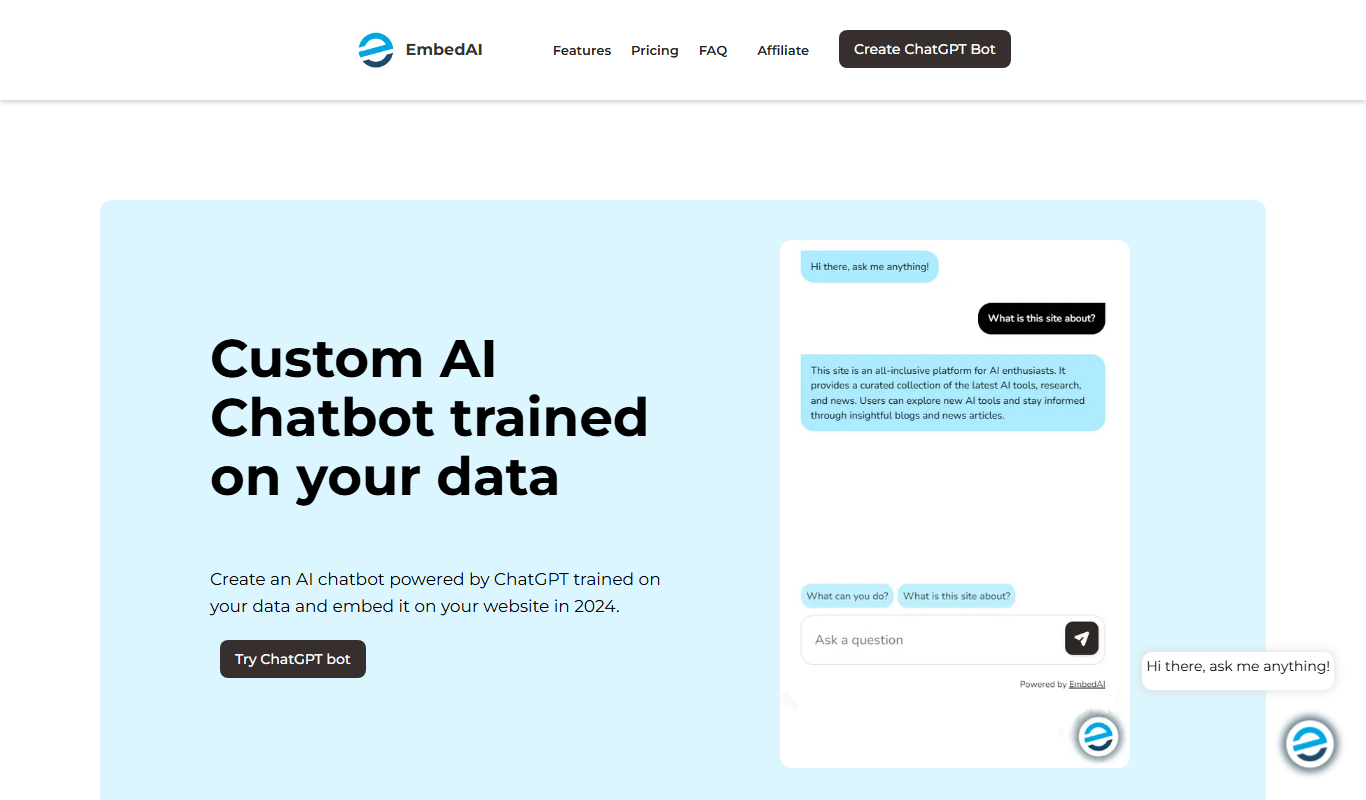
- Assuming semantic search is only for search engines, when it also powers internal search, chatbots, and recommendation systems.
Related Terms
- Natural Language Processing (NLP)
- Knowledge Graph
- Search Intent
FAQs About Semantic Search
No. Keywords still matter, but semantic search requires optimizing for broader topics, user intent, and contextual depth rather than relying solely on matching phrases.
Websites can use structured data, build topical authority, include conversational phrasing, and create content that answers user questions comprehensively.
Summary
Semantic search transforms how information is retrieved by focusing on meaning and intent rather than simple keyword matching. For SEO professionals and businesses, it emphasizes creating content that truly serves users, supports natural language interactions, and aligns with modern search engine algorithms. Adapting to semantic search leads to better visibility, improved user experience, and stronger digital performance.