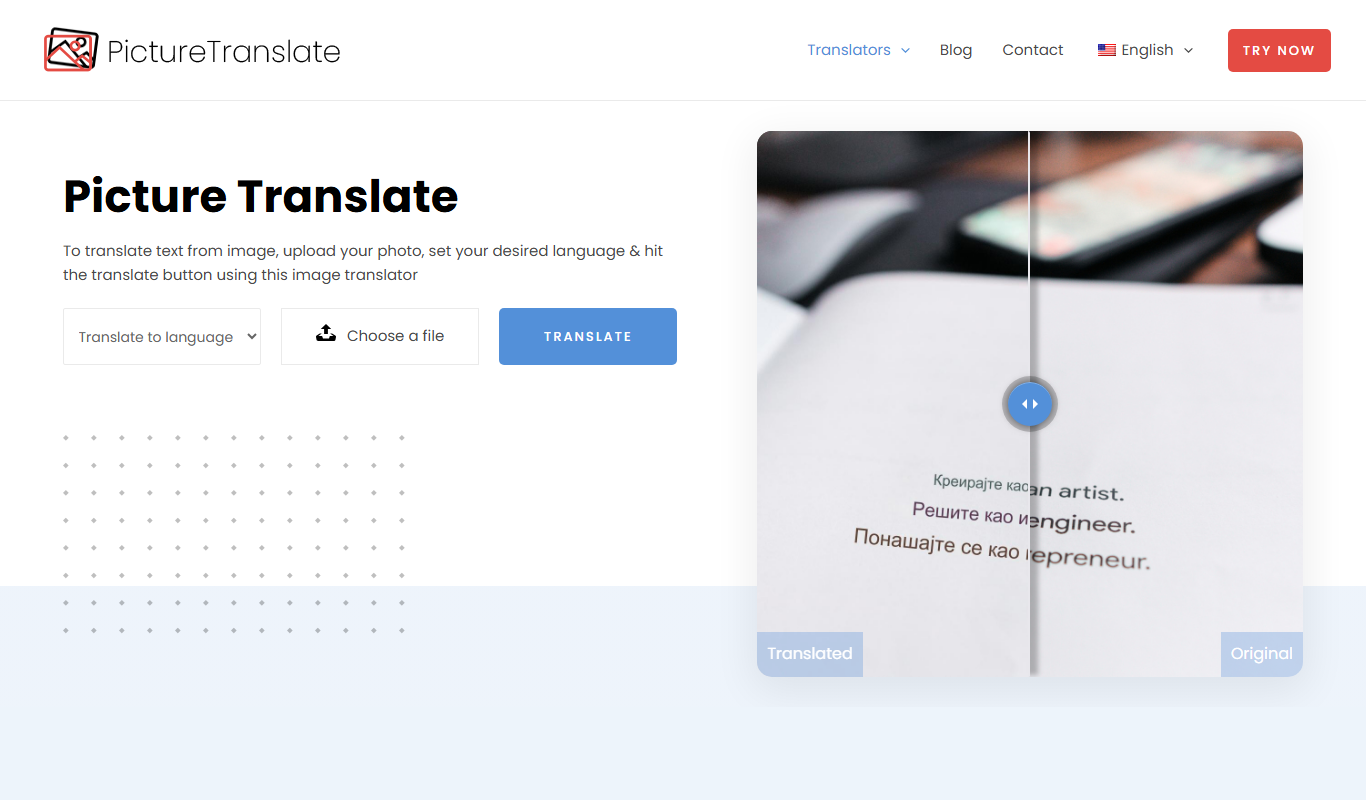
What Is Machine Translation?
Machine Translation (MT) refers to the use of software to translate text or speech from one language to another without human intervention. This technology employs complex algorithms and vast databases to interpret and convert languages, aiming to preserve the original meaning and context. While early versions relied heavily on rule-based systems, modern MT often utilizes neural networks and machine learning to improve accuracy and fluency.
Why Is Machine Translation Important?
Machine Translation is vital for breaking down language barriers in a globally connected world, facilitating communication, commerce, and information exchange.
- Enables real-time communication across different languages.
- Reduces costs associated with professional human translation.
- Supports global business expansion and localization strategies.
Key Characteristics of Machine Translation
- Speed: MT can process large volumes of text quickly, providing almost instantaneous translations.
- Scalability: It can handle multiple languages and vast amounts of data, making it suitable for diverse applications.
- Continuous Improvement: Modern MT systems improve over time through machine learning by analyzing user feedback and new data.
How Machine Translation Works (Step-by-Step)
- Text input is received in the source language.
- The MT system analyzes the text using algorithms and language models.
- The translated output is generated in the target language.
Real-World Examples of Machine Translation
- Google Translate: A widely-used MT service that provides translations across numerous languages with additional features like speech translation.
- Microsoft Translator: A tool offering translation services integrated with Microsoft Office and other applications.
Machine Translation in SEO, Marketing, or Business Context
In SEO and marketing, Machine Translation enables companies to reach non-native speaking audiences by localizing content, thus improving user experience and engagement. It plays a crucial role in creating multilingual websites, global marketing campaigns, and customer support services, ensuring consistent brand messaging across languages.
Common Mistakes or Misunderstandings About Machine Translation
- Assuming MT can fully replace human translators for nuanced texts like literature.
- Overlooking the need for post-editing to ensure cultural accuracy and fluency.
Related Terms
- Natural Language Processing
- Translation Memory
- Localization
FAQs About Machine Translation
The accuracy of MT varies by language pair and complexity of the text, often requiring human review for critical content.
While MT has improved, idiomatic expressions can still pose challenges and may require human intervention to ensure correct interpretation.
Summary
Machine Translation is a transformative technology that automates language conversion, making it a critical tool in global communication and commerce. Though not a complete substitute for human expertise, it significantly augments translation capabilities, supporting international engagement and linguistic accessibility.