What Is Digital Art?
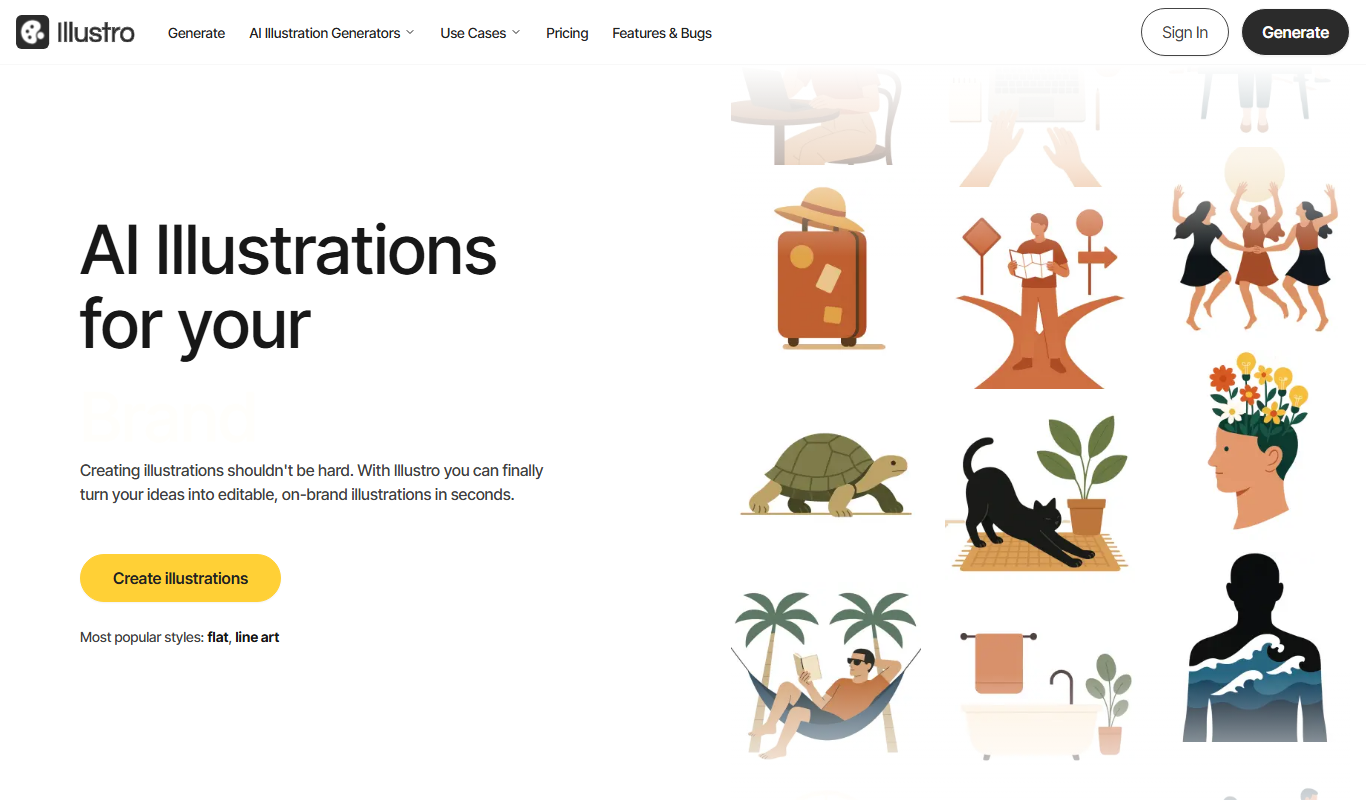
Digital Art refers to creative works produced with the help of digital devices and software. Unlike traditional art forms like painting or drawing on paper, digital artists use tools such as graphic tablets, styluses, and programs like Adobe Photoshop or Procreate to craft images. This form of art can range from digital paintings and illustrations to 3D models and animations. It blends creativity with technology, offering artists new possibilities to experiment, edit, and share their work instantly.
Why Is Digital Art Important?
Digital Art plays a crucial role in modern creative industries by enabling faster production, easier editing, and broad distribution. It supports innovation in fields like advertising, video games, film, and web design, making it an essential skill for digital marketers and content creators. Moreover, digital art democratizes creativity, allowing artists worldwide to showcase their work without traditional gallery barriers.
- Enhances creative flexibility and precision through digital tools.
- Enables efficient collaboration and modifications.
- Expands reach via online platforms and digital media.
Key Characteristics of Digital Art
- Digital Medium: Created using software and hardware rather than physical materials.
- Editable and Scalable: Artists can easily modify or resize their work without quality loss.
- Multimedia Integration: Often combines images, sound, animation, and interactivity.
How Digital Art Works (Step-by-Step)
- Conceptualize the artwork and choose appropriate digital tools or software.
- Create or import graphic elements using digital drawing, painting, or modeling techniques.
- Edit, refine, and finalize the artwork before exporting it in desired digital formats.
Real-World Examples of Digital Art
- Video Game Design: Characters and environments created digitally to build immersive experiences.
- Digital Marketing Content: Eye-catching illustrations and animations used in social media campaigns and advertisements.
Digital Art in SEO, Marketing, or Business Context
In marketing and business, digital art enhances brand storytelling by delivering visually compelling content that captures audience attention. It supports SEO strategies by creating unique images and graphics that improve user engagement and reduce bounce rates. Furthermore, digital art enables the production of interactive web elements, boosting website usability and conversion rates.
Common Mistakes or Misunderstandings About Digital Art
- Assuming digital art is easier than traditional art without mastering the required skills.
- Overlooking file optimization, which can affect website speed and SEO performance.
Related Terms
- Graphic Design
- Computer Graphics
- Digital Illustration
FAQs About Digital Art
Digital artists often use graphic tablets, styluses, and software like Adobe Photoshop, Illustrator, or Procreate.
It creates engaging visuals that attract and retain audience attention, improving brand visibility and interaction.
Summary
Digital Art merges creativity and technology to produce versatile, editable, and shareable artworks. It plays a vital role in modern digital marketing and content creation by enhancing visual appeal and audience engagement. Understanding its tools, characteristics, and applications empowers professionals to leverage digital art effectively in their strategies.